Homeschooling and Sensory Regulation: Understanding Proprioception in Daily Life
Homeschool parents face a constant balancing act – tending not just to academics, but to each child’s self-regulation, sensory processing needs, emotional health, and development. These overlapping layers often create tension: how do we support our children’s bodies as they are, while nurturing real growth in self-regulation and participation?
Occupational therapy teaches us that sensory behavior is not simply “acting out” or “getting energy out.” It is often a child’s nervous system trying to regulate itself in real time. This episode centers on proprioception – a “quiet” sense that organizes movement, attention, and emotional regulation throughout the day.
Why Some Homeschool Kids Can’t Sit Still: Understanding Proprioception-
Proprioception is sensory input from the muscles and joints that helps the brain understand pressure, force, and effort in the body.
The American Occupational Therapy Association describes proprioception as the sense that tells us where our body parts are without needing to look, using receptors in the muscles, joints, and tendons that respond to compression, stretching, and pressure.
This system allows a child to:
• hold a pencil without snapping it
• climb safely
• use the right amount of strength when lifting objects
• move their body smoothly through space
But proprioception does something even more important.
It is often the most organizing and calming sensory input for the nervous system.
As I explain in this episode:
“Deep input through the muscles and joints is incredibly organizing and grounding for the nervous system.”
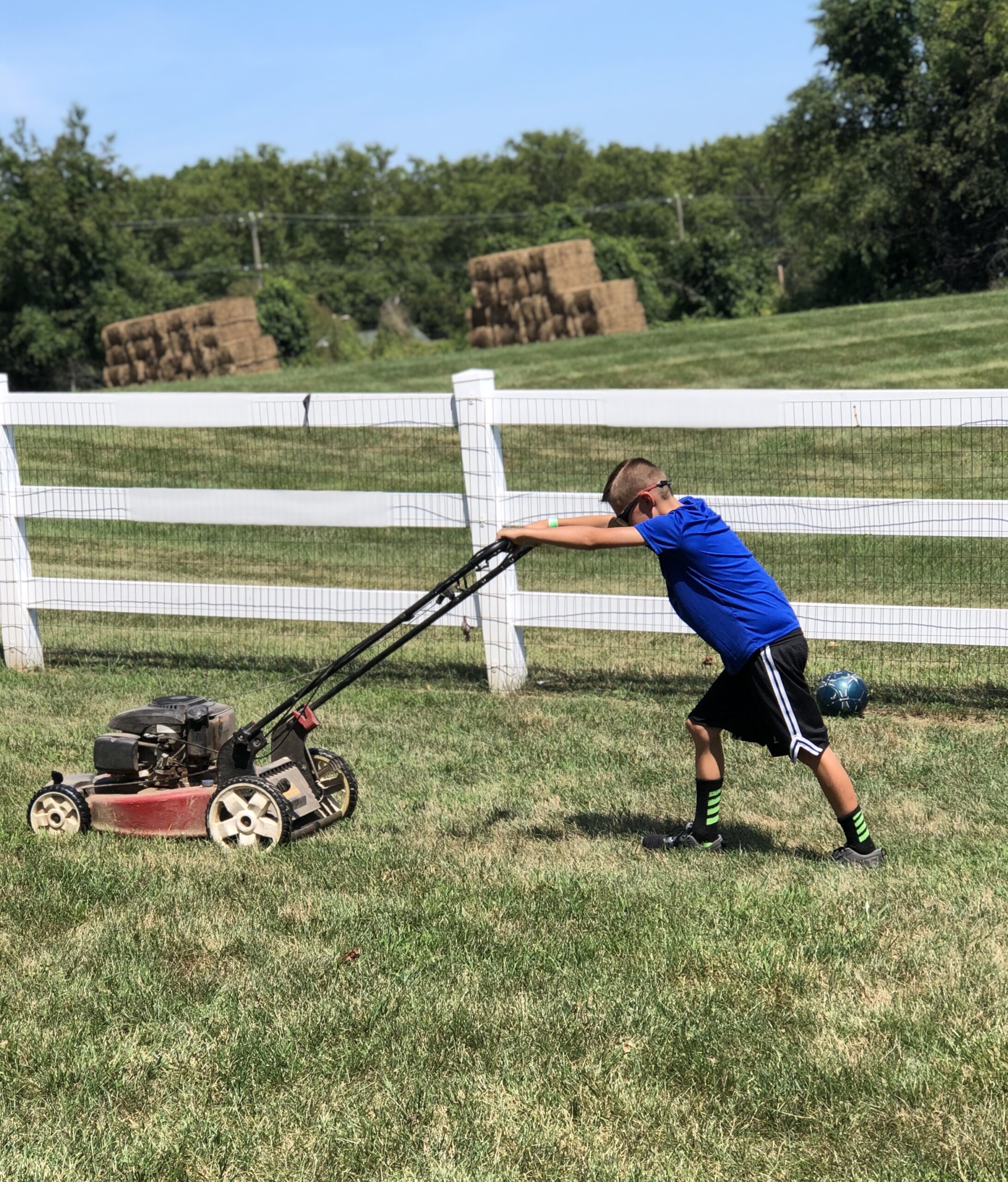
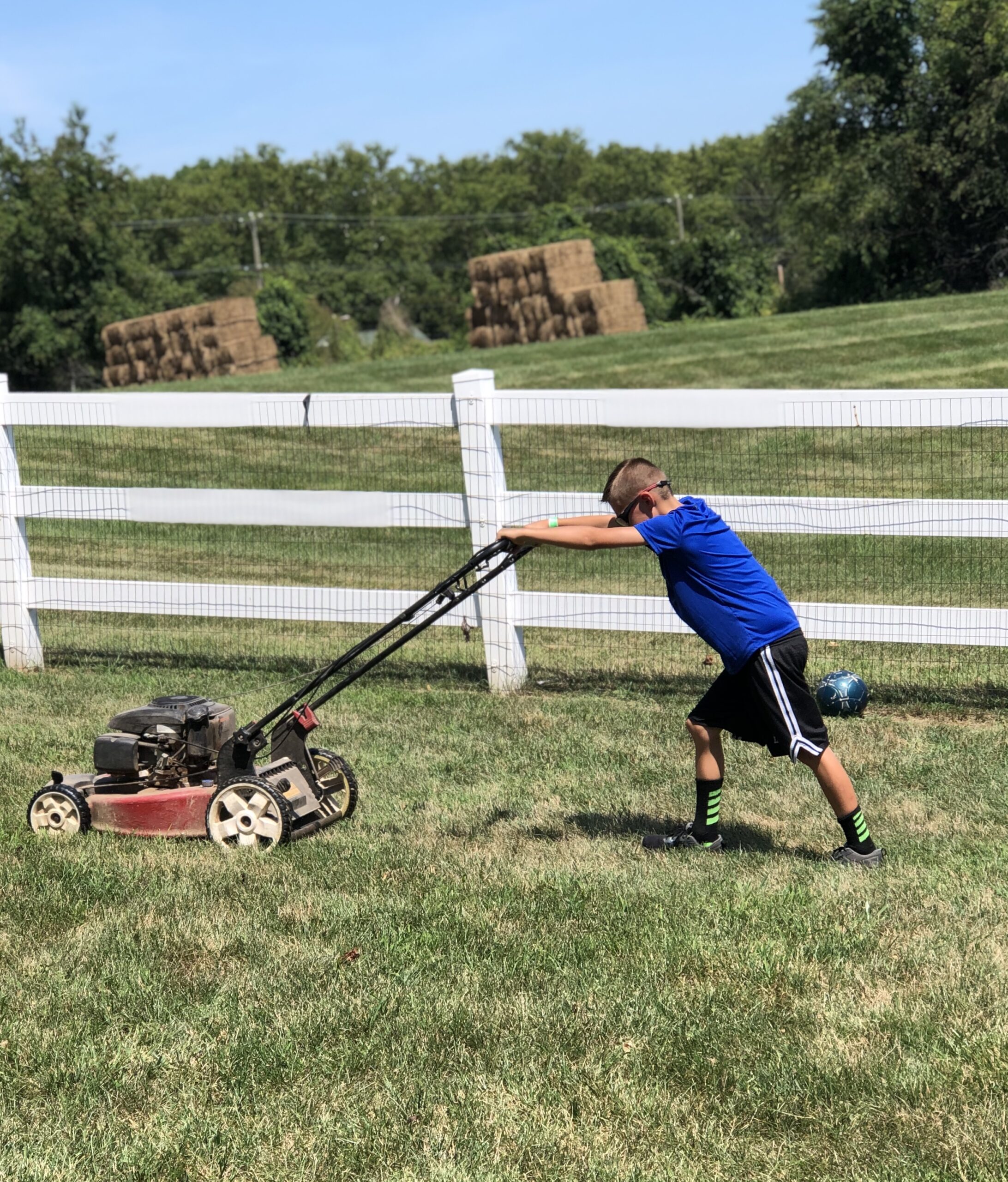
Activities that involve pushing, pulling, lifting, climbing, or squeezing provide strong proprioceptive input that helps the brain regulate itself.
Why Regulation Comes Before Learning
One of the biggest misunderstandings parents face is believing that children must first sit still in order to learn.
Occupational therapy teaches the opposite.
A regulated body enables focus, attention, and participation.
When a child’s nervous system is dysregulated, the brain is busy trying to stabilize itself. That effort pulls energy away from the cognitive processes required for learning.
In homeschooling environments, this often shows up during transitions or seated learning time.
Parents may notice a child who:
• cannot stay seated during reading
• fidgets constantly
• chews on objects or clothing
• crashes into furniture or pillows
• repeatedly gets up from the table
Instead of viewing these behaviors as distractions, the OT perspective asks a different question:
What sensory input is the nervous system asking for?
How Proprioception Supports a Homeschool Day
Proprioceptive input works best when it becomes part of normal routines rather than emergency fixes.
For homeschool families, this can look surprisingly simple.
Morning Regulation
Before academic work begins, children can benefit from activities that provide resistance and deep input.
Examples include:
• carrying laundry baskets
• unloading groceries
• pushing chairs into place
• animal walks or wall push-ups
These activities help the body feel grounded before cognitive demands increase.These routines are not escapes from learning. They acknowledge that self-regulation scaffolds attention and engagement. Homeschooling’s flexibility allows families to meet sensory and developmental needs so that calm participation is possible, regardless of the setting.
Learning Blocks
If a child struggles during reading or writing tasks, small adjustments can help regulate the body.
Instead of requiring traditional desk seating, homeschool environments allow flexibility.
Parents might try:
• ensuring feet touch the floor for grounding
• working on steps or the couch with pillows for pressure
• listening to audiobooks while walking
• brief trampoline breaks between tasks
These strategies are not escapes from learning.
They are supports that make learning possible.
Transitions
Transitions often trigger dysregulation.
Short bursts of heavy work—carrying books, pushing against a wall, pulling resistance bands—can help reset the nervous system before the next activity begins.
Supporting Parents: Acceptance and Expectation
Children do not “grow out” of sensory needs; they grow into advocating for and meeting them in new ways. Scaffolding independence means seeing a child’s needs accurately, building routines that offer the right type of input, and gradually inviting independence as skills develop. When parents respond to sensory behaviors with support instead of correction, children develop not just regulatory strategies but the emotional resilience needed for life.
If you are unsure how to integrate these supports, OT-informed coaching can help you identify regulatory needs, build routines fitting your family’s real life, and scaffold growth without overwhelm.
Takeaway for Homeschool Families
Regulation is the foundation that scaffolds learning, attention, and participation. Intentional proprioceptive input is not a trick or a quick fix: it is a developmental support for everyday life.
This week, notice:
- Where does your child naturally seek deep movement or pressure?
- Is there a realistic way to offer structured proprioceptive input at those times?
- How can you scaffold self-awareness so that, over time, your child begins to advocate for what helps their own regulation?
Slow, intentional routines, paired with acceptance and clear expectations, support both regulation and growth.

OT is IN #90: When Kids Can’t Sit Still: Understanding What Their Bodies Are Telling You
If you’ve ever noticed your child running, climbing, or crashing into things and wondered why movement seems to settle them rather than wind them up, this episode will get you thinking differently about what’s driving that behavior.
Today we’re digging into proprioception—the often-overlooked sense that helps your child feel grounded, focused, and safe in their body. In the homeschool environment, you have the flexibility to adapt routines and learning spaces, but it can be hard to tell the difference between excess energy and your child’s genuine need for sensory input.
We’ll unpack what proprioception really is, how it organizes both behavior and attention, and the subtle ways it shows up throughout your day—from breakfast routines to transitions and mealtimes. You’ll learn why supporting this sense on purpose makes academic tasks easier and reduces power struggles—especially for children who struggle to sit still, stay on task, or manage big feelings.
In this episode you’ll hear about:
- Clear definition of Proprioception (with reference to the American Occupational Therapy Association – AOTA)
- Explanation of how proprioception works (muscles, joints, tendons, pressure, compression, stretching)
- Importance in everyday activities (e.g., holding objects, navigating steps, estimating force)
- Contrasting Proprioception and Vestibular System
- Definition and function of the vestibular system (AOTA reference)
- How vestibular is the body’s “GPS for movement”
- Key differences and interplay between the two systems
- Practical Example: Tree Climbing
- Breakdown of how both sensory systems work during tree climbing
- Proprioceptive roles (grip, force, balance, stability)
- Vestibular roles (detecting upward movement, changes in balance/orientation)
- The Impact of Proprioceptive Input
- Deep muscle/joint input as calming and organizing
- Why activities like tree climbing can regulate the nervous system
- Practical Guidance for Parents & Families
- Recognizing when children seek proprioceptive input (climbing, crashing, running)
- Rethinking discipline: supporting regulation needs vs. correcting behaviors
- Integrating Proprioception into the Day
- Morning routines and the benefits of early proprioceptive input
- Practical sensory activities (carrying, pushing, wall push-ups, chair push-downs, resistance bands)
- Improved transitions to academic work
- Proprioception Around Mealtimes
- Addressing challenges like movement/chewing at meals
- Strategies: involving kids in food prep, offering chewy/crunchy foods for oral input
- Outcomes: better postural stability and engagement
- Using Proprioception for Smoother Transitions
- Why transitions are dysregulating
- Incorporating start-and-stop proprioceptive activities (e.g., obstacle courses, “mommy races”)
- Group activities and teamwork (e.g., carrying bins, holding doors)
- Supporting Learning and Attention
- Importance of body regulation for sustained attention
- Assessing physical supports (e.g., foot support, alternative seating)
- Flexible learning setups in homeschooling (e.g., steps, couch, pillows, movement breaks)
Links and Resources From Today’s Show
- Download The Sensory Activities Guide Here
- Why Should I Seek Occupational Therapy?
- Connect with Sarah Collins on IG
- The Homeschool OT Teachers Pay Teachers
- How Sensory Processing Issues Affect Kids In School
- Implications of Sensory Processing and Attentional Differences Associated With Autism in Academic Settings: An Integrative Review
- Check Out Our Title Sponsor CTC Math
- CTC Math Free Trial
- Episode 8: Beyond the Pencil: Exploring Vision’s Impact on Homeschool Handwriting Success
- Episode 13: Beyond the Five Senses: Understanding Your Child’s Interoceptive World with Cara Kosinski
- Episode 23: Blending Sensory Integration and Fitness for Better Handwriting
- Episode 29: Parenting with Co-Regulation
- Episode 61: Mindful Moments: Supporting Focus and Calm in Children
- Episode 72: Navigating Sensory Needs and Sibling Dynamics in Homeschooling
- Episode 75: Building Lifelong Healthy Habits One Simple Step at a Time: Encouragement for Homeschool Families
- Episode 81: Navigating Social Pressures, Masking, and Expectations
Thank you to our title sponsor for this episode, CTC Math. You can check out their FREE trial here.