
Navigating Sensory Needs and Sibling Dynamics in Homeschooling
Many homeschooling parents know the feeling: you’ve meticulously planned a lesson, set up your space, and then reality swiftly breezes in with the bustle and energy that only a houseful of unique children can bring. If you’re picturing focused kids quietly working in harmony, you may be picturing a room quite different from the one described in our recent podcast episode with Sarah Collins, Annabelle Collins, and Kaleb Collins.
Our family journey, like so many others, has involved adapting, reflecting, and sometimes just making it through the “organized chaos.” In this episode, Annabelle and Kaleb (siblings homeschooled for the past nine years) joined me to reflect on what has worked—and what hasn’t—when it comes to sensory needs, relationships, and learning differences in a homeschool environment.
Valuing Differences and Finding Balance
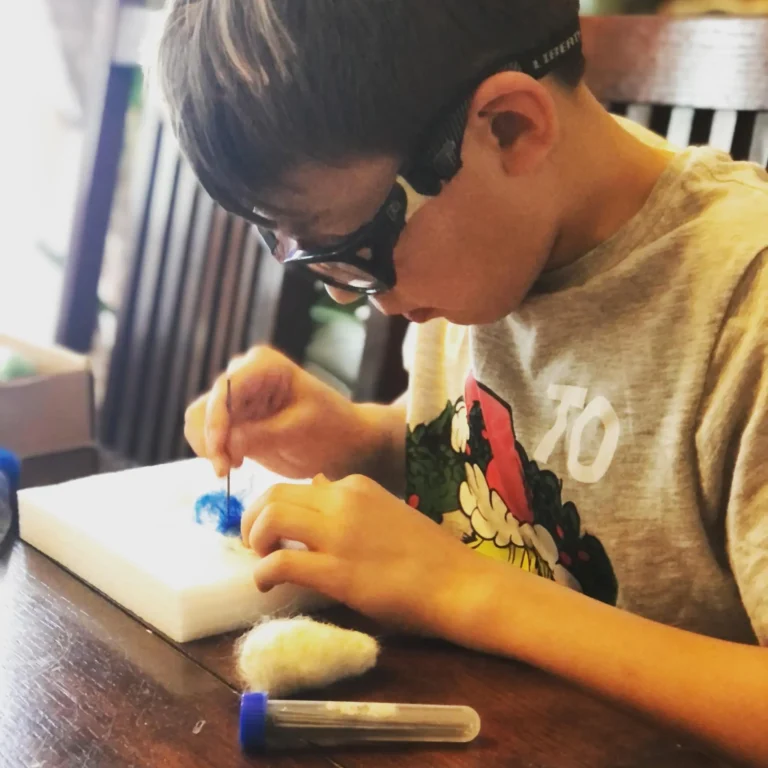
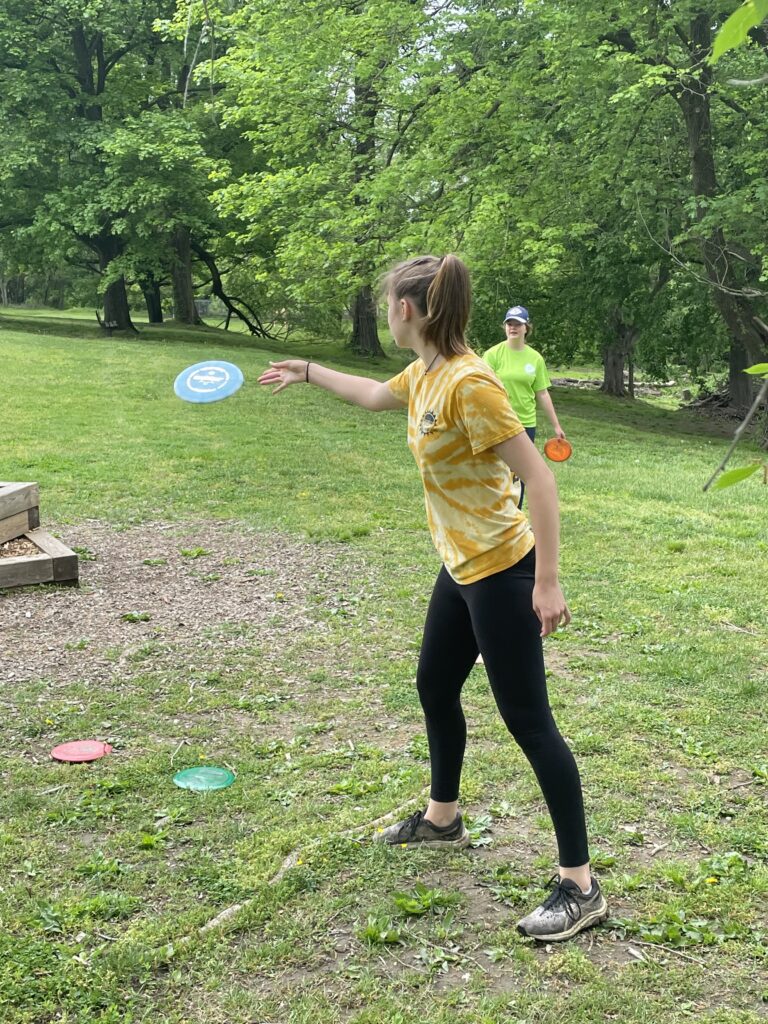
In our home (and maybe yours!), needs can be dramatically different from child to child. Annabelle is an organizer, happiest when her environment is predictable and calm. Kaleb, on the other hand, gains focus through movement—running, fidgeting, and playing hockey. Both started in public school before transitioning to homeschooling, and each brought unique strengths and challenges to the table. If you are hearing echoes of your own household in these descriptions, you are not alone!
So how did we (imperfectly) begin meeting these varying needs? By giving ourselves permission to experiment, reflect, and respond, even when solutions weren’t immediate or obvious.
Sometimes, that meant allowing Kaleb to get up and move during lessons—a need that would have been stifled in a traditional classroom. Sometimes, it meant Annabelle discovering when she needed quiet or a change of scenery to refocus. A language of “energy levels” or “regulation” developed as family members worked to describe and advocate for their own sensory needs.
Building Understanding Through Communication
One tool that proved invaluable for us was language. We talked openly about zones of regulation—ways of recognizing when someone was feeling overstimulated, tired, silly, or ready to learn. By giving names to these experiences, both kids learned to advocate for themselves and, just as importantly, to empathize with each other.
But as Annabelle wisely pointed out, solutions didn’t always feel neat in the moment. There were times when things fell apart, when feelings bubbled over, and when the only solution was a temporary retreat. Especially when sharing space with siblings who process the world differently, negotiation and self-awareness became as important as any academic lesson.

Lessons from Experience—and a Few Specifics
So what helped? What didn’t? The answers, as always, are nuanced.
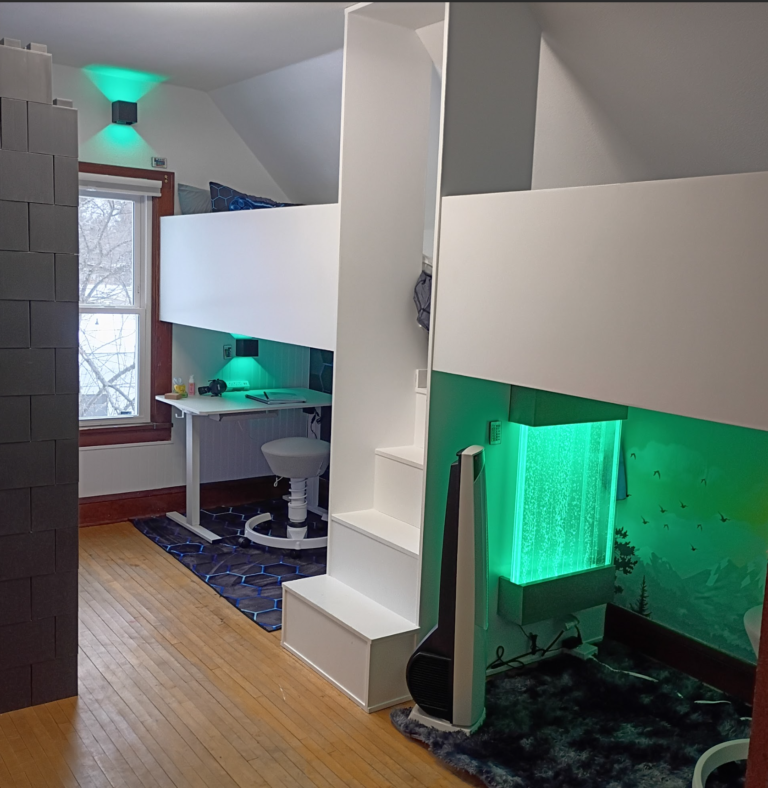
- Choice and flexibility: When focus was fleeting or irritation rose, we tried changing up the environment—moving to a quieter room or outside, allowing physical activity breaks for those who needed them, or having parallel workspaces for different tasks.
- Individualized support: Homeschooling gave us freedom to explore various curricula and methods, from textbooks to hands-on activities to online classes, allowing each child to discover how they learn best.
- Communication and empathy: The siblings learned, with some effort, to say when they needed space or support. They also learned that sometimes one child’s need might mean the other has to compromise—but that these needs shift and balance over time.
- Attending to sibling dynamics: It’s not always possible to deliver perfect fairness. One child might need more parental attention for a time. We’re still learning, but have found that carving out 1:1 time—even just for something fun and unrelated to “problems”—goes a long way in maintaining relationships.
Encouragement for the Journey
If you are homeschooling multiple children with varying needs and temperaments, take heart: there is no perfect formula, and mismatched energy can feel chaotic at times. But growth happens in these messy, honest moments. As Annabelle reflected, what matters is not that every solution is remembered, but that families keep seeking, adapting, and loving each other through the challenges.
Your children don’t need you to be the “equality police”—they need you present, reflective, and willing to listen, even when you don’t have the answer. Over time, those sometimes-bumpy journeys yield resilience, self-advocacy, and relationships that—like our lessons—are always evolving.
As a little gift, we’ll be sharing a PDF of reflective questions you can use with your own children to open these conversations. Look for it in the show notes!
What’s most important is that your journey is uniquely yours—and that, even in the midst of noise, movement, and sometimes tears, you’re writing a story of understanding, connection, and lifelong learning.
OT is IN #72: Navigating Sibling Sensory Needs and Homeschooling Wins and Fails
This episode takes a heartfelt look into the Collins family’s homeschooling journey, especially focusing on the unique sensory and learning needs of my children, Annabelle and Kaleb.
The conversation dives into how homeschooling allowed both Annabelle and Kaleb to better understand and support their own learning styles—whether that meant planning and organizing, or moving around to stay focused. The family shares candidly about what worked (and what didn’t), navigating sibling relationships with different sensory needs, and the importance of communication and self-advocacy.
You’ll hear anecdotes from their homeschooling days, their experiences with tools like the Zones of Regulation, and thoughtful insights about adjusting environments and parenting strategies to support each child’s growth. If you’re a parent, educator, or just curious about how families work through challenges and celebrate differences, you’ll find practical ideas, laughs, and a few candid confessions in this warm, relatable conversation.
In this episode you’ll hear about:
- Annabelle introduces herself (age, homeschooling history, activities)
- Kaleb introduces himself (age, schooling plans, energy differences)
- Contrast in homeschooling experience and personal energy levels between the siblings
- Early Homeschooling Experiences
- Reflections on starting homeschooling after public school
- Comparison of Annabelle and Kaleb’s temperaments as young children
- Discussion of behavioral and learning differences
- Understanding and Managing Energy & Sensory Needs
- Use of “energy” to describe learning and activity preferences
- Annabelle as more planner/organizer; Kaleb as high-energy/movement-oriented
- Sarah reframes “energy” in terms of regulation and sensory processing
- Introduction of the Zones of Regulation framework in their home
- The role and value of using regulation language
- Parenting Strategies: What Helped and What Didn’t
- Homeschooling as facilitating better self-regulation
- Strategies that helped each child understand themselves (e.g. movement breaks)
- Honest discussion of what did not work, like forced tours and over-explaining in learning situations
- Acknowledgement of the importance of self-discovery in learning styles
- Adapting Educational Approaches
- Annabelle’s experiences with various learning formats (dual enrollment, asynchronous classes)
- Experiences with different subjects (math vs history)
- Discovering and leveraging personal learning styles and advocating for oneself
- Managing the Learning Environment
- The impact of environment on focus and sensory needs
- Adjustments made for sibling differences
- Sibling Relationships & Sensory Needs
- Conflicts arising from mismatched sensory needs (quiet vs noise/movement)
- Navigating these differences as children grow
- Use of environmental and sensory strategies to defuse tense situations
- Communication and Advocacy
- Learning to speak up about personal needs (self-advocacy)
- How sibling dynamics evolved to include better communication and mutual anticipation of needs
- Parental Support and Fairness
- Reflections on uneven parental attention due to different needs
- Annabelle’s perspective on independence and desire for attention/support
- Kaleb’s need for more movement and direct support
- Evolution of parental approach to meet both children’s emotional needs
- Long-Term Family Dynamics & Growth
- Emphasis on the ongoing process of learning and adjusting as a family
- Acknowledging that sibling relationships will outlast the parental focus
- Highlighting continuous progress and the importance of maintaining strong family bonds
Links and Resources From Today’s Show
- Why Should I Seek Occupational Therapy?
- Connect with Sarah Collins on IG
- Games That Teach Executive Function
- Executive Functioning For Teens Course
- Zones Of Regulation
- How To Integrate The Zones At Home
- Back To School: Student Interview Questions
- Episode 8: Beyond the Pencil: Exploring Vision’s Impact on Homeschool Handwriting Success
- Episode 9: The Impact of Music on Executive Functioning: A Homeschooling Perspective
- Episode 10: Streamlining Your Space: Organizing for Better Executive Functioning
- Episode 11: Exploring Unique Learning Paths in Homeschooling with Guest Amy Bodkin
- Episode 12: Executive Functioning in Homeschooling: A Teenager’s Experience with Organization and Planning
- Episode 44: Prioritizing Slow in Homeschooling: A chat with Leslie Martino
If you have more questions you want to ask two homeschooled teens, feel free to email here: sarah@homeschoolot.com