
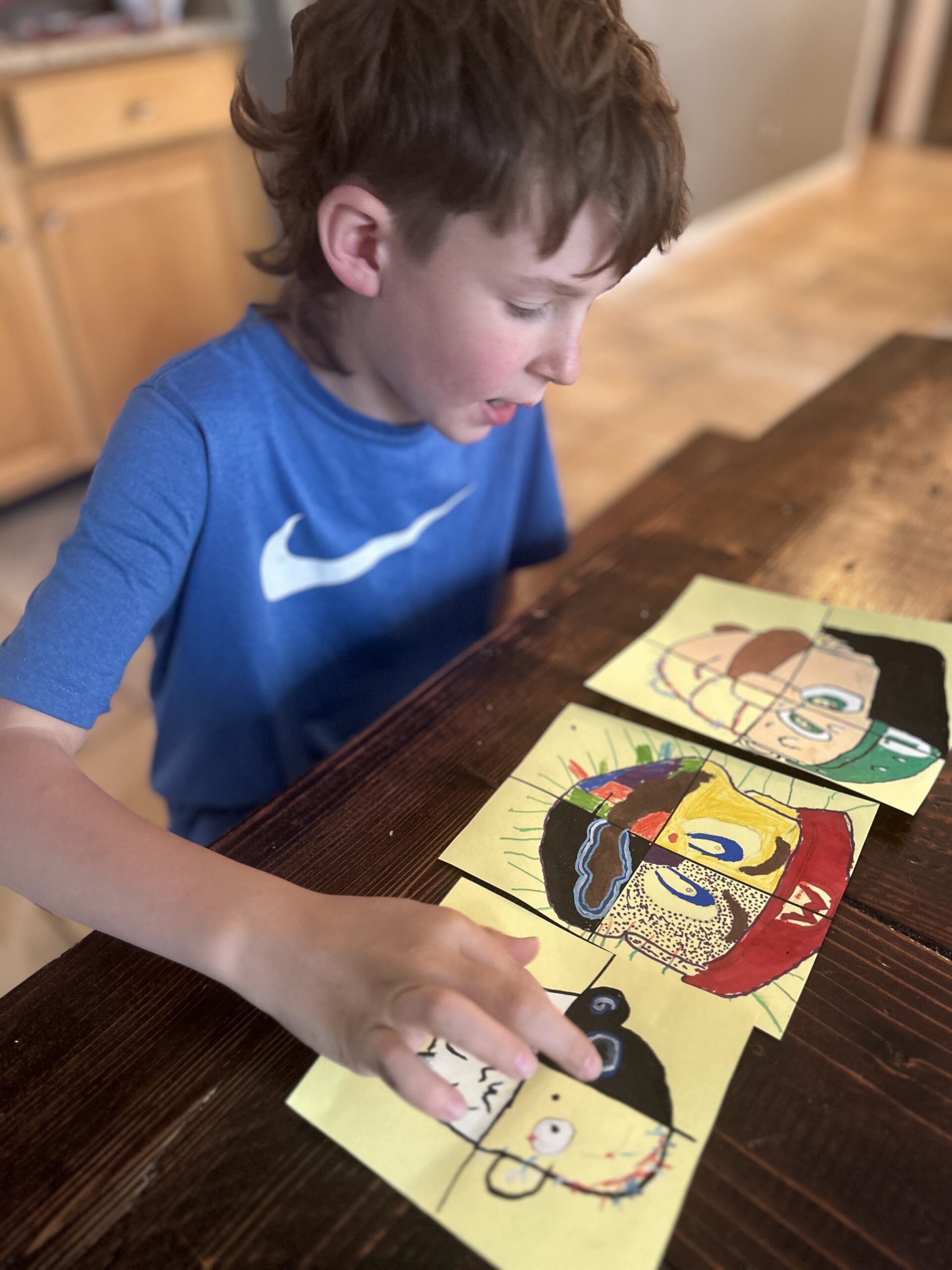
Fostering Emotional Intelligence: Understanding Interoception with Cara Kosinski
Parenting is a complex journey filled with various challenges and learning opportunities both for children and parents. One of the critical areas that has been gaining attention is the concept of interoception – the ability of the human body to perceive its internal state. Cara Kosinski, a seasoned occupational therapist, joins me to delve into this crucial subject.
Recognizing the Signals: What is Interoception?
Interoception might sound like high-level medical jargon, but it’s something we experience daily. It’s our body’s way of communicating hunger, thirst, the need to use the restroom, and recognizing our emotions. According to Cara Kosinski, this internal dialogue greatly affects our decision-making and emotional regulation.
The Silent Language: Observing Non-Verbal Cues
Children aren’t always able to express what they’re feeling verbally. It is crucial to be mindful of non-verbal signs. When we learn to observe cues like changes in breathing patterns, heart rate, or even occurrences of hiccups in our children it can provide insight into their emotional state before it escalates. Understanding and responding to these signs can prevent meltdowns and help your child feel seen and supported.
Encouraging Emotional Articulation: Giving Language to Sensations
It is vital to help children build a vocabulary for their emotions and body sensations. Cara and I discussed how incorporating language into everyday experiences helps children put their feelings into words. Whether it means using interest-based language (like referencing a character from Pokémon) or using visual aids, making the connection between bodily sensations and emotions can be a game-changer.
Playful Learning: Engaging Activities for Better Understanding
During our conversation, Cara emphasizes the importance of play-based learning, especially for homeschooling families. By engaging in fun activities from her workbook “Interoception: How I Feel Sensing the World from the Inside Out,” children can better understand their feelings and how to manage them. The workbook is an excellent resource to make learning about interoception an interactive and enjoyable experience.
Strengths-Based Approach: Building from Interests
Using a strengths-based approach in our homeschool to teach about interception includes focusing on a child’s interests to teach them about bodily sensations and emotions. This method not only makes learning relatable but also empowers children by validating their interests and experiences.
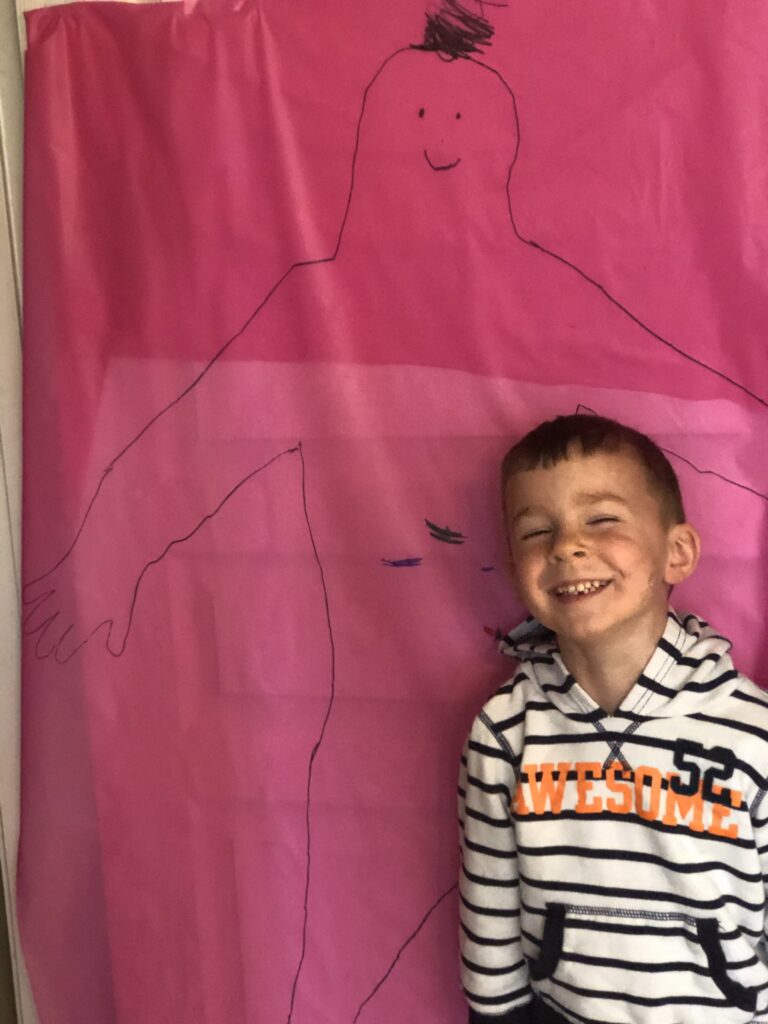
Sensory Experiences: Exploring Movements, Sounds, and Visuals
We recommend using a variety of sensory experiences to help children articulate their feelings. Movement activities, engaging sounds, and colorful visuals can be great tools for connecting with a child’s interoceptive sensations.
Interoception: Challenge or Opportunity?
Teaching interoception can be challenging due to its abstract concepts. Cara advocates for incorporating games to make the learning process entertaining. It’s about integrating different elements—science and literature, alongside calming proprioceptive input—to create a holistic educational journey.
I watched firsthand how screen time influenced one of my children’s behavior and interoceptive awareness. Cara helped me see this is linked to stress hormones that can disrupt the harmony between brain and body signals.
Cara began specializing in pediatric OT services and homeschooling after her children were diagnosed with autism. Her personal journey underscores the significance of her work, as she noticed her children struggling with various interoceptive issues.
Valuable Patterns: Watching and Learning
We want to encourage parents to observe their child’s behavioral patterns. Understanding what affects their comfort at home can offer insights into a child’s interoceptive challenges. Understanding and teaching interoception may not always be straightforward, but it is undeniably beneficial. Trust your instincts and be gentle with yourselves as you navigate this aspect of your child’s development. Remember, each step towards assisting your child in recognizing and managing their internal cues is a victory in fostering their overall emotional intelligence.
OT is IN #13: Beyond the Five Senses: Understanding Your Child’s Interoceptive World with Cara Kosinski
In this episode, you’ll learn how play-based learning isn’t just fun—it’s also an essential tool to help children connect with their internal world. Our guest, Cara Koscinski, offers her expertise as an occupational therapist and a homeschooling mother to provide practical strategies for recognizing and addressing interoceptive cues before the onset of a meltdown.
Additionally, discover the challenges and joys of homeschooling as Cara and I discuss the balance between structure and the flexibility necessary for children to thrive emotionally and academically. For those homeschooling parents and all intrigued by the complexity of human emotions and body awareness, this episode is full of value.
In this episode you’ll hear about:
- Impact of Excessive Stimulation on Children
- Interoception and Emotional Management
- Cara Kosinski’s book, “Interoception: How I Feel Sensing the World from the Inside Out”
- The Role of Play-based Learning in Interoception
- Challenges and Rewards of Homeschooling
- Strategies for Teaching Interoception
- Understanding Subjective Experiences and Behavioral Cues
- Integrating Interests and Descriptors in Learning
- Incorporating Sensory Experiences in the Learning Process
- Discussion on the Ease of Teaching Interoception
- Personal Experience with Screen Time and Behavioral Impact
- Cara Kosinski’s Background and Expertise
- Interoception as a Growing Field of Research
- Parental Guidance for Supporting Children’s Interoceptive Awareness
Links and Resources From Today’s Show
- Learning about Interoception and Language Arts Together
- Interoception: How I Feel: Sensing My World from the Inside Out
- What Is Interoception and How Does It Impact Those With Autism?
- Playing Video Games is Associated with Reduced Awareness of Bodily Sensations
- Visit Cara’s website
Connect with our Guest
Dr. Koscinski earned her post-professional Doctorate in occupational therapy in 2019 at Rocky Mountain University and a master’s degree in OT from Duquesne University in 1997. She obtained her certification as an Autism Specialist from the International Board of Credentialing. Cara is a former lead of the Clinical Applications in Pediatrics Courses for MOT and OTD students at the University of St. Augustine for Health Sciences and serves as a capstone mentor for multiple universities.
Dr. Koscinski enjoys presenting keynote and breakout sessions at state and national conferences on topics of executive function, interoception, behavior, and regulation. As the mother of two adult autistic sons, Cara can appreciate the unique perspective of the caregiver. She has published six books for caregivers and therapists and has written chapters in multiple others. Cara’s newest book detailing her Train Model of executive function, will be released in spring of 2024. As the owner of the largest pediatric occupational therapy group on Facebook, she encourages occupational therapy practitioners to connect, learn, and share with over 50,000 members across the globe.


