Why Handwriting Still Matters: What the Research Says About Cursive, Print, and Learning
“Handwriting isn’t just about making neat letters. It’s about building the brain that supports learning.”
As homeschool parents, we often have the flexibility to ask a question that schools sometimes can’t:
Is this assignment helping my child learn, or are we just checking a box?
That question came up repeatedly in my recent conversation with Jenna Coleman of Groove Learning. We talked about cursive, print, and why handwriting has become part of the conversation again as many states begin reintroducing cursive instruction into their standards.
The answer wasn’t nostalgia.
It was neuroscience.
Handwriting Is About More Than Penmanship
When parents think about handwriting, they often picture neat letters, good spacing, or keeping words on the line.
Those things matter.
But handwriting is actually a remarkably complex occupation.
When a child writes by hand, they are simultaneously coordinating:
- vision
- fine motor control
- posture and proximal stability
- sensory feedback
- motor planning
- language
- attention
- working memory
- executive functioning
No wonder handwriting can feel overwhelming for some children.
As occupational therapists, we often remind parents that handwriting is not simply a fine motor skill. It is the product of many systems working together. I often describe these as the different pieces of the handwriting puzzle. You can find more on these aspects of handwriting here.
What Does the Research Say?
Recent neuroscience research continues to support something educators and occupational therapists have observed for years: writing by hand activates the brain differently than typing.
In a 2024 EEG study, researchers compared handwriting with typing while participants copied words. During handwriting, they found significantly more widespread communication between brain regions involved in movement, sensory processing, memory formation, and learning. Typing did not produce the same patterns of brain connectivity. The authors concluded that the precise visual, motor, and proprioceptive demands of handwriting appear to strengthen the neural networks that support learning.
This doesn’t mean typing is “bad.”
Typing is an important life skill.
But it suggests that handwriting provides something unique during the learning process.
Why Cursive Is Returning
Many states, including Pennsylvania, have recently restored cursive instruction.
Why?
Partly because the research continues to point toward benefits that extend beyond simply signing your name.
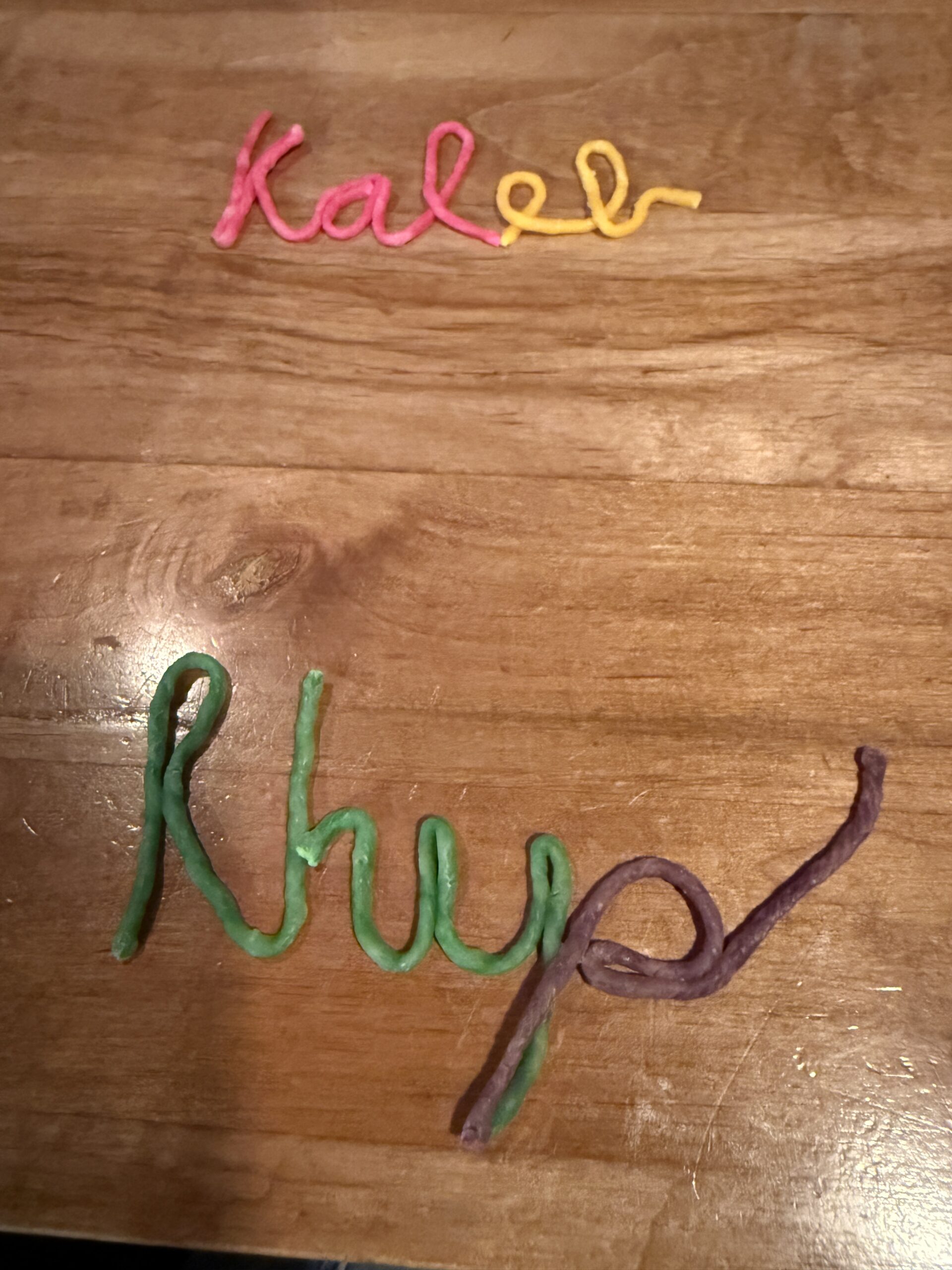
Cursive requires continuous, connected movement rather than repeatedly lifting the pencil from the page. Those flowing movements appear to engage brain systems differently than either print writing or keyboarding, potentially supporting memory formation and information encoding.
This does not mean every child should immediately switch to cursive.
It does mean cursive deserves thoughtful consideration rather than being dismissed as outdated.
Handwriting Should Build Confidence, Not Tears
One of my favorite moments from the podcast came when Jenna said:
“There should never be tears and stress behind handwriting.”
That does not mean handwriting is always easy. But when it consistently causes frustration, we need to ask why. Is handwriting itself difficult, or is the child trying to think, spell, organize ideas, remember punctuation, and form letters all at once? Sometimes the answer is not more handwriting practice, but separating the different demands of the task.
As I often recommend to parents, allow your child to narrate ideas, use speech to text, or have you act as the scribe while continuing to build handwriting as its own developing skill. This allows written expression and handwriting to grow without one holding back the other. If narration is new to your homeschool, my A Path to Thoughtful Learning narration guide can help you use it intentionally as a tool for learning and written expression.
A Multisensory Approach Makes Sense
Another theme from our conversation was the value of multisensory learning.
Children learn best when multiple systems work together.
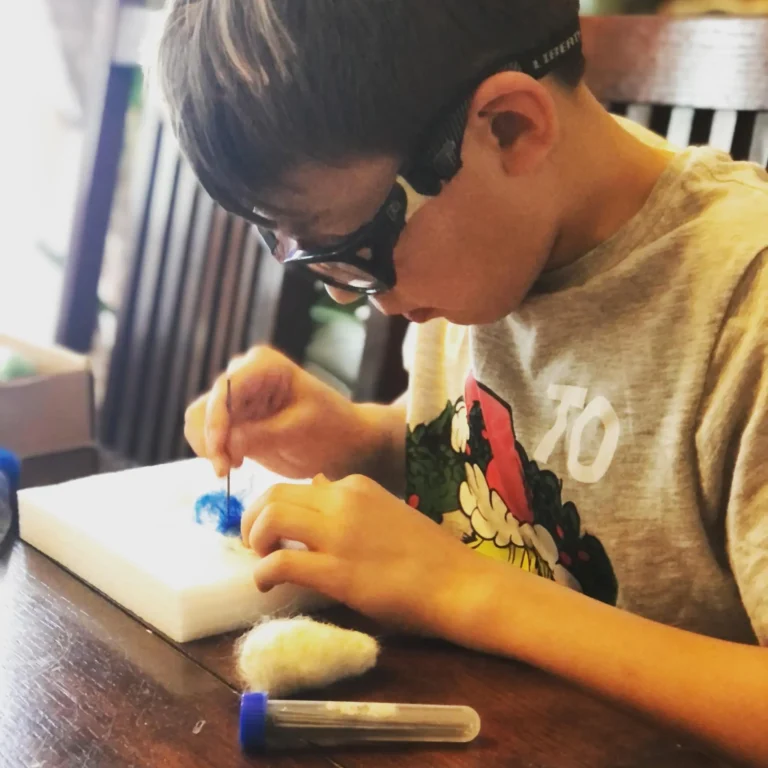
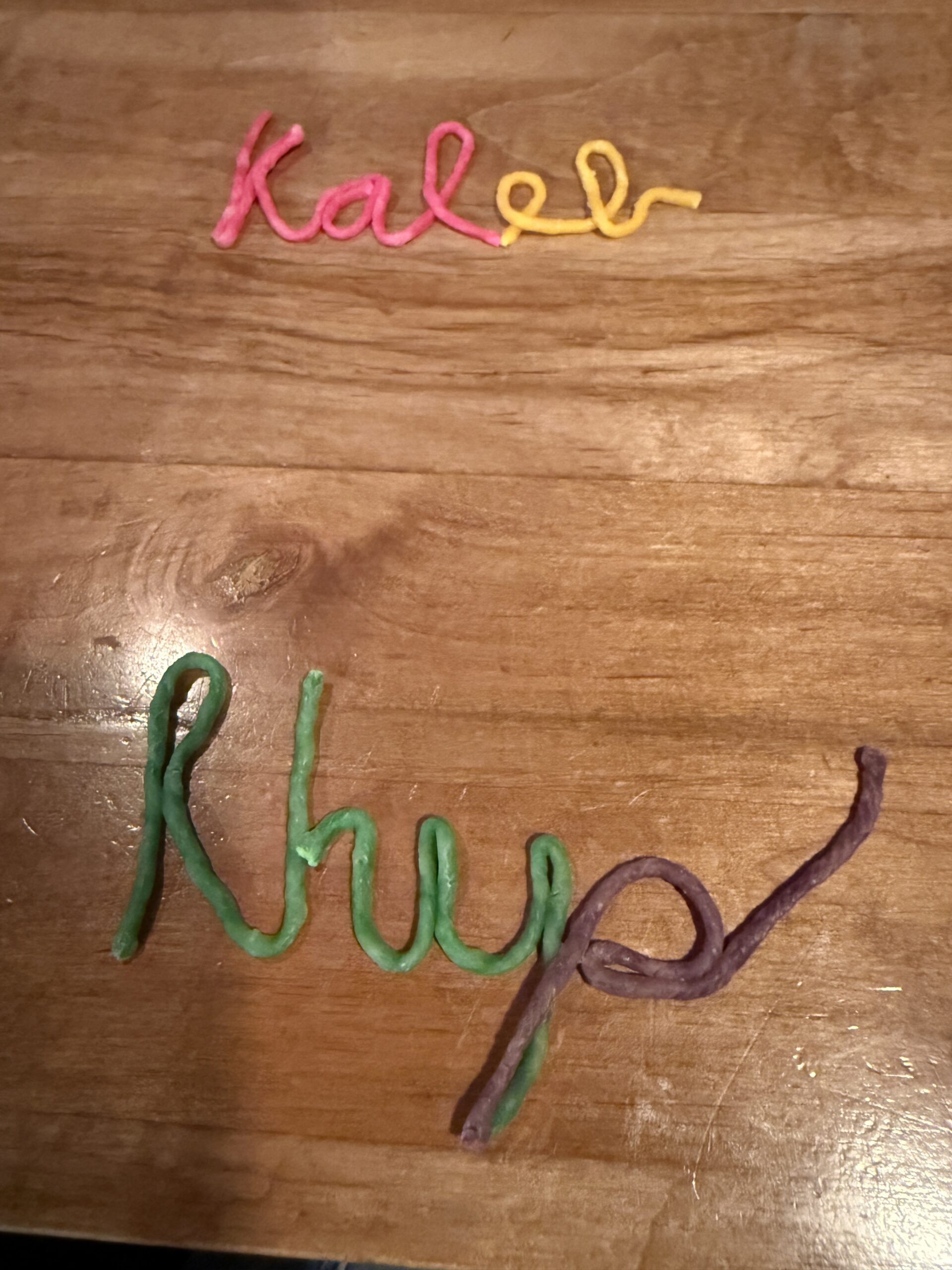
Rather than simply copying lines of letters, meaningful handwriting practice might include:
- tracing while feeling raised lines
- writing words connected to current science or history studies
- incorporating movement before handwriting
- practicing with meaningful sentences instead of isolated drills
- connecting handwriting to reading and spelling instruction
The goal isn’t more worksheets, the goal is deeper learning.
What Should Homeschool Parents Do?
If your child enjoys handwriting, keep building fluency.
If handwriting is difficult, remember that difficulty does not necessarily mean laziness or lack of effort.
Instead, ask:
- Are the underlying skills ready?
- Are we expecting handwriting and written composition at the same time?
- Could handwriting practice be shorter and more meaningful?
- Would cursive be worth exploring?
Homeschooling gives us something incredibly valuable: the freedom to teach the child in front of us.
Whether your family ultimately chooses print, cursive, or both, remember that handwriting isn’t about producing perfect penmanship.
It’s about giving children another powerful tool for thinking, remembering, communicating, and learning.
OT is IN #103: Why Cursive Is Making a Comeback (And What It Means for Your Child)
If you have ever wondered whether cursive is really worth the effort, or why writing in any form can be such a sticking point for your child, this episode is for you.
Today we’re looking beneath the surface of handwriting. We are talking about more than how letters look. What does the act of writing actually contribute to learning, memory, and confidence?
In a homeschool setting, we have the flexibility to notice when handwriting has become stressful or simply feels like busywork. We can ask whether our child needs more practice, a different approach, or another way to show what they know.
I’m joined by Jenna Coleman of Groove Learning to talk about why cursive is making a comeback, how cursive differs from print and typing, and why a multisensory approach can make handwriting practice more meaningful.
In this episode you’ll hear about:
- Why handwriting is about much more than neat penmanship
- Why cursive is making a comeback and what the research actually tells us
- How cursive, print, and typing each serve different purposes
- Why handwriting requires explicit instruction and repeated practice
- How sensory feedback and multisensory learning can support handwriting development
- Why cursive may reduce some of the letter reversal challenges children experience with print
- How to make handwriting practice meaningful instead of busywork
- Why handwriting skill and written expression sometimes need to be separated
- How narration, dictation, and speech to text can allow children to demonstrate what they know while handwriting skills are still developing
- How short, consistent practice can help children build handwriting fluency and confidence over time
Research and Resources From Today’s Show
- Handwriting Rewires Your Brain
- Handwriting Leads To Widespread Brain Activity
- The Science Of Cursive
More handwriting help from HomeschoolOT
If handwriting is difficult for your child, you do not have to figure out the pieces on your own. These episodes explore some of the underlying skills that can affect handwriting and written expression.
Understanding Handwriting and Written Expression
- Episode 24: Understanding the Handwriting Journey: Tools and Techniques for Homeschoolers
- Episode 55: Understanding Dysgraphia: Tools and Strategies for Homeschoolers
- Episode 56: Unlocking Writing Confidence in Children: The Role of Personal Expression
- Episode 92: Beyond Perfection: How to Foster Legible and Functional Handwriting
- Episode 93: Balancing Tech and Handwriting: Supporting Your Child’s Growth
The Skills Underneath Handwriting
- Episode 8: Beyond the Pencil: Exploring Vision’s Impact on Homeschool Handwriting Success
- Episode 23: Blending Sensory Integration and Fitness for Better Handwriting
- Episode 35: Connecting Speech, Phonemic Awareness, and Literacy
- Episode 37: Reading, Writing, and Growing: Developing Fine Motor Skills in Children
- Episode 58: Practical Tips for Handwriting: Understanding Motor Planning
- Episode 77: Turning Letters Into Play: How Doodling Builds Handwriting Skills
Making Handwriting Meaningful
- Episode 40: Crafting Holiday Memories While Building Handwriting Skills
- Episode 27: Preserving Childhood in a Digital World
Continue Learning With HomeschoolOT
If this episode helped you recognize that handwriting is about more than putting letters on paper, here are a few ways to keep learning:
- Build a Confident Writer
- Join the OT is IN Insiders for monthly teaching, conversation, and Q&A around topics from the podcast
- Why Should I Seek Occupational Therapy?
- Connect with HomeschoolOT on Instagram
- Explore HomeschoolOT Resources on Teachers Pay Teachers
Thank You to Our Title Sponsor, Lovevery
Thank you to Lovevery for sponsoring this episode of the OT is IN.
One of the themes we return to often on this podcast is that children learn through doing. Learning involves movement, exploration, sensory experiences, problem solving, and opportunities to interact with the world around them.
That is one reason Lovevery is such a natural fit for the conversations we have here. Their Play Kits are designed around developmental stages and use hands on, open ended play to give young children opportunities to explore and build new skills. The kits also include guidance for parents with ideas for using the materials as children grow.
As an occupational therapist, I appreciate resources that recognize play as an important part of childhood development rather than something separate from learning. Learn more about Lovevery here Use the code homeschoolOT10 for 10% off.
Connect With Our Guest, Jenna Coleman
Jenna is a former classroom educator turned homeschool Mom. She just finished her 8th year of homeschooling her 3 kiddos. Although she has her Master’s in Education, she has found she has learned the most about teaching through these last 8 years of homeschooling and has loved it every step of the way. She started her business 3 years ago as Graceful By Design. They’ve now split into 2 brands and the entire educational line is Grooved Learning. She is passionate about creating a love of learning through building short impactful and efficient resources that heavily rely on being tactile and combining subjects/topics.