Cultivating Lifelong Skills Through Handwriting: Encouragement for Parents
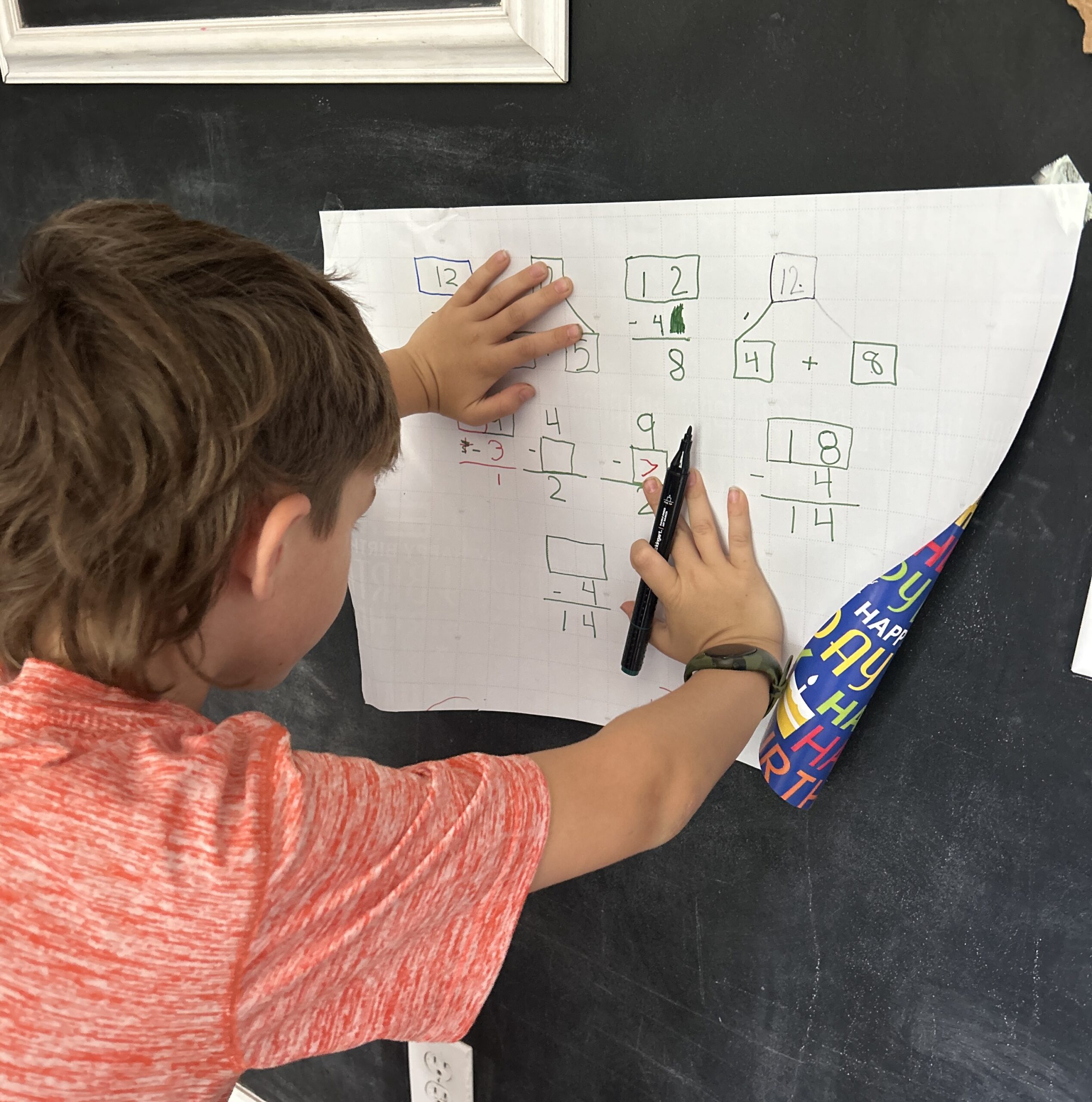
Handwriting is more than just putting pen to paper—it’s a gateway to lifelong skills and academic success. But how do we nurture these capabilities amidst the daily bustle of family life, especially within a diverse homeschool or co-op environment?
Teaching Handwriting and Fine Motor Skills in a Multi-Age Classroom
In a homeschool setting with a spectrum of ages and abilities, ranging from preschoolers just beginning to manipulate a pencil, to older kids refining their skills for clarity and speed.
If you envision a calm scene with children quietly practicing their letters while you sip coffee, you might be romanticizing the reality. In truth, the atmosphere is more dynamic: some children are engrossed in writing, others are eager to share their work, and some are frustrated by the mechanics of holding a pencil correctly. It’s a space of organized chaos, where each child’s unique pace is respected, and a sense of accomplishment fosters camaraderie.
Despite the varied skill levels, every child is engaging with the foundational activity of handwriting, which serves as a bridge to other academic and life skills. To support this development, it’s crucial to provide diverse and adaptable tasks. This way, each child can find success and derive joy from the process.

Introducing handwriting skills in a graduated manner can help manage this organized chaos:
- For the Littlest Learners (Preschoolers): Start with gross motor activities that build the necessary muscle control. Engage them with fun and interactive tasks such as playing with play-doh or using colorful tongs to pick up small objects. These activities naturally build fine motor strength.
- Early Writers (Kindergarten): Incorporate playful methods for letter formation, using activities that don’t feel like formal writing. Coloring with broken crayons, painting letters, and stringing beads are fantastic ways to enhance motor coordination without pressure.
- Developing Writers (Grades 1-3): Introduce more structured handwriting practice while still emphasizing fun. Let them use sticker paint-by-numbers or light bright games to keep the learning lighthearted and engaging.
- Refining Writers (Grades 4+): Work on refining their grasp and writing fluidity. Introduce dynamic tripod grasp techniques and provide practice with engaging writing prompts that motivate them to use their handwriting skills.
The end goal is not mere proficiency but an appreciation for the value of written communication. Children learn that their words have power, carrying meaning and information that can influence and inform others.
Ensuring Success for Handwriting Development
Ensuring your child’s success in handwriting involves patience, adaptability, and encouragement. Provide resources that guide parents through developmental expectations and interventions, like those available at handwritingsolutions.org. Remember, Kelli is available for free consultations to answer questions and provide support tailored to your child’s needs.
In the whirlwind of daily activities, fostering these skills may seem daunting, but the benefits are profound. Writing isn’t just an academic requirement; it’s a life skill that enhances cognitive development, communication, and even fine motor coordination.
So, to every parent or caregiver juggling multiple responsibilities and diverse learning needs, take heart. The journey may be fraught with moments of frustration and triumph, but each effort builds a foundation for lifelong success. As Kelli mentions, handwriting—much like life—is an evolving skill. Your guidance today can make all the difference for tomorrow.
Encourage your young learners by taking a proactive approach. Adjust activities to match your child’s readiness and seek additional support when needed. With the right resources and a flexible mindset, you can help transform the challenge of handwriting into an enriching and rewarding journey for your child.
OT is IN #37 Reading, Writing, and Growing: The Bigger Picture of Developing Fine Motor Skills in Children
Today we’re thrilled to be joined by Kelli Fetter, an OT and founder of Handwriting Solutions. She has previously been a part of our Handwriting Focus Group. Our conversation focuses on the interconnectedness of reading and writing skills, the importance of fine motor development from early childhood, and practical tips for parents, especially those homeschooling. We’ll also explore the misconceptions about handwriting development and the critical role it plays beyond basic literacy.
Join us as we discuss research, developmental milestones, and Kelli’s hands-on strategies to help children thrive. Stick around—this episode is packed with insights and actionable advice you won’t want to miss!
In this episode you’ll hear about:
- Kelli’s motivation: personal experience with her daughter diagnosed with dyslexia and dysgraphia in first grade
- Early red flags in kindergarten
- Importance of finding experts specializing in learning disabilities
- Created Handwriting Solutions
- Services expanded to reading and spelling due to overlapping student difficulties
- Complexity of Handwriting
- Handwriting involves multiple foundational abilities: fine motor control, core stability, visual skills, etc.
- Emphasis on building foundational skills and explicit handwriting instruction
- Fine Motor Control is one component of handwriting
- Kelli examines pencil use and hand movements to understand fine motor abilities
- Key observation points: pressure, smoothness
- Discussion on different grasp patterns impacting handwriting
- Interconnectedness of Reading and Writing
- Importance of reading for information and recognizing the value of writing
- Kelli highlights writing as a beneficial life skill beyond academics
Links and Resources From Today’s Show
- Why Should I Seek Occupational Therapy?
- Handwriting Focus Group from Homeschool OT
- Handwriting Expectations by Grade Levels from Handwriting Solutions
- Handwriting but not typewriting leads to widespread brain connectivity, research from Frontiers
- Brain research shows why handwriting should be taught in the computer-age
- Teacher training text for dysgraphia, dyslexia, dyscalculia, and oral and written language learning disability (OWL LD)
- Episode 5- Beyond 20/20 Vision: Understanding Crucial Aspects of Visual Assessment in Children
- Episode 21- Exploring Primitive Reflexes: From Birth to Integration
- Episode 22- Supporting Children Through Play-Based Reflex Integration
- Episode 23- Blending Sensory Integration and Fitness for Better Handwriting
- Episode 24- Understanding the Handwriting Journey: Tools and Techniques for Homeschoolers
Connect with our Guest, Kelli Fetter
Kelli Fetter is a Certified Handwriting Specialist and the founder of Handwriting Solutions, LLC providing handwriting tutoring virtually and in- person. She practiced as an occupational therapist in pediatric outpatient, early intervention, preschools, and private schools. She also served as adjunct professor teaching pediatrics and kinesiology. Kelli has extensive training in handwriting and dysgraphia. Kelli’s passion is driven by her own daughter’s dyslexia & dysgraphia journey.