Supporting Kids with Misophonia: Practical Encouragement for Parents
Have you ever noticed your child reacting to everyday sounds—maybe someone chewing at dinner or the neighbor’s lawnmower—and wondered, Is this just sensitivity, or something more? If so, you’re not alone. Many families are just now discovering the world of misophonia, a reflex condition where common sounds trigger strong emotional reactions like distress or even rage.
When Family Life Is Full of Triggers
If you’re picturing harmonious family dinners with quiet music and minimal conflict, you probably aren’t living with misophonia! Instead, think of a lively home where every clink of a fork or crinkle of a wrapper can set someone off. Children (and adults) with misophonia experience actual, involuntary reflexes—think muscle tensing or a spike of anger—when exposed to specific sounds, often those overlooked by everyone else.
Tom Dozier shared how these reflexes don’t come from a hearing issue, but are more like an “overly helpful” brainstem, linking normal sounds to physical and emotional reactions. Just like learning to ride a bike, the brain “learns” to react, and without intervention, these reflexes can get stronger over time.
“Just Try To Relax!” (And Why That’s Not Enough)
We’ve all heard (or said), “Just try to ignore it.” But as Tom emphasizes, misophonia isn’t about willpower. While relaxation and awareness can help, many children don’t even recognize the physical reaction that comes first—shoulders tensing, hands clenching—before their flood of emotion. Younger kids especially can’t be expected to self-regulate without support or a calming environment. Instead, Tom suggests small, practical environmental changes:
- Add soothing noise: A box fan, “rain” sounds, or quiet music can help mask triggers and keep the house from feeling silent and tense.
- Make meals more relaxed: Sharing jokes, stories, or laughter at the table can lessen the impact of triggers and keep the environment positive.
- Move gradually: If a child avoids the table entirely, don’t force it. Instead, invite them to be nearby, adding sound as a buffer, and let closeness build slowly as comfort increases.
Creating an environment that accepts all family members’ needs makes a world of difference—and might look more chaotic than calm! In Tom’s work, he even encouraged one child to do cartwheels during dinner as a bridge to feeling included without being overwhelmed. Progress came slowly, but it came.
When to Seek More Support
Most importantly, misophonia isn’t just “being picky” or “dramatic.” It’s a legitimate neurological reaction, and it can be tough on everyone. If attempts at relaxing, adding background noise, and lightening the mood make no difference—or if your child’s distress is severe—it may be time to talk with specialized professionals. Since misophonia is still new to many therapists, Tom recommends asking potential providers:
- How many people have you helped with misophonia?
- What is your approach? (Are they focusing on physical reflexes, emotional regulation, or both?)
A Note of Encouragement
As parents, it’s vital to remember—kids aren’t “choosing” this reaction. That flood of anger or distress is as involuntary as a sneeze or a startle. Rather than viewing misophonia as a family discipline problem, see it as a reflex your child needs help understanding and managing. The sooner you seek support, the better chance you’ll have of it not growing into more triggers or more stress for your whole family.
Above all, know that you’re not alone! Many families are just beginning to talk about misophonia, and new research, resources, and compassionate experts are becoming available every day.
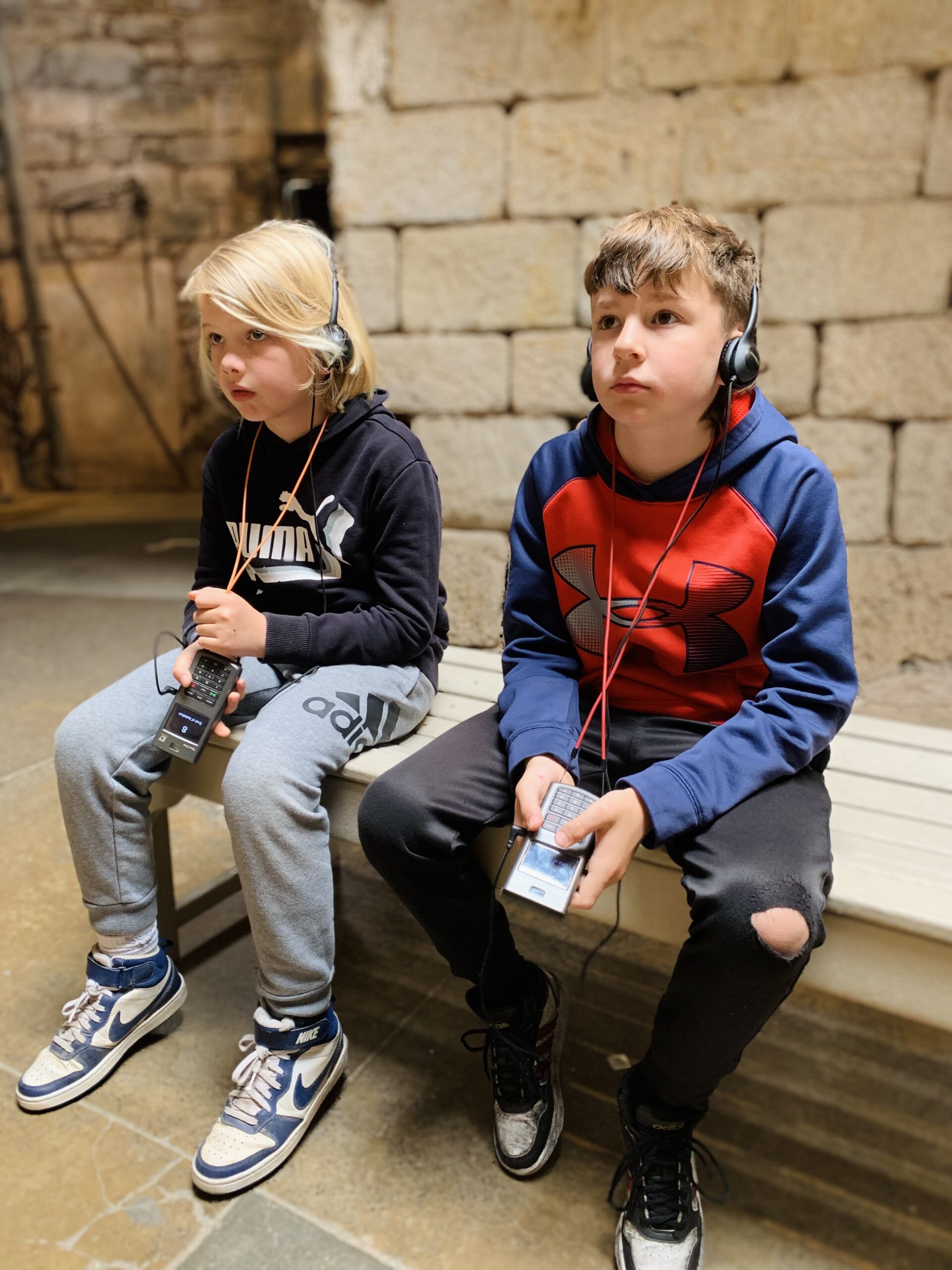
Whether your children need to zone out with headphones, giggle through dinner, or spend some meals doing cartwheels around the table—what matters is that you’re supporting them. You’re not seeking perfection; you’re building resilience, self-awareness, and the ability to ask for help. That’s the heart of all good learning, at home and beyond.
(For more resources and support, visit the show notes or explore misophonia.org and soquiet.org. And remember: every family’s journey will look a little different—embrace the organized chaos!)
OT is IN #63 Misophonia Explained: Causes, Triggers, and Real Life Solutions
Tom breaks down what misophonia really is, how it differs from simple sound sensitivity, and why it’s so crucial for families to recognize the signs early. They discuss current research, the lack of mainstream resources, and practical, real-world strategies families can use to support children struggling with these intense sound triggers. Tom also highlights the importance of creating supportive environments at home and the need for professional guidance when self-help strategies aren’t enough.
In this episode you’ll hear about:
- Tom’s background as a behaviorist and parenting coach
- How Tom was introduced to misophonia through a personal family story
- Understanding Misophonia
- Definition of misophonia as a reflex condition, not a hearing defect
- Types of triggers: auditory, visual, and olfactory
- Typical misophonia sounds (chewing, talking, birds, lawnmowers, repeating sounds)
- The inappropriately strong emotional reaction to common sounds
- Reflex pathways and the concept of the “lizard brain”/brain stem
- The process by which misophonia develops (pattern recognition, Pavlovian conditioning)
- Relationship between physical reflex and emotional response
- The lack of misophonia coverage in medical and psychology textbooks
- Practical Strategies and Supports for Misophonia
- Importance of adding background noise (fans, noise machines) at home
- Behavioral experiments and increasing body awareness in children
- Case of a young girl displaying unconscious physical reactions to triggers
- The analogy to fingernails on a chalkboard as a common non-misophonia sound aversion
- How physical reflexes can be more important than initially perceived emotional responses
- Techniques to increase body and emotional awareness as a means of reducing triggers
- The role of family dynamics and inherited patterns in misophonia
- Misophonia’s prevalence in the general population (estimated 5-15%)
- Differentiating between normal sensitivity and a clinical level of misophonia
- Impact on daily life and family relationships
- Examples where sound sensitivity expands to more triggers or worsens over time
- When and How to Seek Help
- Indicators that professional support is needed
- How to test simple relaxation strategies and track changes over time
- Guidance on working with children and adapting interventions to their developmental level
- Encouraging early intervention to prevent escalation
- The importance of family support and teamwork
- The Role of Environment and Life Stages
- How environment (school vs. home) changes trigger severity and coping responses
- Influence of life stress and transitions on misophonia intensity
- Occupational Therapy (OT) and Misophonia
- OT perspective: modifying environment, activities, and body awareness
- Discussion on not altering foods, but instead targeting tolerance to normal sounds
- Gradual reintroduction to triggering environments as part of therapy
- Different therapeutic philosophies and methods (core response vs. tolerance training)
- Audiologist role in providing ear-level sound generators and alleviating triggers
Links and Resources From Today’s Show
- Why Should I Seek Occupational Therapy?
- Misophonia International
- Misophonia Institute
- So Quiet
- The International Misophonia Foundation
- Episode 1: Unveiling the role of OT in Homeschooling
- Episode 2: Decoding Behavior in homeschooling- sensory overwhelm, emotional control, perseverance
- Episode 13: Beyond the Five Senses: Understanding Your Child’s Interoceptive World with Cara Kosinski
- Episode 29: Parenting with Co-Regulation
- Misophonia Treatment
- Connect With Sarah On Instagram
Connect with our Guest, Tom Dozier
Tom Dozier, MS, BCBA, is a behaviorist who has researched and provided treatment for misophonia as a reflex behavior condition since 2012 and is a pioneer in misophonia research. He is author of Understanding and Overcoming Misophonia, A Conditioned Aversive Reflex Disorder and 10 journal articles. His research indicates misophonia includes both physical and emotional reflexes and explains how misophonia develops and often progresses with time. With this understanding of misophonia, Tom developed Relaxation and Counterconditioning Therapy as a behavioral treatment for misophonia. He has provided this treatment to hundreds of individuals in-person and by telehealth. Tom founded the non-profit Misophonia Institute in 2016 to promote misophonia awareness, research, and professional training, and he serves as president.