Discover the Magic of Outdoor Learning
At times, teaching our children can feel like a balancing act, especially when considering their diverse needs, learning styles, and interests. Yet, bringing education outdoors could be the key to not only meeting these diverse needs but also igniting a lifelong love for learning.
Bringing Learning Outdoors: Embracing Wild Math and Reading
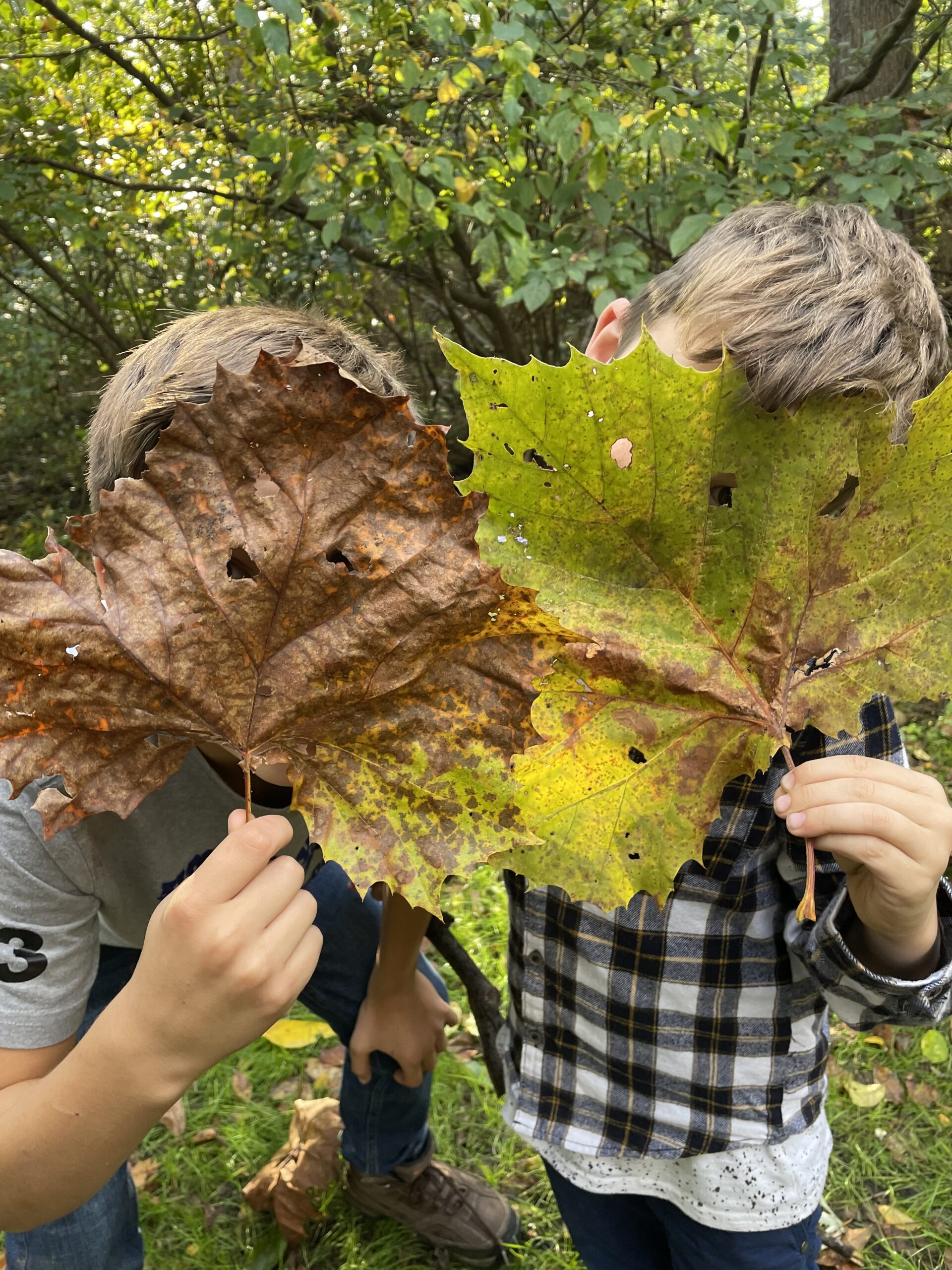
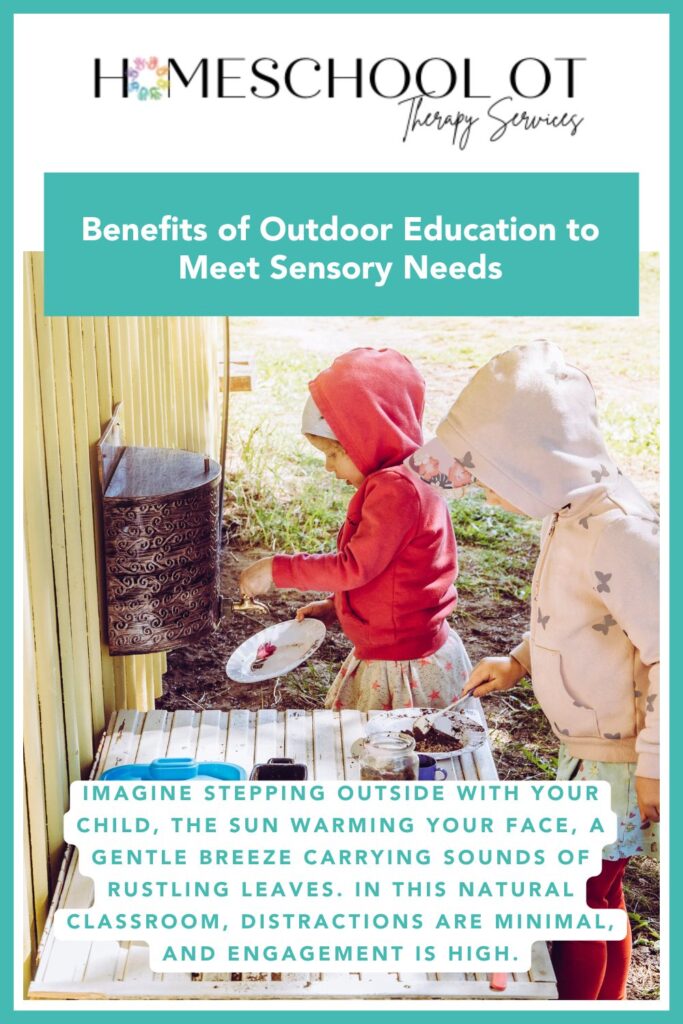
Imagine stepping outside with your child, the sun warming your face. A gentle breeze carries the sounds of rustling leaves. In this natural classroom, distractions are minimal, and engagement is high. The world becomes your child’s textbook, filled with numbers and letters hidden in every branch, leaf, and shadow.
Rachel Tidd’s experience with her children is a testament to the benefits of outdoor learning. Her youngest thrived in an outdoor preschool setting due to his sensory needs. This inspired Rachel to create a curriculum that other families could use. This need became “Wild Math” and “Wild Reading”—approaches that transform not just the location of learning, but the way we engage with it.
So how does this translate to your family?
Similar to the chaos of a co-op making handicrafts, the outdoors provides a dynamic environment. It can accommodate the variations in learning styles and preferences. The beauty of wild learning lies in its adaptability. For instance, a simple nature walk becomes a math lesson by using rocks and twigs to count, group, or form patterns.
Incorporating Rachel’s methodology, start small. Dedicate 15-20 minutes a few times a week to focused learning outside. Use natural elements as your teaching tools. This resonates across ages. Younger children might explore counting and pattern recognition through leaves and stones. Meanwhile, older ones can sketch and write about the ecosystems they observe.

As children grow, so can the lessons.
Experiencing math and language in the natural world allows children to make tangible connections to abstract concepts. For example, teaching phonics through words found in nature—tree, leaf, stream—makes learning relevant and engaging.
The physical act of being outdoors has its advantages. It naturally boosts engagement, attention, and even physical health. The ground beneath their feet offers proprioceptive feedback, while the expansive distances strengthen their vision.
Even in less than ideal weather, a simple deck can transform into an outdoor classroom with the right mindset and wardrobe. Encourage children to dress for adventure and to see each excursion as an opportunity for discovery.
For parents who feel less enthused about the outdoors, preparation is key. Invest in gear for yourself as you would for your children. This enables longer and more enjoyable outdoor sessions. Use these opportunities not only for learning but for bonding, exploration, and decompressing together.
OT is IN #57 Benefits of Outdoor Education to Meet Sensory Needs
This week I am talking with Rachel Tidd, an innovative educator renowned for her groundbreaking approach to learning through nature. Rachel has developed curricula like Wild Math and Wild Reading that I have been recommending to families for years. Her knowledge and insights into the outdoor learning world will leave you wanting to expand your homeschooling classrooms.
In this episode you’ll hear about:
- Introduction of Rachel Tidd and her work
- Background on Rachel’s Children and Sensory Needs
- Discussion about her children attending an outdoor forest preschool.
- Focus on her youngest child’s sensory issues and how the environment helped meet those needs.
- Challenges and Homeschooling Decision
- Rachel’s consideration of traditional schooling challenges for her sensory-seeking child.
- Decision to homeschool and the process of developing outdoor-focused curriculum materials.
- Development of Wild Math and Reading Curriculum
- Steps Rachel took to create learning materials that integrated outdoor activities.
- Specifics on starting with math due to its hands-on nature and later addressing reading needs.
- Understanding Sensory Needs and Regulation
- Detailed description of her son’s sensory-seeking behaviors at home.
- Discussion on sensory-seeking versus regulation and how outdoor environments supported her son.
- Advantages of Outdoor Learning
- Benefits of outdoor environments for sensory input and increased engagement.
- Support for executive functioning, risk-taking, and decision-making in children.
- Health benefits including improved vision and less illness.
- Adapting Outdoor Learning as Children Age
- Continuation of outdoor learning into older grades; adjustments as curriculum expands.
- Integration of indoor activities while maintaining outdoor experiences.
- Parental Tips for Outdoor Learning
- Advice for parents who aren’t naturally drawn to the outdoors.
- Importance of having the proper gear to enhance outdoor experiences for both parents and children.
- Addressing Fears and Challenges in Outdoor Learning
- Strategies for dealing with kids’ fears of outdoor elements like bugs or weather.
- Emphasizing gradual exposure and flexibility in outdoor activities.
- Wild Learning Resources and Access
Links and Resources From Today’s Show
- Why Should I Seek Occupational Therapy?
- Outdoor Education: Research Summary
- What Is Outdoor Education And How Does It Help Students?
- Handwriting Without Actually Writing
- Skills Nature Builds
- Building Fine Motorskills
- Harnessing the Great Outdoors for Visual Development and Learning
- Outdoor Activities to Develop Interoception in Children with Guest Caroline Santangelo
- Supporting Children Through Play-Based Reflex Integration
- Risky Play: Understanding the Benefits and Strategies for Safe Child Development
- Outdoor Adventures: Developing Fine Motor Skills Through Nature-Based Therapy with Carmela Trejo
- Narration: A Path To Thoughtful Learning
- Discover Wild Learning
- Rachel’s Book
- Connect with Sarah on Instagram
Connect with our Guest, Rachel Tidd
Rachel Tidd is passionate about using outdoor and place-based learning to enhance literacy and math instruction. She is the author of the book Wild Learning: Practical Ideas for Bringing Teaching Outdoors and the Wild Math® and Wild Reading® Curricula series. Rachel is a former elementary special education teacher with an M.S. Ed. in Elementary and Special Education from Bank Street College of Education. She is a doctoral candidate at the University of Wisconsin-Stevens Point, specializing in Educational Sustainability with a focus on literacy. Her research explores integrating sustainability and language arts. You can find her at discoverwildlearning.com.
Connect with Rachel on Instagram here.
Connect with Rachel on Facebook here