
Embracing Risky Play: Nurturing Growth and Development in Children
As parents, it’s natural to want to protect our children from harm and keep them safe. However, research shows that engaging in risky play is essential for children’s development, helping them build confidence, resilience, and important life skills. While it may seem counterintuitive, allowing our children to take calculated risks through play can have far-reaching benefits for their physical, cognitive, and emotional growth.
So, what exactly is risky play? According to the Canadian Pediatric Society, there are eight types of risky play, including play at height, play at speed, play with dangerous tools, and rough and tumble play. These activities provide valuable opportunities for children to learn about their bodies, develop coordination and balance, and assess risks. Through risky play, children can push their limits, test their abilities, and gain a sense of accomplishment when they overcome challenges.
Benefits of Risky Play for Kids
As a mother of two boys, I’ve witnessed firsthand the benefits of risky play. My youngest son, at age 13, started checking in hockey, a type of rough and tumble play. While it was nerve-wracking to watch at first, I saw how this experience contributed positively to his development. He learned to control his impulses, regulate his emotions, and communicate effectively with his teammates. Most importantly, he gained confidence in his abilities and learned to trust his own judgment in high-pressure situations.
To support our children’s engagement in risky play, it’s important to take a gradual approach. We can start by observing their current skills and providing opportunities for growth and development. This may involve setting boundaries, providing safety gear, and gradually increasing the level of risk as children demonstrate readiness. Open communication is key, as it allows children to express their feelings and concerns while also learning to trust their own judgment.
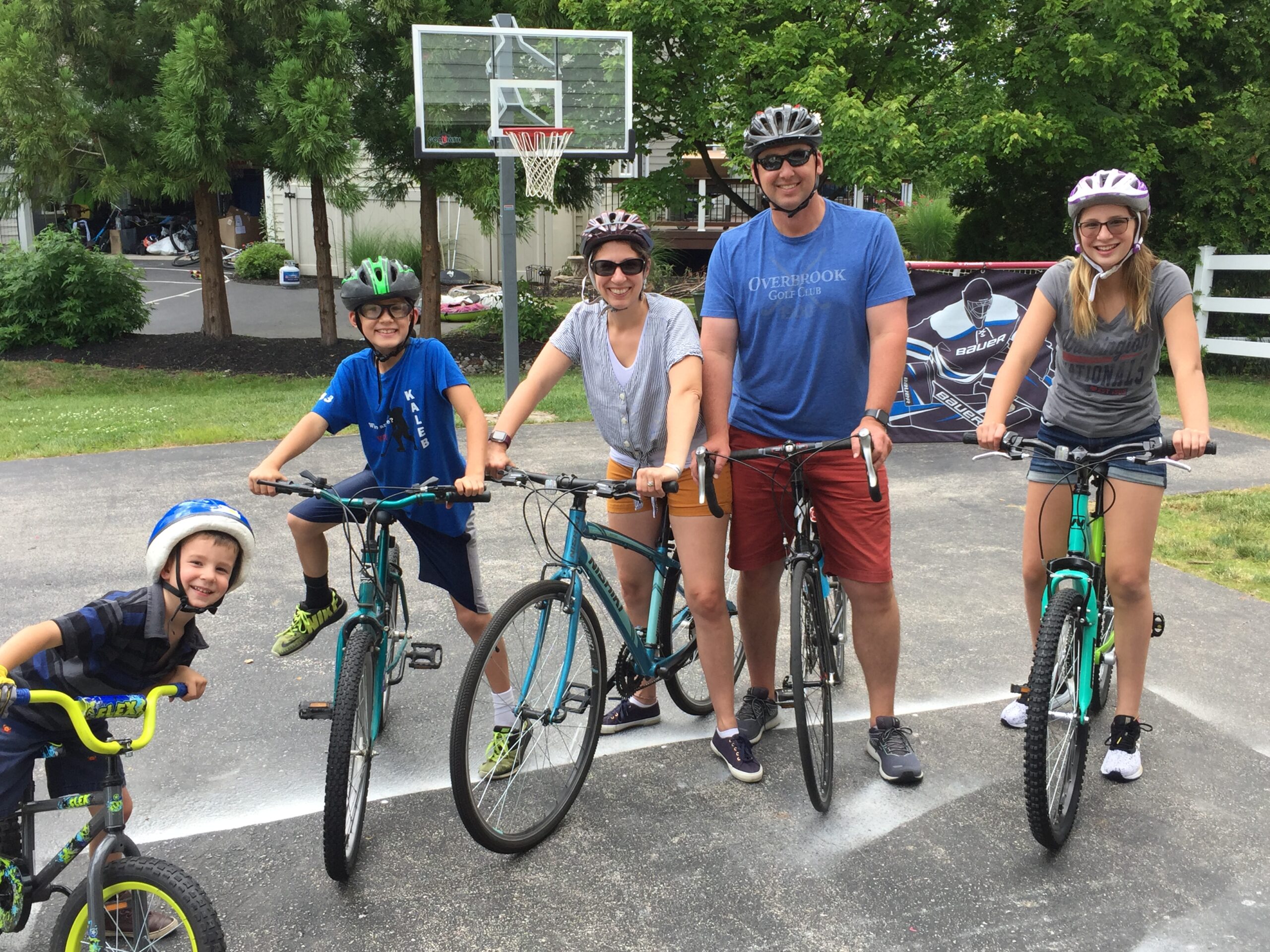
It’s important to note that engaging in risky play doesn’t mean putting our children in danger. By implementing safety measures, such as wearing helmets when bike riding or providing adult supervision during activities like woodworking, we can create an environment that allows for healthy risk-taking while minimizing potential harm. We can also teach our children to recognize and evaluate potential dangers, helping them develop the skills they need to stay safe in a variety of situations.
It’s also crucial to recognize that risky play looks different for every child and family. What may be risky for one child may be comfortable for another. As parents, we need to evaluate our own comfort levels and work with our children to find activities that challenge them while still feeling manageable. This may involve adapting activities to accommodate different ages and abilities, such as using walkie-talkies in games or providing spaces for safe impact activities like using a trampoline or punching bag.
Ultimately, supporting our children’s engagement in risky play is about finding a balance between safety and growth. By providing opportunities for healthy risk-taking, communicating openly, and trusting our children’s abilities, we can help them develop the skills and confidence they need to navigate life’s challenges. Risky play allows children to develop sensory input, body awareness, and executive functioning skills, all while having fun and exploring their environment.
As parents, we have the power to nurture our children’s growth and development through risky play. By embracing the concept of healthy risk-taking, we can help our children build resilience, confidence, and a lifelong love of learning. So, let’s step back, take a deep breath, and watch our children thrive as they engage in the exciting world of risky play.

OT is IN #28: Risky Play: Understanding the Benefits and Strategies for Safe Child Development
As a parent, it can be scary to let your children engage in activities that seem dangerous, like climbing trees, riding bikes, or playing rough. But research shows that taking age-appropriate risks through play is actually crucial for children’s development – physically, cognitively and emotionally.
When we talk about “risky play”, we don’t mean putting kids in harm’s way. Rather, it’s about giving them opportunities to test their limits, problem-solve, and build confidence in a relatively safe environment with adult support and supervision. Risky play helps kids develop important skills like risk assessment, body awareness, and emotional self-regulation.
But where do we draw the line between healthy risk-taking and dangerous behavior? How can we scaffold risky play experiences so kids progress at an appropriate pace? And what role should we play as parents and caregivers?
Whether your child is cautious by nature or an impulsive daredevil, I hope this episode will give you a new perspective on letting kids take risks through play. Let’s jump in!
In this episode you’ll hear about:
- Executive Functioning Definition: skills required to start, persist, and complete tasks
- Importance in daily functioning and personal growth
- Response inhibition (impulsivity) and its development in children
- Role in safety evaluation and decision-making
- Risky Play as defined by the Canadian Pediatric Society
- Eight different types of risky play
- Playing at heights
- playing at speed
- play involving tools
- play involving potentially dangerous elements
- rough and tumble play
- play with risk and disappearing or getting lost
- play involving impacts
- vicarious play
- Progression of risky play (e.g., playing at height and speed)
- Importance of teaching children to recognize and evaluate potential dangers
- Need for supervision and teaching response inhibition
- Gradual progression in allowing children to engage in risky play
- Risky Play vs. Dangerous Play
- Varies from person to person
- Families need to evaluate it for themselves
- Personal examples (trampoline for gaga ball and games like Deadman)
- Benefits of Risky Play
- Positive contribution to child development (e.g., response inhibition and emotional control)
- Vicarious play: watching others engage in risky play and modeling behavior
- Accepting children’s current skills while allowing for growth and development
- Resources available through the homeschool OT community
- Strategies for Supporting Risky Play
- Observation, communication, and setting boundaries
- Providing opportunities for practice and evaluation
- Supporting and observing children’s play, communicating openly
- Implementing safety measures for various activities (e.g., bike riding, using tools, playing near fire)
- Adapting Risky Play for Different Needs
- Multi-age play and accommodating different children’s needs
- Using walkie-talkies in games or providing spaces for safe impact activities
- Developing children’s sensory input, body awareness, and executive functioning skills while maintaining safety
Links and Resources From Today’s Show
- Why Should I Seek Occupational Therapy?
- Board Games to Teach Executive Functioning
- Executive Functioning Group from Homeschool OT
- Reverse Planning Guide for Homeschool Families
- The OT is IN Membership
- Life in Five Senses: How Exploring the Senses Got Me Out of My Head and Into the World
- Smart but Scattered: The Revolutionary “Executive Skills” Approach to Helping Kids Reach Their Potential
- Balanced and Barefoot: How Unrestricted Outdoor Play Makes for Strong, Confident, and Capable Children
- Eight Types of Risky Play, Navigating the balance with injury prevention
- Episode 12- Executive Functioning in Homeschooling: A Teenager’s Experience with Organization and Planning
- Episode 25- Understanding Hippotherapy: Therapeutic Equestrian Activities for Children’s Development
- Episode 26- Sensory Safe Evacuation: Preparing for Emergencies with Kids’ Sensory Needs in Mind
- Episode 27- Preserving Childhood in a Digital World: Greta Eskridge’s Expertise for Families


