
Navigating Neurodiversity in Homeschooling: Encouragement for Every Parent
Homeschooling opens up a myriad of learning experiences, from detailed science projects to engaging history re-enactments. Yet amidst these exciting activities, there lies a fundamental aspect that often remains under-discussed yet is essential for a truly inclusive educational experience: embracing and supporting neurodiversity. Just as a room full of children painting and sewing in a co-op reflects a range of abilities and talents, so too does a homeschool harbor diverse learning styles and needs, especially with neurodiverse children.
Keisha Berry, a speech-language pathologist and a seasoned homeschooling mom, recently shared enlightening perspectives on providing robust support for neurodiverse learners in a homeschool setting, much like the multifaceted handicraft sessions managed in diverse homeschool co-ops. Her insights are particularly vital for those of us navigating the complex but rewarding journey of educating neurodiverse children.
Envisioning a Neurodiverse-Friendly Homeschool Environment
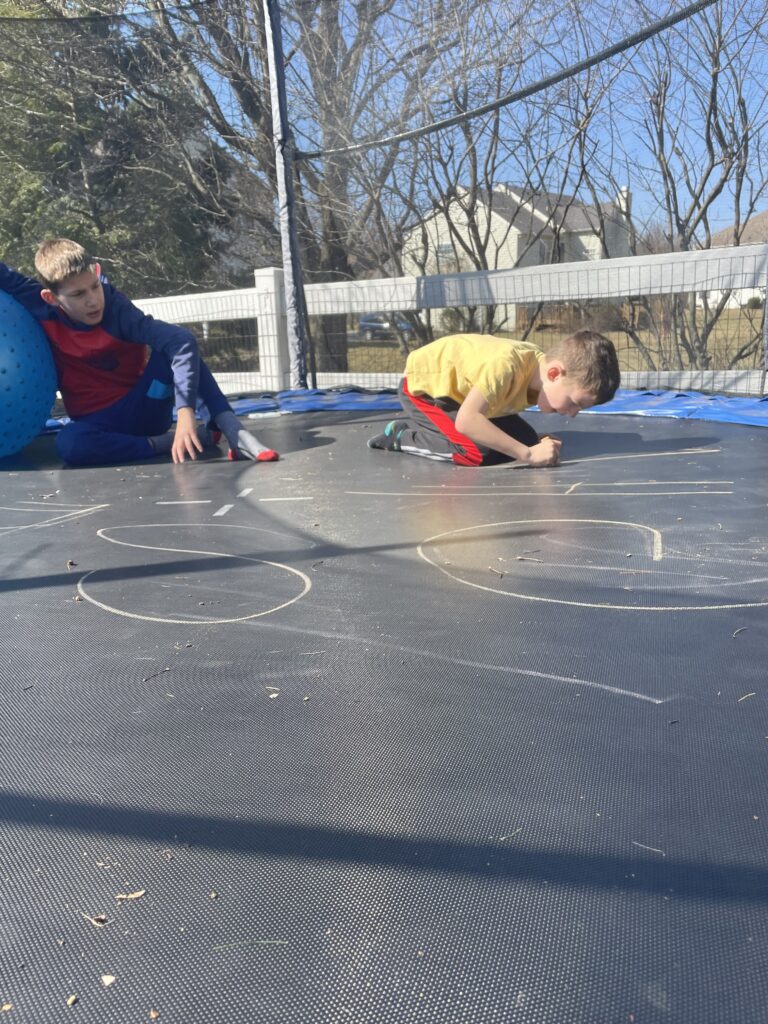
Imagine a homeschool setting tailored for neurodiversity. Beyond an idyllic and quiet study scene, it’s a dynamic space with various sensory aids, flexible seating options, and personalized learning routes. It’s somewhat akin to observing a co-op handicraft room in action: some children are meticulously threading needles, others dabbling in paint, while a few might appear overwhelmed by the sensory stimuli of bustling peers and need a quiet corner to regroup. The picture is one of organized chaos where learning is adapted to fit countless needs.
In her discussion, Keisha emphasized creating ‘neuro-affirming’ environments in education. Such environments are thoughtful realms where neurodiverse children are not coerced into fitting pre-existing academic frameworks, but rather, these frameworks are flexible enough to accommodate their unique ways of interacting with the world.
Understanding Double Empathy and Mutual Understanding
Moreover, she introduced the compelling concept of the ‘double empathy problem’, illuminating the idea that misunderstandings in communication often occur between individuals with differing neurological experiences. It calls for mutual effort in bridging communication gaps—not merely expecting neurodiverse individuals to conform to conventional social norms.

Practical Strategies for Supporting Neurodiverse Learners
Drawing parallels with multi-age, multi-ability handicraft projects in homeschool co-ops can provide us with practical strategies to enrich our homeschool practices:
- Customizable Learning Tools: In handicrafts, younger kids might use blunt scissors for safety, while older kids handle sharp tailoring shears. Similarly, provide adaptable learning aids such as visual schedules for those who thrive on routine or noise-cancelling headphones for those sensitive to sound.
- Varied Instructional Methods: Just as handicraft lessons vary from demonstration to hands-on practice, educational sessions can alternate between interactive, kinetic learning and quiet, independent activities to cater to various sensory needs and attention spans.
- Role-Playing for Social Skills: Much like acting in a play aids in understanding diverse perspectives, role-playing can help neurodiverse children navigate complex social situations, giving them the script and confidence to interact effectively and appropriately.
- Strategic Peer Interaction: Echoing the way older children in co-ops often guide younger ones in crafting projects, encourage neurotypical children to partner with neurodiverse peers. This not only fosters patience and leadership but also promotes a natural, inclusive learning culture.
- Open Dialogue and Education: Just as we discuss different techniques and materials in handicrafts, educate all students about neurodiversity. Use age-appropriate literature and discussions to explain why and how their peers may experience the world differently.
Embracing Complexity for a Richer Homeschool Experience
Keisha’s insights remind us that nurturing an inclusive, understanding, and flexible homeschool environment is akin to managing a successful handicraft co-op. Each child, whether neurotypical or neurodiverse, benefits from a setting that acknowledges and celebrates unique learning styles. The chaos, though daunting at times, is a mosaic of countless learning moments that collectively forge a path of empathy, respect, and comprehensive education.
As we prepare for another year of homeschooling, may we strive to weave these elements seamlessly into our days, ensuring every child not only learns but thrives. In doing so, we model a community that values every member, paving the way for a more inclusive and empathetic society. By embracing the complexities of neurodiversity, we enrich our children’s education and their hearts.

OT is IN #17: Neuro Affirming Homeschool Environments with Keisha Berry
Welcome to another episode of “Homeschool OT: The OT is in,” where we delve into the world of homeschooling through the lens of occupational therapy and speech therapy. In today’s episode, we are joined by Keisha Berry, a Speech Language Pathologist and seasoned homeschooling mom. Keisha brings a wealth of experience and insight into managing education at home, especially for children who are neurodiverse. We’ll explore her journey from being a special education teacher to choosing homeschooling for her own children, leading to the establishment of her practice, Spectrum Education and Therapy Center.
Our conversation with Keisha will cover the challenges and triumphs of homeschooling, the importance of community support like co-ops, and how parents can navigate educational spaces for children with diverse learning needs. Keisha also sheds light on how to create neuro-affirming environments and the crucial role of conflict management and advocacy in nurturing inclusive and supportive educational experiences. This promises to be an enlightening discussion filled with practical tips and profound insights for both new and veteran homeschooling parents alike. So, let’s dive in!
In this episode you’ll hear about:
- Combining roles as an educator, speech therapist, and a homeschooling parent.
- Keisha’s decision to homeschool based on her child’s experience in traditional school settings.
- Founding motives behind Spectrum Education and Therapy Center.
- The expansion of services offered, such as counseling, psychological evaluations, and behavior support.
- Challenges and Strategies in Homeschooling Neurodiverse Children
- Understanding and adapting co-op environments for neurodiverse learners.
- The importance of neuro-affirming approaches and terminology.
- Implementing and supporting various communication ways, including use of communication devices.
- Encouraging appropriate responses and flexibility in behavioral expectations.
- Managing Expectations and Conflict in Homeschool Co-ops
- Preparing homeschool co-ops for embracing neurodiversity.
- Role-playing and scenario analysis to help children advocate for themselves and manage interactions.
- Social Skills Development including the distinction between manners and social skills.
- Creating inclusive and supportive educational environments that prepare neurodiverse students for real-world interactions.
- Teaching neurodiverse children to advocate for themselves.
- The double empathy problem and mutual adaptation needs for inclusive interaction.
- Preparatory Advice for Homeschoolers and Co-op Leaders
- Recommendations for books and resources to educate both neurotypical and neurodiverse children about diversity and inclusivity.
- Importance of proactive conflict management planning in educational settings.
Links and Resources From Today’s Show
- Why Should I Seek Occupational Therapy?
- Handicrafts in Your Homeschool
- What is Bullying?
- Double empathy, explained
- Explicit Instruction of Self-Advocacy Skills
- ADA Accommodations at a Homeschool Co-op
Connect with our Guest, Keisha Berry
Keisha Berry is an accomplished professional with a background in education and communication sciences. Beginning as a special education teacher and co-chair of an Autism program, she transitioned to become a speech-language pathologist in 2010. Keisha holds a Master’s Degree in Communication Sciences and Disorders from Howard University, demonstrating her dedication to advancing her expertise. In 2019, she founded Spectrum Education and Therapy Center, focusing on supporting homeschool families with neurodiverse learners.
Keisha is passionate about partnering with parents to maximize learning at home. Over the last 13 years, not only has she homeschooled her own 4 children, but she has also been an advocate for families, championing children’s rights to receive optimal support. She sees culturally responsive education and therapy as powerful tools for accessing opportunities.