
Embracing the Bedtime Battle: How Parents Can Transform Nighttime Routines with Sensory-Friendly Strategies
Parenting often feels like an art, trying to balance the needs of our little ones while steering them through the daily routines seamlessly. Today, let’s explore a challenge that many parents face – the tricky business of bedtime, and how we can navigate this with grace, especially for children with sensory processing difficulties.
In a recent conversation, I talked with Connie O’Neill about how customized strategies, particularly through the use of sensory-friendly tools, can significantly ease bedtime routines. Imagine a household buzzing with energy, where bedtime seems more like a fantasy than an impending reality. Here’s how we can shift from chaotic to tranquil evenings.
Understanding the Unique Bedtime Needs
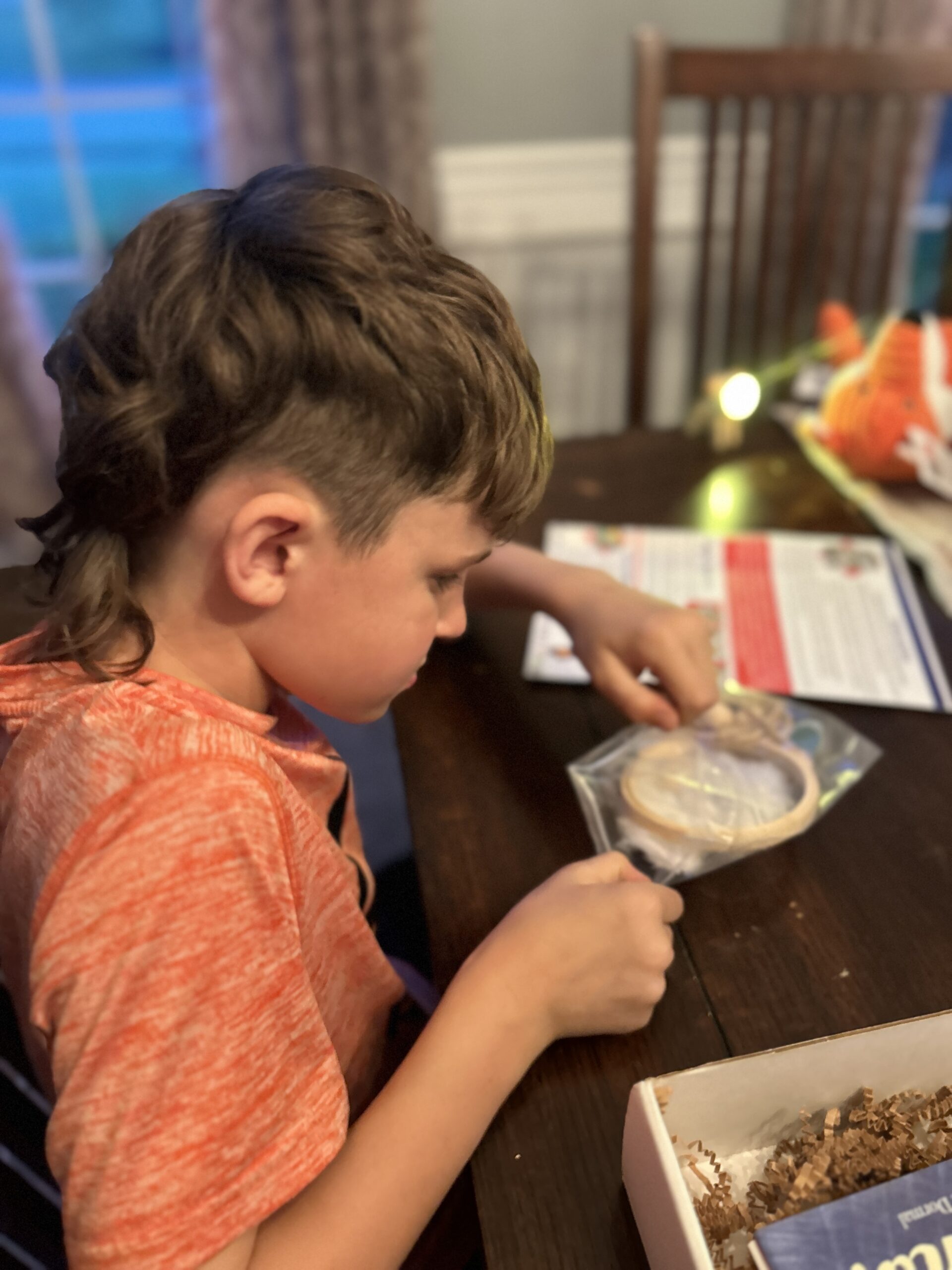
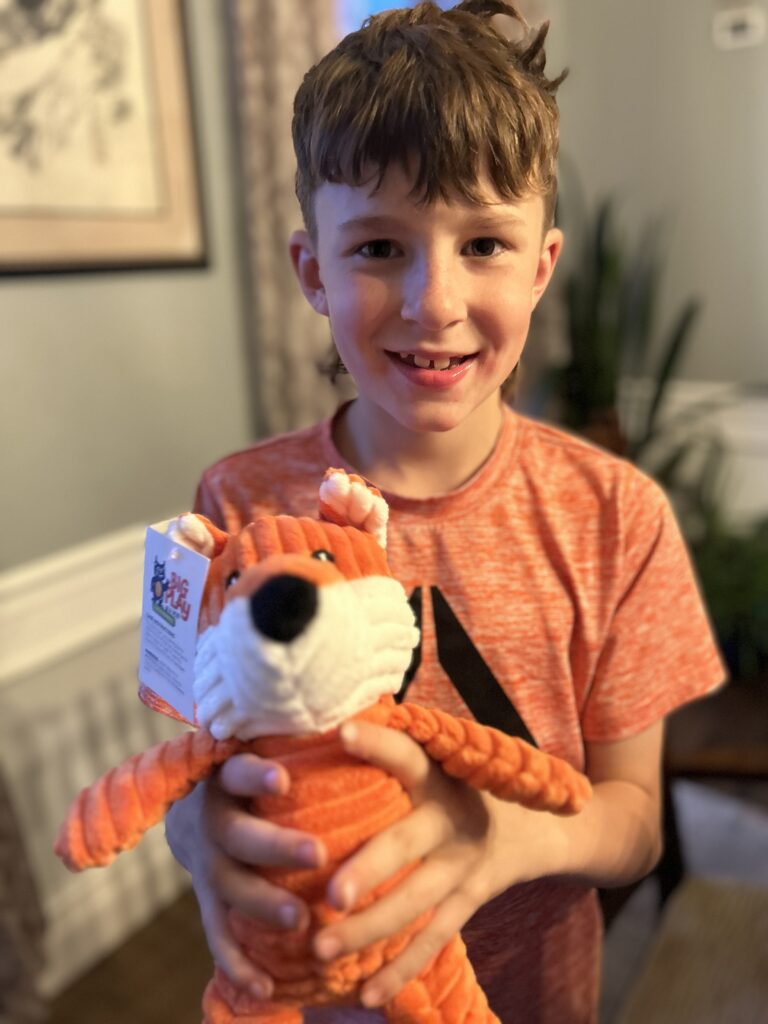
Each child is a world unto themselves, especially when it comes to winding down at night. While some might be soothed by a story, others may need tactile engagement to transition calmly into sleep. Connie’s recent innovation, the bedtime box, is designed with these varied needs in mind. Consider a box filled with items like a weighted stuffed animal, providing comforting pressure, or a fidget light that subtly engages busy hands. These aren’t just items; they are sensory experiences that cater to individual nighttime needs.
Integrating Daytime Preparations
Sarah emphasized the value of weaving educational and social skills activities throughout the day. This continuous engagement does not just magically end at bedtime but is part of a thoughtful continuum. When children are guided through structured yet varied activities during the day, transitioning into night becomes a part of the flow, rather than a disruption.
The Role of Parents: Coaches of Bedtime
Both Sarah and Connie discuss the pivotal involvement of parents. Think of yourselves not just as enforcers of routines but as coaches. This perspective shift can be empowering. With tools like Connie’s play boxes, you’re equipped with activities that aren’t just play but strategic engagement mechanisms that prepare your child for a smoother bedtime transition.
Adapting to Development Needs
Developmental progression doesn’t pause at bedtime. By utilizing different strategies, like the strategic use of kid-adapted scissors for crafts included in bedtime boxes, you encourage autonomy and fine motor skill development. It’s about providing the right tool at the right time to foster independence and confidence that spill over into bedtime readiness.
Embrace Imperfection: The Learning Curve
A standout moment in our discussion was the acknowledgment of imperfection as a learning tool. Not every bedtime will be picture-perfect, nor does it need to be. Allow your children to lead sometimes, which might mean that the bedtime routine doesn’t go exactly as planned — and that’s perfectly okay. This flexibility can decrease frustration for both you and your child, paving the way for more adaptive strategies.
The journey to a calm bedtime is not about a one-size-fits-all solution but about understanding and responding to your child’s unique sensory needs. Our podcast episode, featuring expert insights from an occupational therapist and a seasoned parent-host, provides not only encouragement but practical strategies that can be molded to fit your family’s evening routine.
So tonight, as you approach the bedtime routine, remember that you have tools and strategies at your disposal. With sensory-friendly aids and an adaptable mindset, you can transform chaotic evenings into moments of connection and calm. Let these strategies be your guide, letting each night be a step towards mastery, not just for your child, but for you as a parent too.

OT is IN #20: Tailored Kids’ Activities from Crafts to Sleep: Insights from Connie O’Neill
Today I’m talking with Connie O’Neill about home-based learning aids for occupational therapists use with kids. Connie and I are both experienced occupational therapists. Connie shares her unique journey from working with adults to finding her passion in pediatric OT.
She has developed Big Play in a Box, innovative bedtime and play boxes, designed to aid children with sensory processing difficulties and developmental delays. These boxes are crafted to not only entertain but also support crucial developmental milestones in children aged 3 to 8. Together we highlight the importance of parental involvement and feedback in a child’s day-to-day learning.
In this episode you’ll hear about:
- Use of Different Types of Scissors for Children’s Activities
- Developmental progression in skills like cutting
- Bedtime box designed to help children with sensory processing difficulties sleep better.
- Play boxes with activities supporting development created to provide guidance and tools to busy families.
- Tips for Integrating Educational and Social Skills Activities
- Challenges of virtual therapy and engaging parents.
- Parents need to understand and interact with children to address developmental delays.
- Benefits of a coaching model for parents.
- The research process for creating Big Play in a Box .
- Use of sensory play and open-ended activities.
- Importance of boundaries, completion cues, and teaching executive functioning skills.
- Adaptable projects with an emphasis on child-led activities and exploration.
- The Role of Failure and Imperfection in Learning
- Feedback and Materials for Skill Development
- Messy Play and Sensory Play
- Encouraging open-ended play and adaptability.
Links and Resources From Today’s Show
- Why Should I Seek Occupational Therapy?
- Big Play in a Box use MYFIRSTBOX15 for 15% off your entire order
- Developmental Milestones for Early Childhood
- Creative Scissor Skills Tips and Resources
- Designing Messy Play for Infants and Toddlers
- Reverse Planning & Observed Learning Homeschool Journal
Connect with our Guest, Connie O’Neill
Connie O’Neill has been an Occupational Therapist for over 30 years. She began her career by working with adults in settings including inpatient neuro, skilled nursing units, and outpatient orthopedics. After 10 years, she transitioned into working with pediatrics in a rural school setting in Central Illinois. It didn’t take long to discover the challenges that children with learning differences have with fitting in with their peers and an education system that is far from being capable of providing a one-size-fits-all mold for all children to fit in.
In 2021, she stepped out of direct care to help fill a void that she commonly noted among the families she worked with. Parents demonstrated the desire to be able to interact and play with their child; but struggled with time, creativity, and general knowledge on how to aid their child in moving toward the next area of development.
Big Play in a Box was created to assist parents in being able to create meaningful experiences with their children involving a child’s valued occupation of being able to play. The boxes are multi-developmental, centered around a children’s book, and guided by her knowledge of being able to adapt activities to fit multiple ages, developmental abilities, and interests. Over two years in, she has expanded her boxes into a quarterly subscription, online retail, and wholesale.


