

Finding Balance and Peace Amid Homeschooling and Crisis
Homeschooling offers families a unique and enriching experience, yet it also brings its unique set of challenges, especially when life throws an unexpected crisis our way. How can we find peace, balance, and resilience while navigating through such times?
Imagine a typical homeschooling family, faced with not only the daily demands of education, but also the additional layers of chronic illness, neurological issues, and sudden health crises. It might seem overwhelming, right? But within this chaos, there lies an opportunity for growth, resilience, and deeper connections.
Nature as a Balm to the Soul
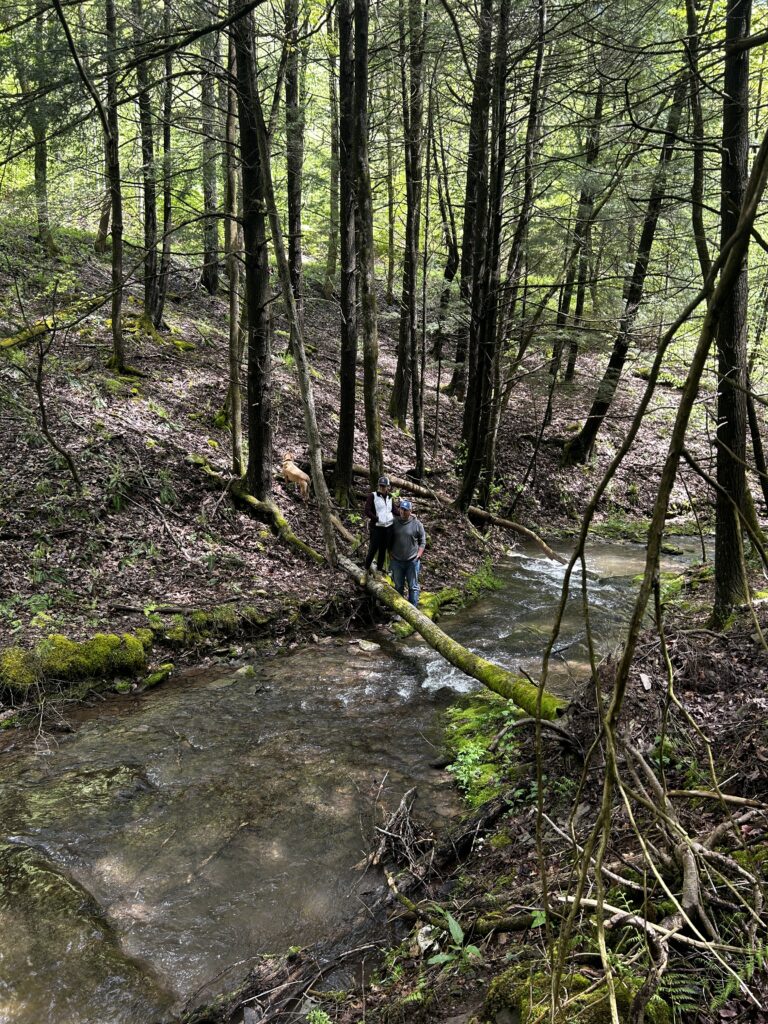
Trish, a mother of three homeschooled children, highlighted the importance of activities that bring her peace and balance, such as spending time in nature. Picture her family taking long walks, breathing in the fresh air, and grounding themselves in the beauty of their surroundings. This simple act of connecting with nature provides a sense of calm and perspective, essential during uncertain times.
Understanding Our Bodies Through Polyvagal Theory
I shared with my friends the Polyvagal Theory and how understanding the role of the vagus nerve can help us regulate our body’s responses. By affirming Trish’s intuitive self-care practices, I highlight activities that bring joy and relaxation can significantly impact our nervous system, aiding in better self-regulation during crises.
Adapting Self-Care Rituals for Neurological Issues
Julie shared her journey of adapting self-care rituals to manage neurological issues, such as mobility changes and sensory overload. Imagine the trial and error as she discovered methods like box breathing and maintaining a symptom calendar with her husband’s help. These tools not only assist in managing her health but also serve as a guide for her family to understand and support her needs better.
Meeting Sensory Needs in a Family Unit
Family dynamics play a pivotal role in maintaining a balanced home. Julie has an excellent approach to addressing sensory needs within her family, emphasizing the importance of finding solutions that work for everyone. This could mean creating quiet zones for overstimulation or engaging in activities that promote relaxation and connection for all family members.
Regulating Through Tasks and Structure
During crises, finding a sense of control is crucial. Trish and I discussed the power of to-do lists and completing tasks to regulate anxiety. Imagine Trish, amidst homeschooling and personal upheavals, finding comfort in simple tasks like completing errands or organizing her home. These activities provide a tangible sense of achievement, helping to bring order to overwhelming situations.

Lessons Learned from Crisis
One key takeaway from our discussion was the profound impact of crises on revealing our core values and what truly matters. Trish shared her experience of homeschooling through her husband’s sudden brain cancer diagnosis and a miscarriage. During such times, homeschooling shifted to survival mode, centered around family and faith. This helped them to focus on what was truly important, providing structure and support for their children.
Encouragement and Community
Despite ongoing health struggles, Julie emphasized the importance of community in homeschooling, finding strength and support within a network of like-minded families. This sense of community is invaluable, offering encouragement and practical support when navigating through difficult times.
In conclusion, while homeschooling through crises presents significant challenges, it also fosters resilience, adaptability, and deeper familial bonds. By embracing activities that bring peace, understanding our bodies through theories like Polyvagal Theory, and finding structured ways to regulate our anxiety, we can navigate even the most tumultuous times with grace and strength.
We invite you to join our continuing discussions and reach out if you resonate with our stories. Understanding that we are not alone in our struggles and finding communities that uplift us can make all the difference.
7 Steps for Finding Peace and Balance:
- Engage with Nature: Spend time outdoors to ground and calm your senses.
- Understand Your Body: Explore theories like Polyvagal Theory to aid in self-regulation.
- Adapt Self-Care Rituals: Find what works for you, such as breathing exercises or symptom tracking.
- Address Family Sensory Needs: Create environments that meet the sensory needs of all family members.
- Use Tasks for Regulation: Implement to-do lists and complete small tasks to gain a sense of control.
- Focus on Core Values: Let crises reveal what truly matters and focus your energies there.
- Build a Supportive Community: Connect with other families to share encouragement and support.
Let’s navigate this journey together, finding peace and strength in our shared experiences.

OT is IN #32: Homeschooling During Crisis: Finding Balance with Self-Care and Family Support
In this episode, I’m joined by two friends, Trish and Julie to talk about the world of self-care, sensory regulation, and the intricate dynamics of homeschooling during crises. Both have homeschooled through crisis and we are lucky to have them joining us to share their experiences today.
Trish will share how she finds peace and balance through nature and faith while navigating her family’s needs during her husband’s health battles. Julie opens up about her journey with chronic illnesses, sensory overload, and the innovative ways she adapts her self-care rituals to maintain balance. I’ll also share how understanding the vagus nerve can enhance our self-regulation practices.
In this episode you’ll hear about:
- Homeschooling through crises and maintaining balance.
- Trish’s Approach to Peace and Balance
- Importance of spending time in nature.
- Engaging with her faith as a self-care practice.
- Role of the vagus nerve in regulating the body’s responses.
- Trish’s intuitive self-care practices.
- Julie’s Struggles with Neurological Issues
- Adapting self-care rituals to cope with changes in mobility.
- Managing sensory overload and its sensations.
- Julie’s Sensory Overload Management
- Learning to advocate for oneself over time.
- Meeting Sensory Needs within a Family Unit
- Julie’s solutions for balancing her needs and her children’s.
- Using To-Do Lists to Regulate Anxiety
- Sense of control during homeschooling and crises.
- Completing tasks like going to the DMV during upheaval.
- Staying calm and maintaining a positive attitude.
- Crises revealing core values and what truly matters.
- Julie’s Challenges with Invisible Illnesses & difficulty in explaining symptoms.
- The husband’s role in tracking symptoms using a calendar.
- My suggestions for children struggling with interoception.
- Teamwork in Managing Illness
- Julie’s use of verbal processing.
- Impact of Family Needs on Trish’s Regulation
- Family’s needs for touch and conversation.
- Strategies to stay regulated.
- Coping with Husband’s Health Conditions
- Balancing family needs during crises.
- Maintaining structure and support during upheaval.
- Chronic illnesses and their impact on homeschooling and family life including multiple miscarriages, celiac disease, and neurological issues.
- Explanation of co-regulation and impact of nervous system reactions.
- Supportive community’s role in thriving despite chronic illness.
- Transition to survival mode during husband’s brain cancer diagnosis.
- Homeschool routine centered around family and faith after diagnosis.
- Emphasize the importance of self-regulation, community support, family balance, and faith during crises.
Links and Resources From Today’s Show
- Why Should I Seek Occupational Therapy?
- Self-Care & Sensory Regulation Tips for Parents
- Sensory Balanced Homeschool Focus Group
- What is The Polyvagal Theory?
- Homeschooling Through Grief
- Homeschooling Through Trauma
- Online Webinar: Trauma-Sensitive Homeschool
- Episode 16: Navigating the Interoceptive Sense: Insights and Strategies for Parents


