
Nurturing Interoception at Home: A Journey of Self-Awareness for Every Child
Parenting comes in various shades of challenges and achievements. In the landscape of homeschooling, some of these challenges involve nurturing not only the academic but the holistic development of our children, which often leads us into the intricate world of interoception. If the term seems new to you, imagine diving deep into the way our bodies perceive internal signals like hunger, thirst, heartbeat, and more. Yes, that’s interoception for you – our body’s internal GPS.

Organized Chaos in Learning
In our cozy homeschool environment, just like we nurture a garden, we endeavor to cultivate awareness of this hidden sense. Each child, unique in their developmental journey, offers us a new script on how interoceptive awareness unfolds. And if you’re envisioning a quiet room with children seated around, intently listening to the cues from their bodies, well, you might be in for a surprise.
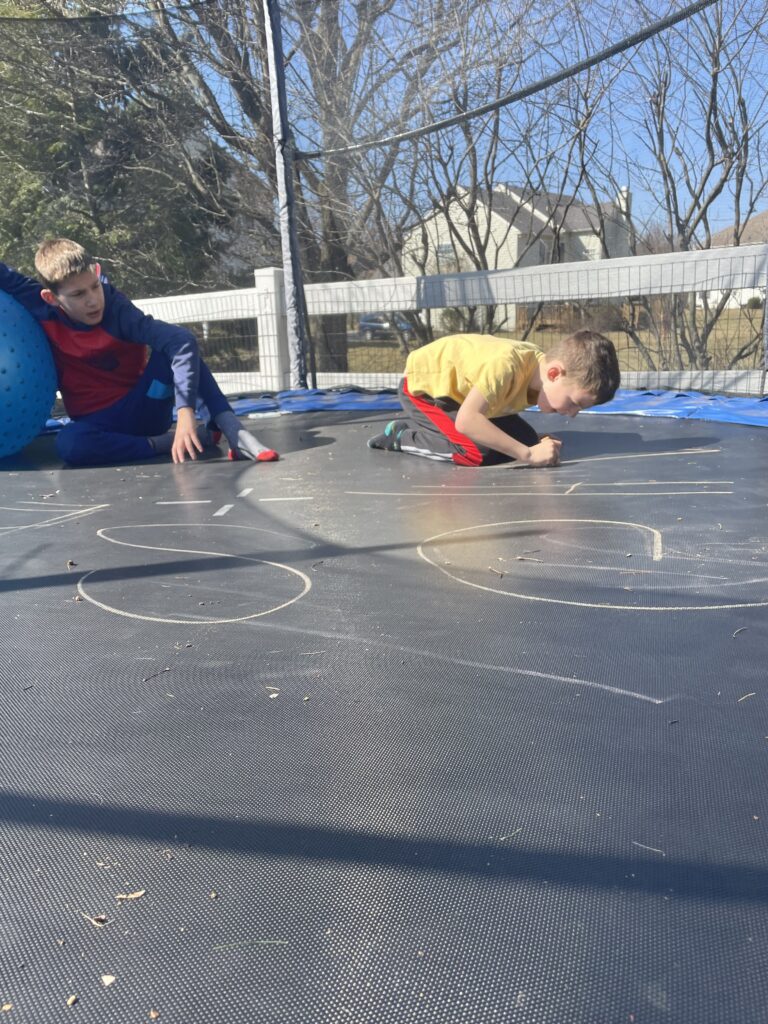
The reality often mirrors what we call organized chaos: children engaging in different activities, perhaps my youngest bouncing vigorously on a couch (trying to satiate his proprioceptive needs), while another might be deeply engrossed in a gripping session of video games. Each activity, believe it or not, plays a role in shaping their interoceptive sense.
Tailoring the Interoceptive Experience
Through the lens of my own experience as a mom and an educator, each of my children has taken distinct paths in developing this crucial sense. Let’s talk about modifications and strategies, echoing the needs of varying developmental stages, much like adapting handicrafts in a co-op.
For instance, my oldest, initially part of a bustling daycare routine, later showed signs of struggling with recognizing hunger or exhaustion. Does this sound familiar? When we pulled back and restructured our day around more homeschooling and less traditionally structured environments, avenues such as karate surfaced. Karate not just harnessed her proprioceptive and interoceptive senses, but also neatly tied in with discussions on hydration and nutrition.

Interactive and Adaptive Tools
Dialing down to our middle child, his journey swirled around understanding body cues through a playful yet structured approach – the Zones of Regulation. Adapting lessons to include tangible objects like a Lego figure corresponding to his emotional zones (blue for sluggish, red for overwhelmed, etc.) provided him the tools to self-regulate. This insight led us to intersperse our homeschool day with bursts of necessary movement, syncing beautifully with our academics.
On the youngest front, surrounded by this knowledge since his toddler days, he has been a keen observer and an articulate participant, unfolding his vocabulary from “good” to “spectacular.” Here’s a twist though – his increasing draw towards video games brought forth challenges in maintaining this awareness, compelling us to undertake periodic screen fasts to recalibrate.
The Personal Touch in Each Child’s Experience
For parents navigating this realm, think of fostering interoceptive awareness as crafting bespoke handicrafts. Each child’s interoceptive canvas needs varying tools – some need the rhythmic movements of physical activities, some resonate well with structured programs like Zones of Regulation, and others might find clarity through scientific explorations of anatomy.
It’s about finding that sweet spot where chaos transforms into a symphony of self-awareness and well-being. So, embrace the organized chaos, adapt the difficulty levels in nurturing this hidden sense, and watch as each child uniquely tunes into the whisperings of their body.
Embracing the Journey
And remember each interoceptive journey, though uniquely challenging, is ripe with opportunities to bond, educate, and empower our children, paving their way toward emotional resilience and conscious well-being. Here’s to exploring this fascinating avenue in the nurturing confines of our homes!
Feel free to share your experiences and tips on nurturing interoceptive awareness in the comments below!
OT is IN #16: Navigating the Interoceptive Sense: Insights and Strategies for Parents
In this episode, I’ll be sharing personal insights and examples from my own experience homeschooling my children, shedding light on how interoception develops from infancy through childhood and how it can significantly impact our well-being.
We’ll discuss practical strategies that can be used at home to nurture this vital sense and reflect on the challenges and successes my children have faced in their interoceptive growth journey, including the influence of modern technology like screens.
Join us as we dissect these topics to better understand how we can help our children, and ourselves, fine-tune this internal compass. Stay tuned, subscribe, and dive into the intricacies of human perception with us.
In this episode you’ll hear about:
- Definition and importance of interoception
- How interoception affects internal state awareness, such as hunger, thirst, and emotional state
- The early development of interoception in infants and the role of caregivers
- The progression of interoceptive awareness as children grow
- Influence of factors like genetics, environment, and early experiences on interoceptive development
- Use of structured programs like the Zones of Regulation
- Implementation of movement and physical activities in daily homeschooling
- Importance of routine and sensory inputs in developing interoception
- Challenges faced due to screen time and its influence on interoceptive awareness
- Specific observations of behavioral shifts related to screen use
- Observations and insights gained from reducing screen time with interoceptive awareness
Links and Resources From Today’s Show
- Guiding Questions to ask Your child to build Interoception Awareness
- Reset Your Child’s Brain: A Four-Week Plan to End Meltdowns, Raise Grades, and Boost Social Skills by Reversing the Effects of Electronic Screen-Time
- How to Integrate the Zones of Regulation At Home
- The Emerging Science of Interoception: Sensing, Integrating, Interpreting, and Regulating Signals within the Self
- Unveiling the role of OT in Homeschooling
- Understanding Occupational Therapy: Clinic Expectations and Sensory Approaches
- Navigating Vision Challenges in Homeschooling: A Parent’s Story
- Sensory Balanced Homeschool Focus Group