
Reading Aloud Developmentally: A Neuroscience-Informed Perspective for Homeschool Families
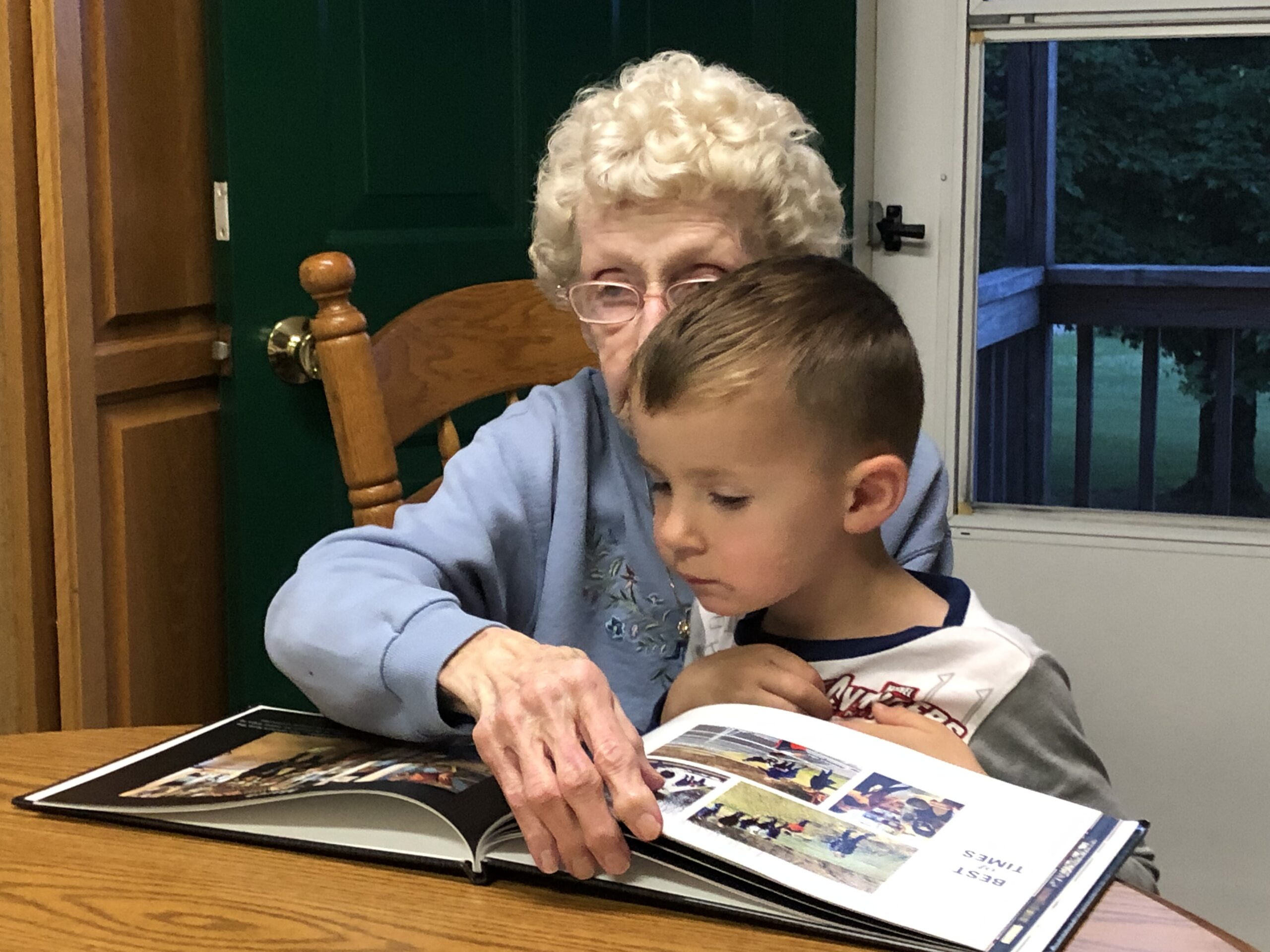
Homeschool parents carry the unique role of supporting both learning and connection at home. Read alouds may seem simple on the surface, but they often become one of the most powerful rhythms in a family’s day.
From an occupational therapy perspective, reading together creates a natural kind of support that helps children grow into new skills over time. Parents model language, curiosity, and emotional connection first, then gradually invite children to take more ownership as they are ready.
Research in both education and neuroscience shows that children learn best when support meets them right where they are. Reading aloud allows families to share complex stories, rich language, and meaningful conversations without placing all of the pressure on a child to perform independently.
Why Read Alouds Support Learning and Connection
Neuroscience tells us that children learn best when they feel emotionally safe and engaged. When stories are shared in a relaxed, connected environment, the brain becomes more open to language, memory, and deeper thinking.
Researchers often talk about learning happening in the “just right” zone. A task needs to feel challenging enough to spark curiosity but not so difficult that a child shuts down. Reading aloud naturally supports this balance.
Children can experience rich vocabulary, complex stories, and emotional themes without the pressure of decoding every word themselves. This allows them to stay connected to the story and to the person reading with them.
For many families, the real power of read alouds is not just literacy. It is shared experience.
Stories become inside jokes. Characters become part of family language. Conversations about books often open doors to conversations about identity, belonging, and growing up.Why does this work? Neuroscience research highlights that learning is most effective when difficulty is “desirable” (Janet Metcalfe, 2011) — challenging enough to spark effort but not so hard that a child shuts down. Reading aloud is such a practice for many children: it brings emotionally engaging stories and complex vocabulary without requiring a child to decode every word on their own.
Reading Aloud as Support That Grows With Your Child
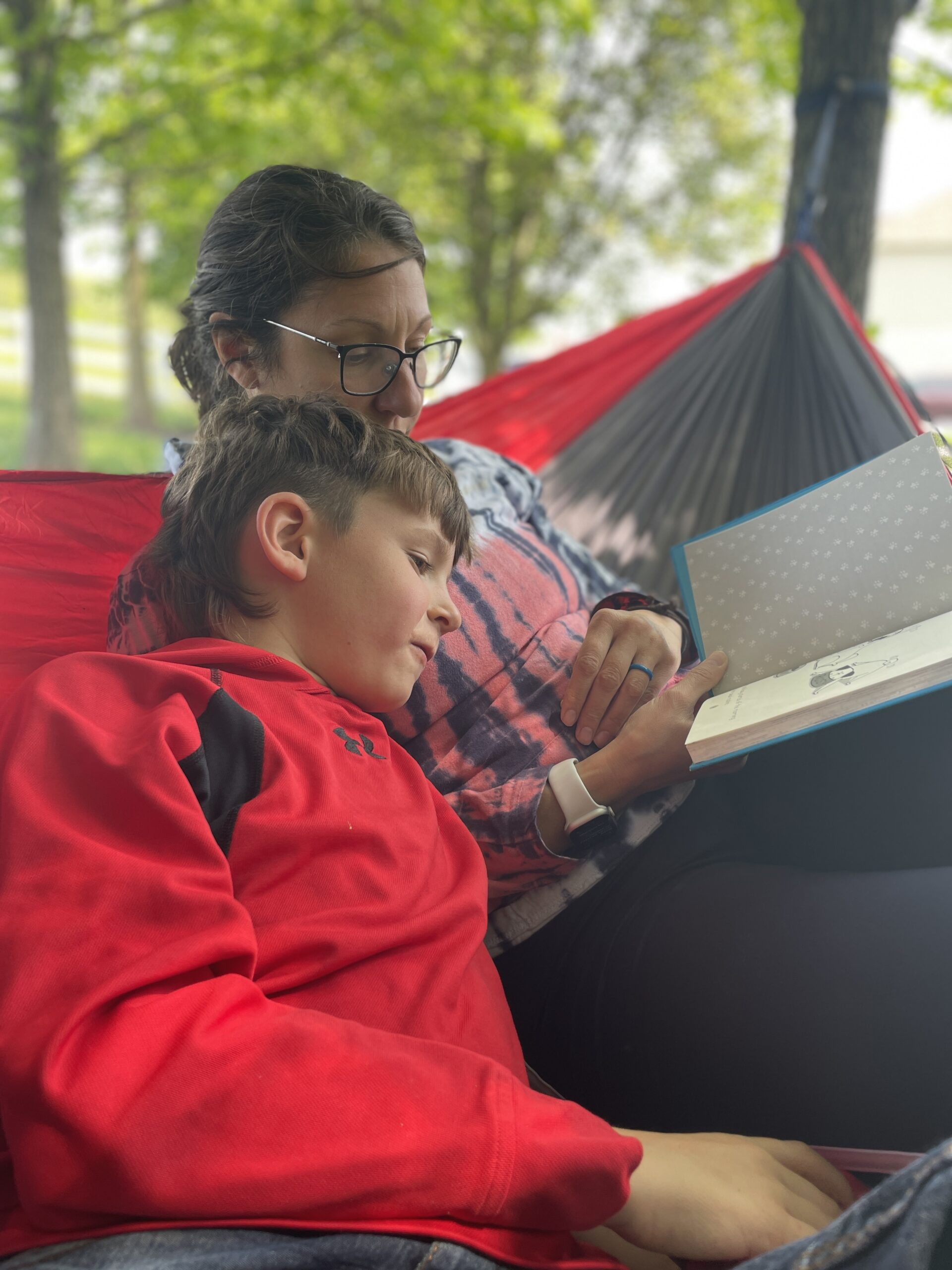
In this episode of OT is IN, I spoke with homeschool mom and writer Amber Johnston of @heritagemomblog about how read alouds can become a steady anchor in family life. She shared how, in the early years, she carried most of the reading while her children listened and experienced stories together. As they grew, participation naturally shifted. Sometimes they read a character’s voice, sometimes they simply listened, and often the richest moments happened in the conversations that followed.
This gradual change reflects what both education research and occupational therapy remind us. Children grow into independence when support evolves alongside development.
In practice, this might look like a parent reading while a child listens and draws, taking turns reading small sections, or allowing listening to remain the primary role during certain seasons. The goal is not to rush independence, but to keep connection strong while skills grow naturally.
The Role of Emotion in Language Development
Language grows most powerfully when it is connected to real experiences and shared emotion. Research in language development shows that children benefit from exposure to rich language inside meaningful interactions rather than isolated drills (Rowe, 2012; Sénéchal & LeFevre, 2002). When stories are read aloud, vocabulary is tied to characters, feelings, and family connection, which helps language stick in a deeper way.
Amber shared a moment when her daughter cried after finishing a beloved book. It was not only about the story ending. It was about the shared experience coming to a close. That emotional connection often strengthens comprehension because children remember language that is connected to relationship and meaning.
This can be especially supportive for gestalt language processors, who often absorb language in larger, emotionally meaningful phrases rather than individual words. Read alouds naturally create this kind of environment, allowing children to experience language as part of connection rather than performance.
When Read Alouds Feel Different
Sometimes reading together starts to feel tense or uncertain. Children may pull away, want to move while listening, or show less interest than before.
This does not mean connection is lost.
It may simply mean that development is asking for a new rhythm.
Instead of turning read aloud time into a performance or a skill test, families can shift toward flexibility.
Call it story time instead of reading practice.
Invite participation without pressure.
Allow listening, movement, or quiet presence to count as engagement.
Practical Ways To Support Connection
- Anchor your day with a predictable read-aloud time; let shared stories become part of your family culture.
- Allow children to participate at varying levels: listening, chiming in with phrases, reading a single character, or re-telling the story.
- Model mistakes and emotional responses openly; narrate your process of figuring out an unfamiliar word.
- Frame reading together as relationship-building, not a test.
- Celebrate effort and participation, not just outcomes.
Encouragement for Thoughtful Parents
From an OT perspective, read alouds are not just a literacy strategy. They are a relational practice that supports identity, communication, emotional regulation, and family connection.
As your child grows, the way reading looks may change. That does not mean the connection is fading. It often means it is deepening.
And sometimes the most powerful thing a parent can do is keep showing up with a story, allowing it to evolve alongside their child.
PS. Try out the companion guide and talk it out with other parents because homeschooling is NOT alone schooling.
OT is IN #89: The Emotional Power of Family Reading: Fostering Vocabulary and Connection
If you’ve ever wondered whether reading aloud to your kids really matters once they’re past the early years—or found yourself worrying that reading together is becoming stressful or too focused on performance and skill—this episode is for you.
Today, we’re exploring how read-alouds shift as children grow, and why this tradition remains deeply relevant for homeschool families at every stage. You’ll hear honest observations on how shared story time builds not just vocabulary, but emotional connection, family culture, and a sense of roots—regardless of how well your child reads or how old they are.
In this episode you’ll hear about:
- How perspectives and priorities shift as children grow older.
- The difference between connecting with peers in similar life stages and seeking mentorship from those ahead.
- The unique challenges of finding relevant mentorship as times and educational requirements change.
- The ongoing value of shared experiences in parenting and homeschooling.
- Mentorship and Community in Homeschooling
- Reading Aloud as a Family Tradition
- Foundation and evolution of reading aloud in the Johnston family.
- Using stories to explore heritage, diversity, and family background.
- Sharing stories as a communal learning experience.
- The Role of Reading Aloud in Family Connection
- The continued importance of reading aloud, including with teens, even as participation shifts.
- Shared Language, Family Lexicon, and Vocabulary Development
- The benefits of reading aloud for both parents and children, including pronunciation and vocabulary acquisition.
- Language Processing and Learning Differences
- Addressing Reading Challenges and Expectations
- Advice for parents whose children are averse to reading independently.
- Navigating Changes as Children Gain Reading Independence
- Emotions and dynamics when kids begin reading independently and the parent is no longer central.
- The need for parents to adjust and expand the types of books shared aloud with older kids.
- Handling feelings of being left out as children have new experiences and knowledge.
- Knowing When to Abandon Books
- Situations where it’s okay to stop reading a book that isn’t resonating with the family.
- The balance between persistence and letting go of unenjoyable reads.
Links and Resources From Today’s Show
- Download The Companion Guide For Why Reading Is Hard And What To Do About It
- Why Should I Seek Occupational Therapy?
- Connect with Sarah Collins on IG
- The Homeschool OT Teachers Pay Teachers
- Check Out Our Title Sponsor Lovevery
- Learning RX Website
- Episode 8: Kaleb’s Story
- Episode 9: The Impact of Music on Executive Functioning: A Homeschooling Perspective
- Episode 10: Streamlining Your Space: Organizing for Better Executive Functioning
- Episode 11: Exploring Unique Learning Paths in Homeschooling with Guest Amy Bodkin
- Episode 12: Executive Functioning in Homeschooling: A Teenager’s Experience with Organization and Planning
- Episode 44: Prioritizing Slow in Homeschooling: A chat with Leslie Martino
- Episode 72: Navigating Sibling Sensory Needs and Homeschooling Wins and Fails
Thank you to our title sponsor for this episode, Lovevery. You can check out their products and resources here.
Connect With Our Guest Amber O’Neal Johnston
Amber O’Neal Johnston is an author, speaker, and world schooling mama who curates a life-giving, culturally rich home education for her four children—and encourages others to do the same. She champions the use of books and lessons that reflect the lived experiences of children and introduce them to lives and cultures beyond their own, offering both “mirrors and windows” through the power of story. She is the author of A Place to Belong, a guide for raising kids to celebrate their heritage, community, and the world, and Soul School, a masterfully curated collection of booklists that explore the fullness of the Black American cultural experience. Amber is also the editor of Homegrown, a collaborative work offering guidance and inspiration for navigating the homeschooling journey.


