Help! My child won’t sit
“Help! My child won’t sit!”
When this exclamation is posed to me as a homeschool mom and occupational therapist, my first response is, “when do you need them to sit?”
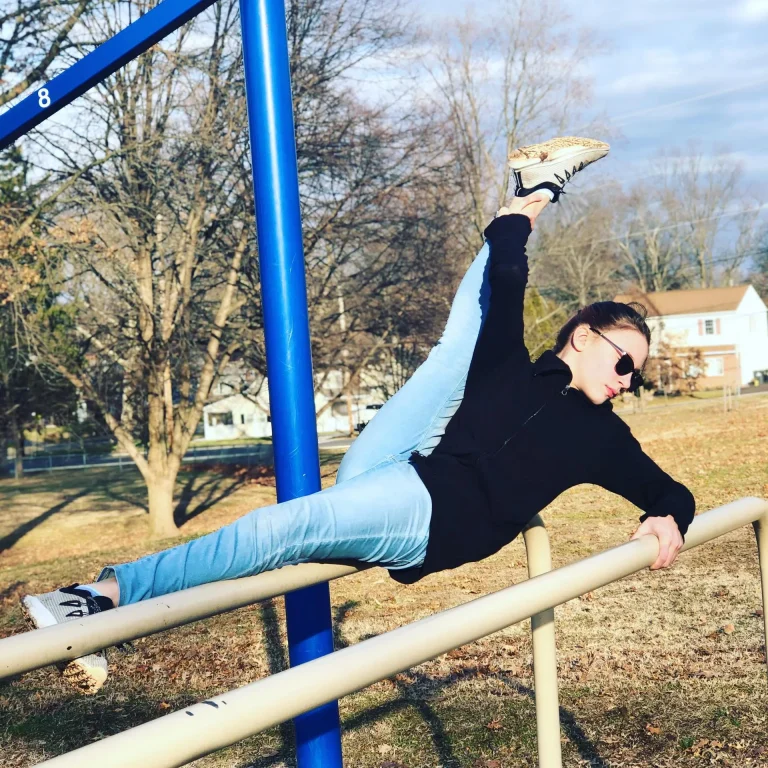
Research shows movement during learning not only influences physical health but also literacy, children’s emotional well-being, and it enhances motor performance (Franksman, 2018). As a result, I often advocate for moving throughout lessons and in between subjects.
However, there are a few times when a child really needs to sit, both because of safety.
- riding in a car
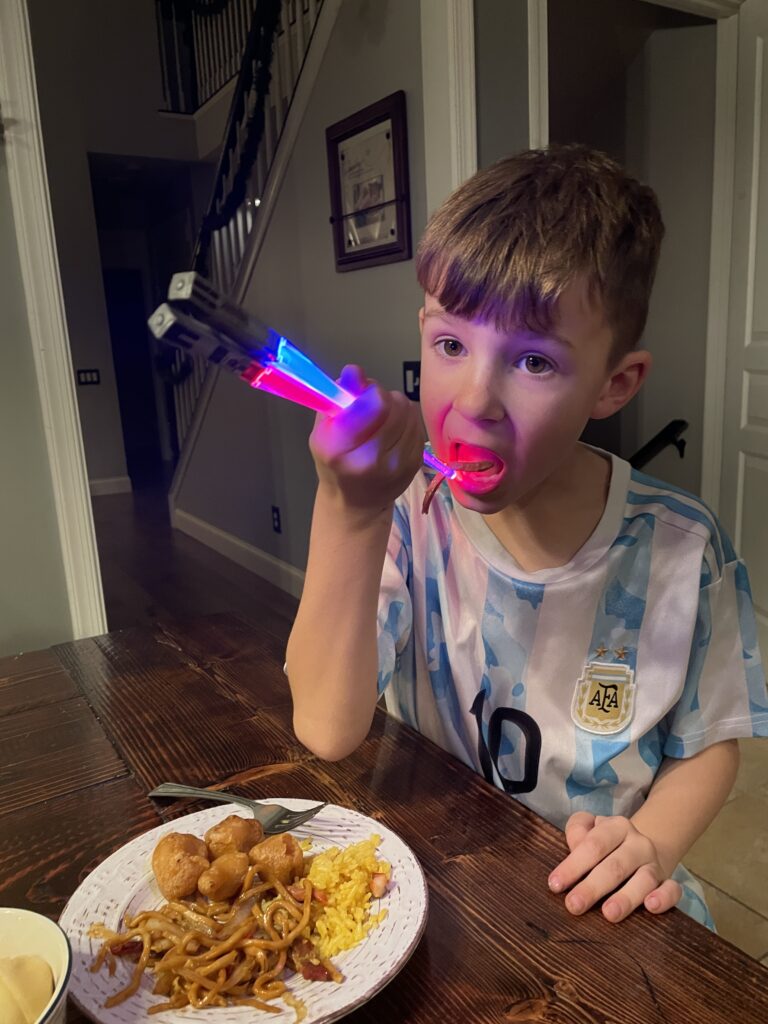
- eating
Sitting to ride in a car is self-explanatory. Sitting to eat influences the child’s ability to focus on coordination both with hand to mouth as well as chewing and swallowing (VanLaar, 2018).
In our home, we increase the willingness to sit by addressing our environment.
Posture-
the proper position should be 90-90-90. This means 90 degree angles at hips, knees, and ankles with supported feet. Though this often prevents wiggles, sometimes my kids need bungee cords or theraband on the bottom of chairs to provide resistance when kicking. This resistance provides proprioceptive information to the brain and the heavy work can help calm the sensory system.
Atmosphere-
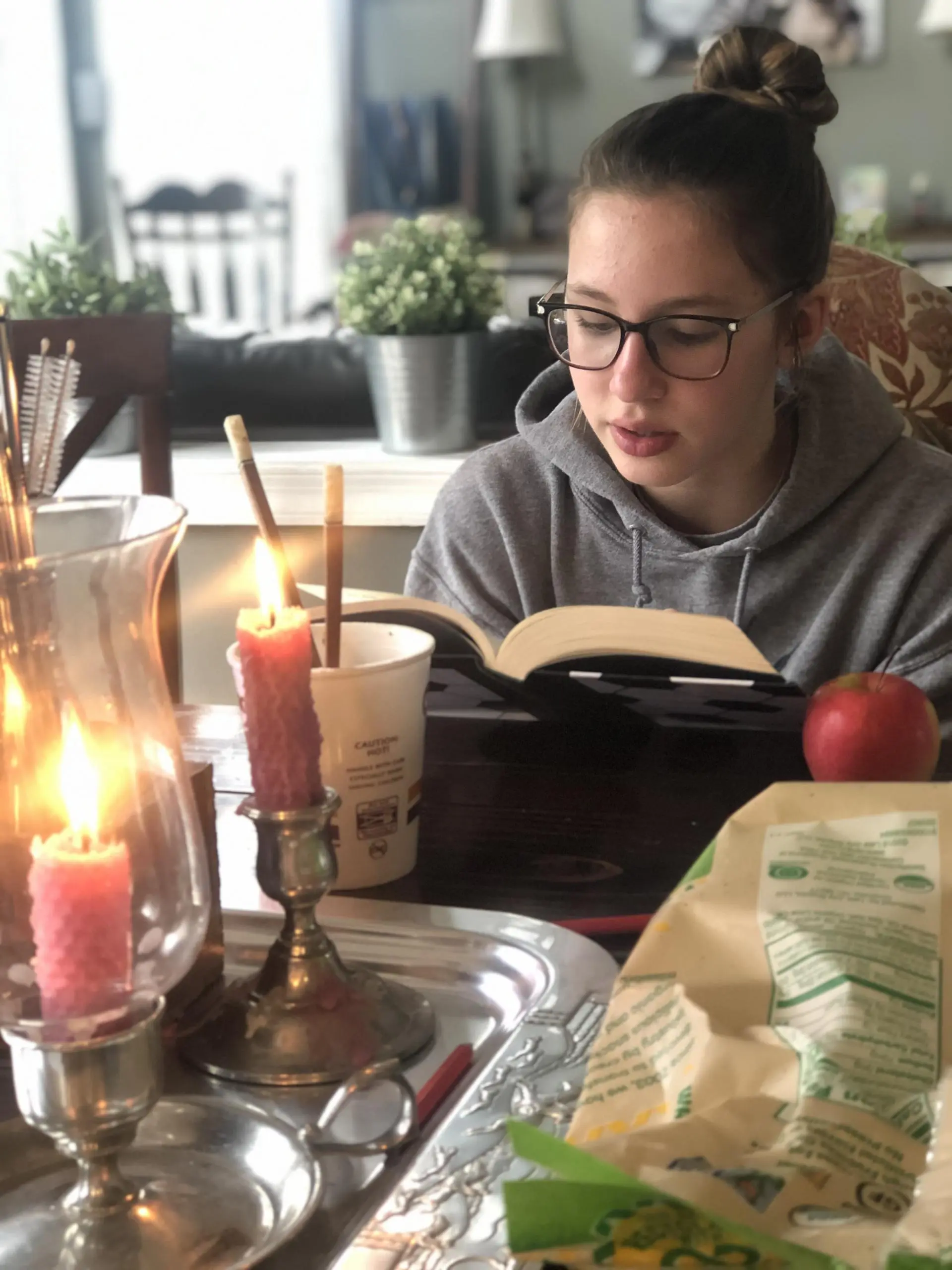
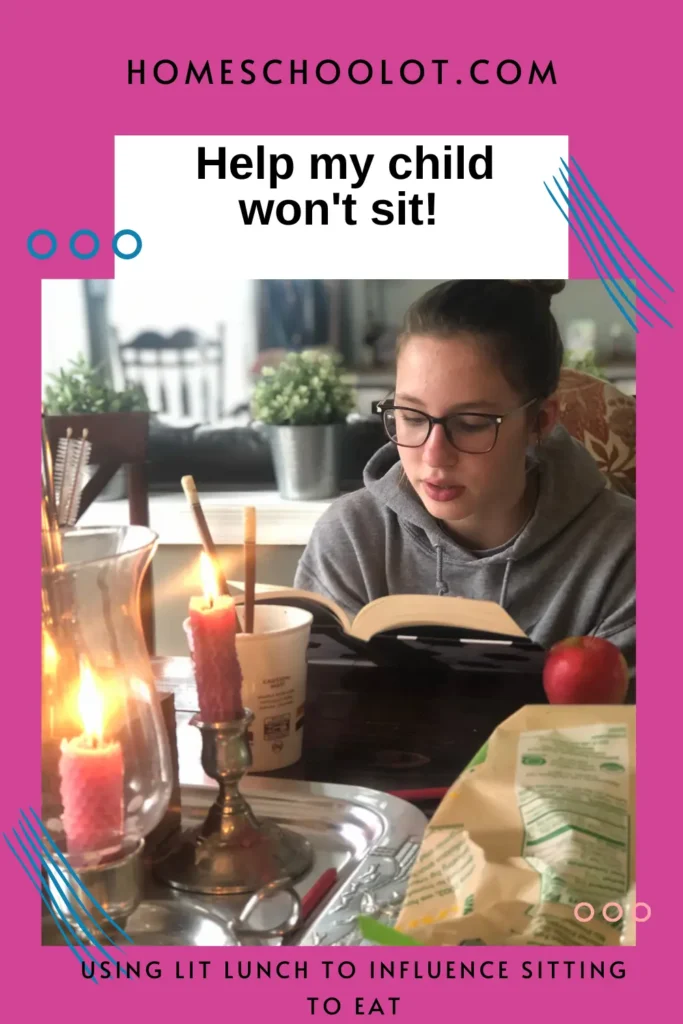
Though this picture may have some fancy elements, lit lunch is a very simple concept that provides a calm and welcoming invitation to sit and eat. If you look closely, you see the cup of noodles and bag of tortilla chips. Yes, we want nourishing food but, the connection and conversation around the table is just as important as what is consumed at the table.
Initially inspired by Elsie Iudicello from Farm House School House, our family now reads/ listens to literature with candles at lunchtime. By the time lunch rolls around, children have spread out in our home completing individual work, chores outside, and probably new lego creations.
We rejoin together with hungry bellies and full brains. Knowing we settle together with good books to provoke conversation in a peaceful atmosphere helps to refocus the day and prepare for the afternoon.
In her book, The Lifegiving Table, Sally Clarkson says, “Through the revolving seasons, the lifegiving table remains a constant- but only if we hold to the vision that each moment is packed with potential for life-changing conversations and relationships.” What better way to connect than books and food?
We typically rely on the library for our books but some free sites for audio books that we have personally used are
- All you can books
- Open Culture
- Librivox
- Free Childrens Stories– this also has books in Spanish
Though there may not be many instances where sitting is required, meal times are one. I hope you can use a beautiful atmosphere to influence safety and connection during meal times.
If you would like to hear more answers to “Help, my child won’t sit”, I would love to help by consulting specifically with your homeschool using my OT/homeschool mom background or speaking to your homeschool group.
References:
American Occupational Therapy Association. (2020). Occupational therapy practice framework (4th ed.). American Occupational Therapy. https://doi.org/10.5014/ajot.2020.74S2001
Clarkson, S. (2017). The Life Giving Table. Tyndale House Publishers: Illinois.
Franksman E., and Gilbert J. ( 2018). The Brain Body Connection: Advocating for Physical Movement in Schools (46,1). Dimensions of Early Childhood. https://openlab.bmcc.cuny.edu/ece-110-lecture/wp-content/uploads/sites/98/2019/11/Franxman-Gilbert-2018.pdf
VanLarr, Megan (2018). Sitting for Mealtimes. https://enrichmenttherapies.com/seating-for-mealtimes/