
Discover Effective Holiday Planning and Executive Functioning Tips
As parents, guiding our children through their executive functioning development can sometimes feel like a chaotic endeavor. Balancing routines, managing impulsivity, and teaching planning skills often require patience and creativity. But how do we navigate this, especially during the bustling holiday season?
Real-Life Activities as Learning Platforms
My recent conversation with parenting coach, Marnie Love offers insights into integrating crucial executive functioning skills into everyday activities. Let’s look at how we can transform the chaos into productive learning opportunities. During the holiday season, we can adopt a family-centric approach to build executive functioning skills, emphasizing practical, engaging activities.
Avoiding Overwhelm with Priority Planning
One of the first steps in planning is to hold family meetings. These gatherings become vital in prioritizing activities, such as Christmas light tours and festive movie nights—importantly, leaving behind traditions that no longer serve us, like our annual visit to “The Nutcracker.” By collectively deciding what activities truly matter, we avoided an overcluttered holiday schedule.
Strategy and Structure: Tools for Success
Let’s delve into some practical strategies:
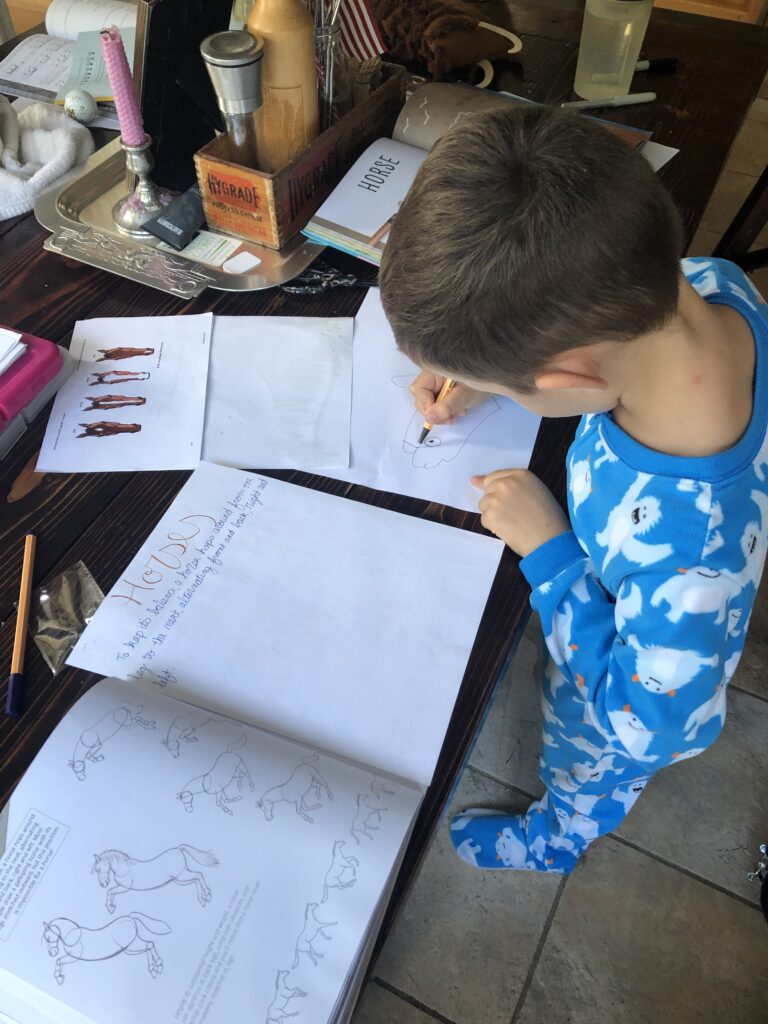
- Travel in Pajamas: Yes, it’s as simple as it sounds. To simplify post-trip routines and manage nighttime excitement, our younger children travel in pajamas, reducing stress upon arrival back home after driving around to see Christmas lights.
- Portable Whiteboard Checklists: Visual reminders can be a saving grace. A flexible whiteboard checklist helps my children visualize and manage their preparations, instilling a sense of responsibility and organization in a fun way.
- Music as a Timer: This might be a game-changer for many! Incorporating specific songs in our playlists helps structure time. The kids know exactly where they should be in their routines based on the progress of the playlist.

Routine Review: Metacognition and Time Management
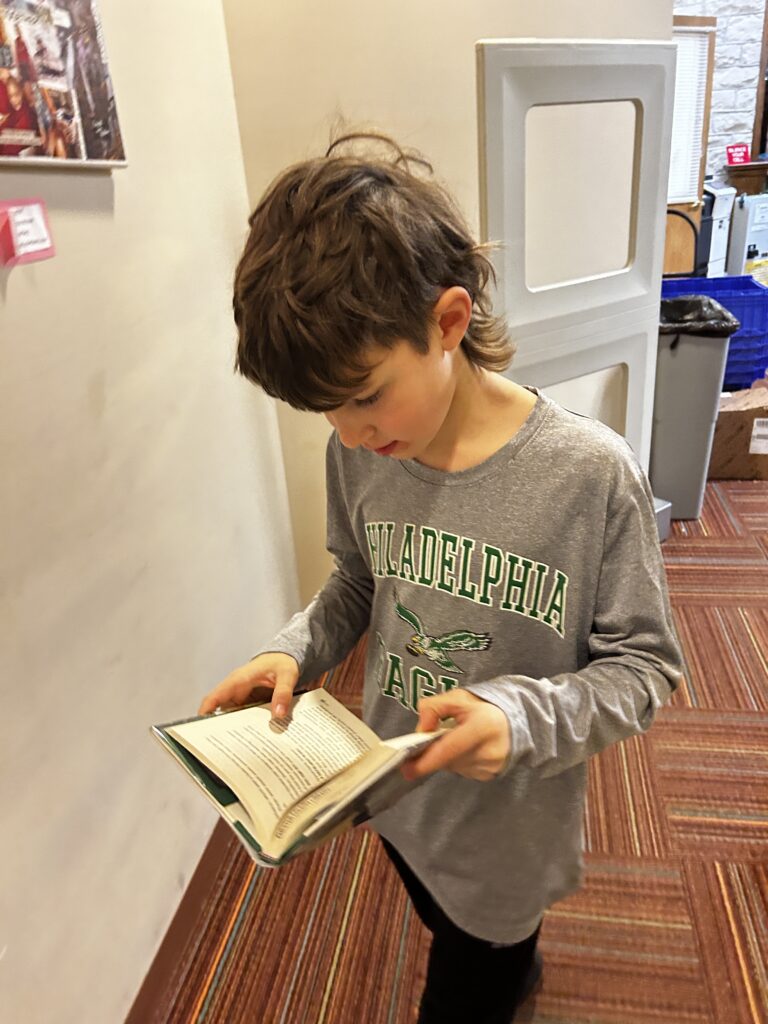
Planning ahead isn’t just about the immediate tasks. It’s a long-term investment in our children’s executive functioning skills. We emphasize metacognition—”thinking about their thinking.” For example, my son’s “flat hawk” routine involves laying out his cross-country uniform the night before, an essential exercise in forethought and preparation.
Encouraging Positive Development
Reflecting on their experiences, we encourage our children to voice what they find challenging. This practice of feedback not only boosts communication but also helps them tackle broader issues such as procrastination more effectively. Celebrating small victories, like our middle son’s success in preparing work ahead of time, reinforces intentional improvement through positive reinforcement.
Building Emotional Regulation and Respect
During festive outings, we align with the Connected Families framework to set behavior expectations—whether managing excitement during a Christmas light tour or ensuring respectful interactions in crowded settings. It’s about empathizing and validating their feelings while providing guidance on safe and appropriate behavior.
Reflection and Intentional Actions
Seasonal activities offer a unique backdrop for developing executive functioning skills that extend beyond the holidays. Our journey involves continuous reflection and intentional actions, ensuring that our children grow into responsible, self-aware individuals equipped with the skills to navigate life’s complexities.
As we embrace the holiday season, let’s harness the power of practical activities to enhance our children’s executive functioning skills. With patience, creativity, and consistent effort, we can transform the festive chaos into an enriching learning journey.

OT is IN #42 Executive Functioning Skills for Families: Holiday Edition
In today’s episode, I’m joined by Marnie Love, a seasoned homeschooling mom, certified parenting coach, and advocate for executive functioning skills. Marnie, who has been navigating the homeschool landscape for over two decades, shares her wealth of experience and insights, particularly within the “Connected Families” framework.
Join us as we chat about co-regulation, executive functioning, and explore how these concepts play out in everyday parenting—especially during the bustling holiday season. Learn about practical strategies to prepare children for the excitement and challenges of the holidays, including response inhibition, positive reinforcement, and the “if-then” approach to manage behavior empathetically and effectively.
We also discuss the importance of self-reflection for parents, the benefits of homeschooling, and how to create a balanced holiday schedule that honors your family’s unique needs. Don’t miss the valuable takeaways for integrating executive functioning skill development into daily life, ensuring both safety and joy amidst the festive chaos.
In this episode you’ll hear about:
- Co-Regulation and Executive Functioning
- Overview of response inhibition and managing impulsivity.
- Marnie’s personal experiences with the Connected Families Framework.
- Use of empathy and the “if-then” approach to behavior correction.
- Positive reinforcement and retrying situations to build skills.
- Managing a child’s behavior with understanding and patience during Christmas activities.
- Emphasis on emotional regulation.
- Integrating Executive Functioning in Daily Life
- Importance of developing executive functioning skills beyond seasonal activities.
- Observing if tasks are challenging due to their nature or broader skills.
- Recognizing difficulties and asking for child feedback.
- Avoiding crowded areas and planning early visits.
- Preparation details: cars, snacks, hot chocolate, weather considerations.
- Family Roles and Contributions
- Strategies to simplify routines like traveling in pajamas.
- Setting expectations for behavior, safety, and fun.
- Executive Functioning Skills in Focus
- Metacognition: thinking about thinking.
- Time management: reverse planning and facing challenges with time perception.
- Planning strategies: night-before preparations and checklists.
- Use of Music and Visual Aids for executive function support
- Routine management through music playlists.
- Use of portable whiteboard checklist as a visual reminder.
- Introduction to Connected Families: integration of brain science, trauma-informed parenting, and gospel teachings.
- Importance of parent self-reflection on executive function skills.
- Marnie’s Background and Homeschooling Experience
- Benefits of homeschooling for children with unique learning paces and brain breaks.
- Marnie’s role as a certified parenting coach.
- Use of real-life activities in education.
- Holiday Planning and Executive Functioning
- Family meetings to prioritize holiday activities.
- Avoiding overloaded holiday schedules.
- Utilization of the “Smart but Scattered” model for planning and organizing skills.
Links and Resources From Today’s Show
- Why Should I Seek Occupational Therapy?
- Reverse Planning Guide from Homeschool OT
- What is Executive Functioning? Course from Homeschool OT
- Executive Functioning Skills in Holiday Activities
- Episode 29- Parenting with Co-Regulation
- Episode 30- Sensory Processing and Co-Regulation: Insights for Parents
- Episode 31- Cultivating Calm: Understanding Nervous System Dysregulation in Children and Practical Solutions for Parents
- Episode 40- Crafting Holiday Memories while Building Handwriting Skills
- Episode 41- Building Your Support Network as a Homeschooling Parent Especially during the Holiday Season
- Marnie Love’s website
- Connected Families Framework