

Navigating the Beautiful Chaos: Integrating Social Emotional Learning into the Homeschool Day
Imagine a typical homeschool day: perhaps it starts with breakfast, followed by science experiments in the backyard, and wraps up with storytime. Each of these moments, though primarily academic or leisure in nature, holds a tremendous opportunity for introducing social emotional learning into your child’s day.

As homeschooling parents, weaving core subjects like math and language arts into our daily routine comes with its own set of challenges, but integrating social emotional learning often seems like another hurdle. However, with purposeful activities and conscious awareness, social emotional learning can be seamlessly integrated into our everyday activities with our children, as suggested by Elizabeth Sauder in our recent discussion
A Morning of Mindfulness
Start your day with a touch of mindfulness using simple, sensory experiences as a way to ground children and connect them to their bodies. For instance, during breakfast, encourage your children to feel the textures, smell the aromas, and really taste their food. Such activities can help amplify their interoceptive awareness—those internal cues that teach us about hunger, fullness, rest, and more—which is a cornerstone of self-regulation and emotional health.
Lessons in Emotional Literacy through Literature
As your day progresses, dive into the books scheduled in your curriculum. Similar to how Elizabeth encourages using characters in stories to identify and discuss emotions and social situations, you can use any reading material as a springboard. Ask your children how they think a character is feeling during a pinnacle moment or if they have ever felt the same way. This not only enriches their emotional vocabulary but also enhances empathy, a critical social skill.
Art with Purpose
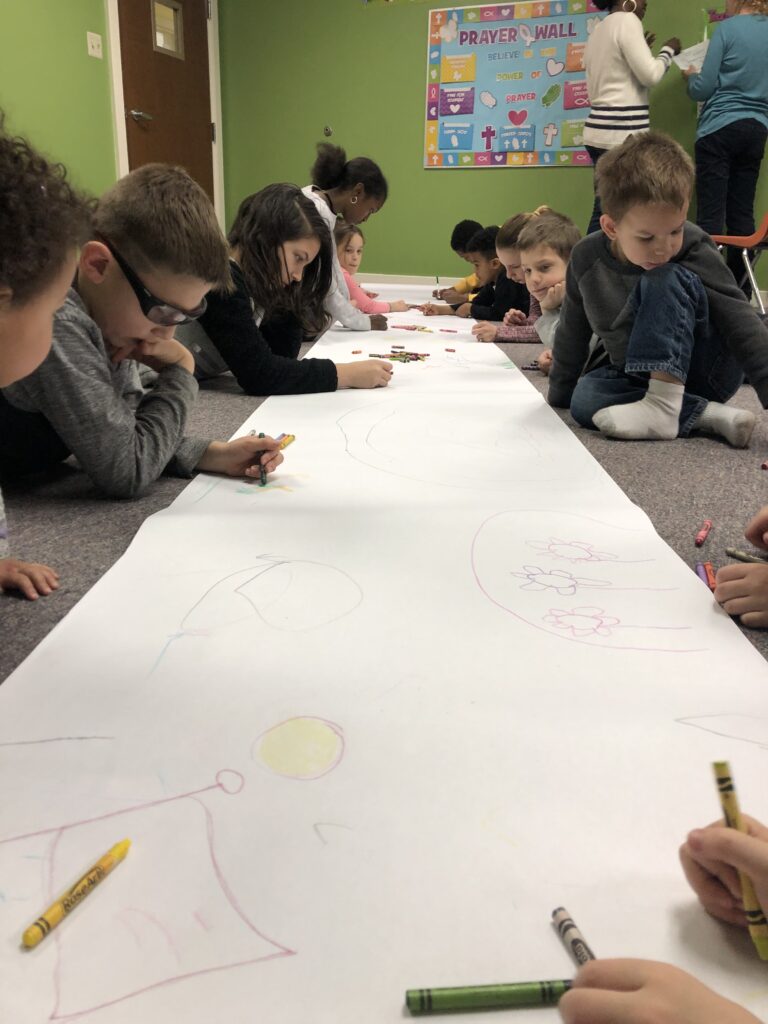
Incorporate art projects that do more than just encourage creativity. Choose activities that allow for emotional expression. Painting or crafting can be incredibly therapeutic and a fun way to explore emotions. Children can use colors and patterns to express feelings they might not yet have the words for. This represents a dual-fold benefit: engaging in a beloved handicraft while fostering emotional expression and self-awareness.
Reflecting and Connecting
End the day with a family reflection time, akin to what Elizabeth has structured in her family journaling resource. You might discuss what everyone is grateful for or share highs and lows of the day. These moments of connection not only reinforce family bonds but also help children process their day and recognize their emotional states, which is essential for emotional regulation.
Remember, each part of your homeschool day holds the potential to bolster your child’s social and emotional development. Whether through planned activities or the spontaneous teachable moments that arise, every experience is an opportunity to support your child in becoming a well-rounded individual.
Embrace the organized chaos that often accompanies teaching multiple children or managing a co-op. Just as in our crafting sessions where children of various ages and skills come together, Social emotional learning can be adapted to fit the needs of each child, ultimately weaving a rich tapestry of emotional and social growth that will serve them for a lifetime.
OT is IN #15: From Morning to Night: Incorporating Social Emotional Learning in Homeschool
Navigating the world of homeschooling can be as rewarding as it is challenging, particularly when it comes to incorporating social emotional learning (SEL) into the daily curriculum. In the latest episode of our podcast, “The OT is in,” we had the pleasure of speaking with Elizabeth Sautter, an expert in social emotional learning and a speech pathologist who specializes in supporting neurodivergent children. This episode is a resource goldmine for homeschooling parents looking to seamlessly integrate social emotional learning into their daily routines.
In this episode you’ll hear about:
- Importance of Social Emotional Learning in everyday activities and routines.
- Elizabeth’s resources are targeted primarily to parents of neurodivergent children.
- Integration of social emotional learning in natural routines.
- The connection between bodily sensations and emotional states.
- The relationship between the interoceptive system and the management of social and personal responses.
- Specific social emotional learning strategies and tools like the PACE acronym.
- Integration of social emotional learning into regular activities such as meals, play, and travel.
- Elizabeth’s book and its structure, focusing on different settings like home, community, holidays, and bridging home with school.
- The use of literature and storytelling to teach emotional identification and empathy.
- Activities and tasks from the book aimed at enhancing social emotional learning.
- Utilizing journals and coloring books to foster mindfulness and gratitude.
- Practical exercises for families to incorporate mindfulness in daily routines.
- Common parental concerns about prioritizing daily tasks and integrating social emotional learning effectively.
- How caregivers can use Elizabeth’s tools to assess and respond to emotional cues in children.
Links and Resources From Today’s Show
- Fundamentals of Social-Emotional Learning
- Bridges Learning System
- What To Do When Your Child Is Having A Hard Time: Nurturing Neurodiversity, Morning, Noon and Night
- Social and Emotional Learning Resources from Elizabeth Sautter
- Practical Activities to Boost Executive Functioning for Kids and Teens
- Adding Art to your Homeschool
- Adding Literature to Lunchtime
Connect with our guest, Elizabeth Sautter
Elizabeth A. Sautter, MA, CCC, is a speech-language pathologist/social emotional expert, speaker, author, and trainer. She is the author of Make Social and Emotional Learning Stick! Practical activities to help your child manage emotions, navigate social situations & reduce anxiety, along with many other resources, including an online course and community for parents. Elizabeth collaborates with the Zones of Regulation team as a trainer and is a co-author of the Zones children’s books, card decks, and games. She is also part of the EveryDay Regulation team with the focus on providing neurodiversity affirming resources for whole body regulation. She loves to connect on Instagram @elizabeth.sautter , Facebook ElizabethSautterMACCCSLP or via her website: ElizabethSautter.com


