
Nurturing Young Minds through Writing: Encouragement for Parents
Writing, much like handicrafts, is an essential skill that serves as a gateway to lifelong occupation and multifaceted academic accomplishments. But how do we nurture this skill in our children, especially in a homeschooling environment with varied ages and abilities?
Encouraging The Writer Within
In a recent conversation with Julie Bogart, a notable advocate for effective and nurturing writing education, we talked about the journey of helping children embrace writing not just as a task to be graded, but as a form of self-expression. Imagine a household bustling with children from various age groups—each with a different relationship to writing. This vibrant mix can feel overwhelming, akin to our earlier co-op sessions focusing on sewing and painting.
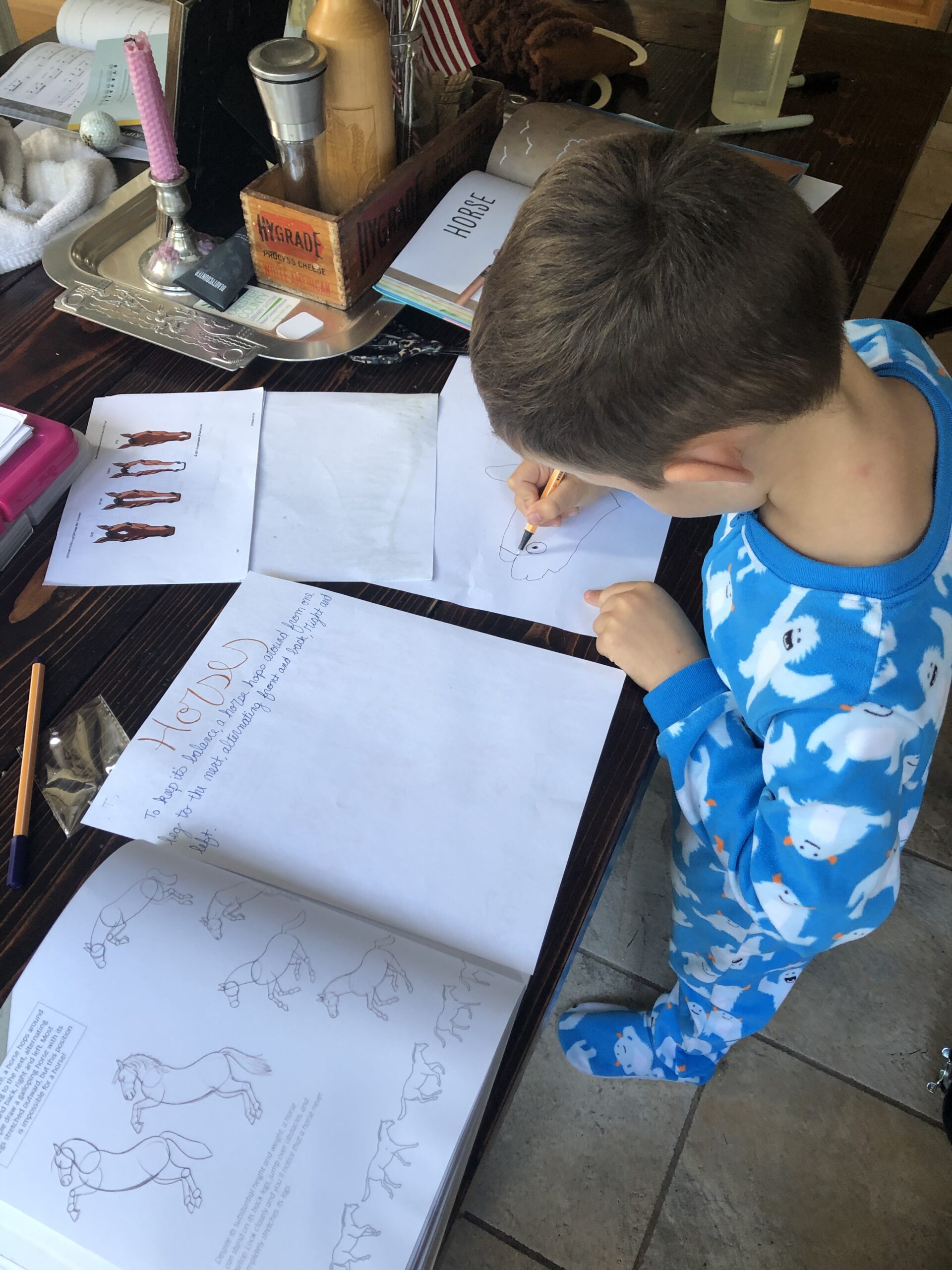
Parents often envision a serene, productive environment where everything flows smoothly. However, reality paints a picture filled with energetic exchanges, occasional frustrations, and the joyful chaos of children exploring their capabilities at their own pace. This dynamic atmosphere might be challenging, but it’s also where learning blossoms.
Consider the methods shared by Julie, emphasizing the value of personal thought in writing. In her experiences, writing is not solely about mastering mechanics like spelling and grammar, which often become the focal points in educational settings. Instead, it’s about preserving and valuing the thoughts within our children’s minds. The art of transcribing ideas helps to give permanence and importance to their unique perspectives.
Embracing Writing
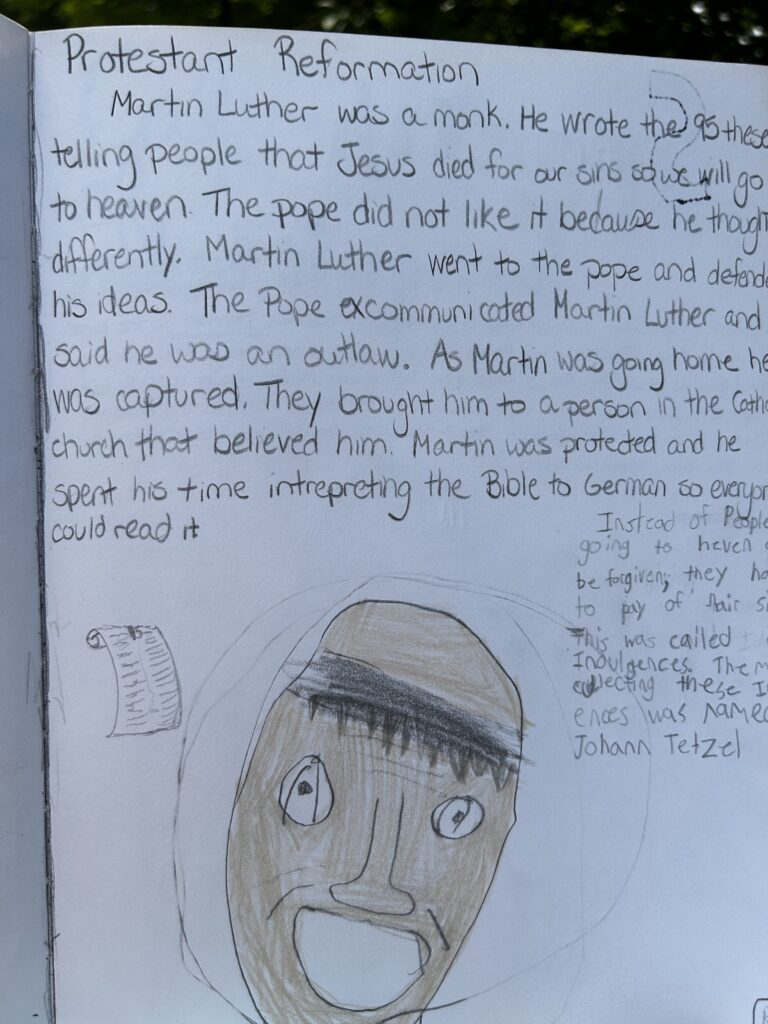
Just as with handicrafts, the emphasis should be on your child’s intrinsic ideas rather than external expectations. By encouraging them to jot down their thoughts—be it through dictation or talk-to-text tools—we can remove barriers to expression and instill a sense of ownership and pride in their writing. For example, Julie shared a heartwarming strategy called “Jot It Down,” where parents act as scribes for younger children, which can help bridge the gap between speech and written words.
Just like adapting the complexity of handicraft projects, we can tailor writing exercises to fit the needs and abilities of each child. Starting with simple exercises that place focus on their thoughts can gradually lead to more structured forms of writing as they grow more comfortable and confident. For children struggling with the physical act of writing, breaking the process into smaller, manageable parts—perhaps starting with dictation or by encouraging editing by hand—can prove to be beneficial.
The focus here is not on meeting set standards immediately, but on cultivating a safe space where children learn to express themselves freely and confidently. When they realize that their thoughts are valued and preserved through writing, they’re likely to develop a comfort and love for the process.
Encourage Reading As A Parallel Venture To Writing
Let their minds be enriched by words and tales of others, fostering a natural cadence and style that will eventually seep into their own writing. This habit not just fills their cognitive toolbox but also softens their apprehensions about writing as they witness language in vivid, engaging formats.
Ultimately, nurturing a child’s writing ability, much like guiding them through a new handicraft, requires patience, encouragement, and the belief that their ideas are worth capturing. By focusing not only on transcription skills but equally on the beautiful world housed in their thoughts, we prepare them not just for essays, but for a lifetime of expressing themselves with clarity and confidence.

OT is IN #56 Unlocking Writing Confidence in Children: The Role of Personal Expression
Julie, a prolific author and expert in writing education, shares her journey from growing up with an award-winning author as a mother, to navigating the world of professional writing and homeschooling. We dive into the unique ways professional writers teach writing, contrasting it with traditional school methods that focus heavily on mechanics over the creative content of children’s writing.
In this episode you’ll hear about:
- Writing Education and Methodology
- Differences between how school teachers and professional writers teach writing
- The emphasis on mechanics versus content in educational curriculums
- Professional writers’ strategies focusing on ideas and self-expression
- Julie’s observations on how these methodologies affect children and her personal anecdotes
- Practical Strategies for Writing
- Importance of jotting down children’s thoughts to bridge ideas and writing
- Role of parents in supporting children’s writing processes and ideas
- Affirming children’s thoughts through transcription and recorded memories
- Significance of engaging children in reading to develop writing skills
- Writing in the Context of Modern Technology
- Discussion on the use of AI and ChatGPT in writing
- Balancing technology with original thought
- Ethical considerations of AI written content versus personal expression
- Personal and Emotional Connection to Writing
- Writing as a dialogue with oneself
- Examples of practical journal use and value in preserving thoughts
- Emotional and creative benefits of recording significant memories
- Encouraging a Writing and Reading Habit
- Strategies to foster reading habits to improve writing
- Creating shared reading times without digital interruptions
- Understanding the difference between oral language and written language
- Practical Implementation and Advice
- Helping children struggling with writing through transcription methodologies
- Integration of speech-to-text tools for students with writing challenges
- Book Information and Resources
Links and Resources From Today’s Show
- Why Should I Seek Occupational Therapy?
- A Brave Writer’s Life in Brief Podcast
- How To Help Your Kid Become A Better Writer
- Narration: A Path To Thoughtful Learning
- Teaching Kids To Write Who “Hate Writing”- The Occuplaytional Therapist
- Episode 8: Beyond the Pencil: Exploring Vision’s Impact on Homeschool Handwriting Success
- Episode 23: Blending Sensory Integration and Fitness for Better Handwriting
- Episode 38: Practical Learning Tools from a Homeschool Graduate: Sensory Kits for Homeschool Success
- The Brave Writer Website
- The Brave Writer Blog
- Writing Blitz
- Julie Bogart Author Books
- Raising Critical Thinkers
- Connect With Sarah On Instagram
Connect with our Guest, Julie Bogart
Julie Bogart is known for her common sense writing, critical thinking and home education advice. Julie’s the creator of the award-winning, innovative online writing program called Brave Writer serving 191 countries and hundreds of thousands of families. Her highly anticipated new book, Help! My Kid Hates Writing, comes out in April 2025. Julie is also the author of the popular books The Brave Learner and Raising Critical Thinkers. Her Substack, podcast, and social media are wildly popular sources of support to weary, well-intentioned parents. Julie home educated her five children who are now adults and she has three grandchildren. Today, Julie lives in Cincinnati, Ohio.


