
Creating Calming Bedtime Routines to Foster Better Sleep
Sleep is one of the essential pillars of health, especially for our children. As parents, we often wonder how to help our little ones achieve the rest they need to thrive. Today, we’ll explore some tips and strategies shared by Karen, an experienced occupational therapist, to create effective bedtime routines that promote better sleep for your kids.
Imagine a household bustling with evening activities: homework being wrapped up, electronic devices humming, and dinner dishes clinking in the kitchen. Now, visualize transitioning this environment into a space conducive to restful sleep across different age groups.
The transition from activity to calm can feel like a Herculean task, but with four strategic steps, you can guide your children smoothly into their bedtime routine. Here’s how:
Step 1 Wind Down the House
Start by calming down the environment a couple of hours before bedtime. Dimming the lights and turning off screens can help signal to your child’s body that it’s time to relax.
Step 2 Use Deep Pressure Techniques
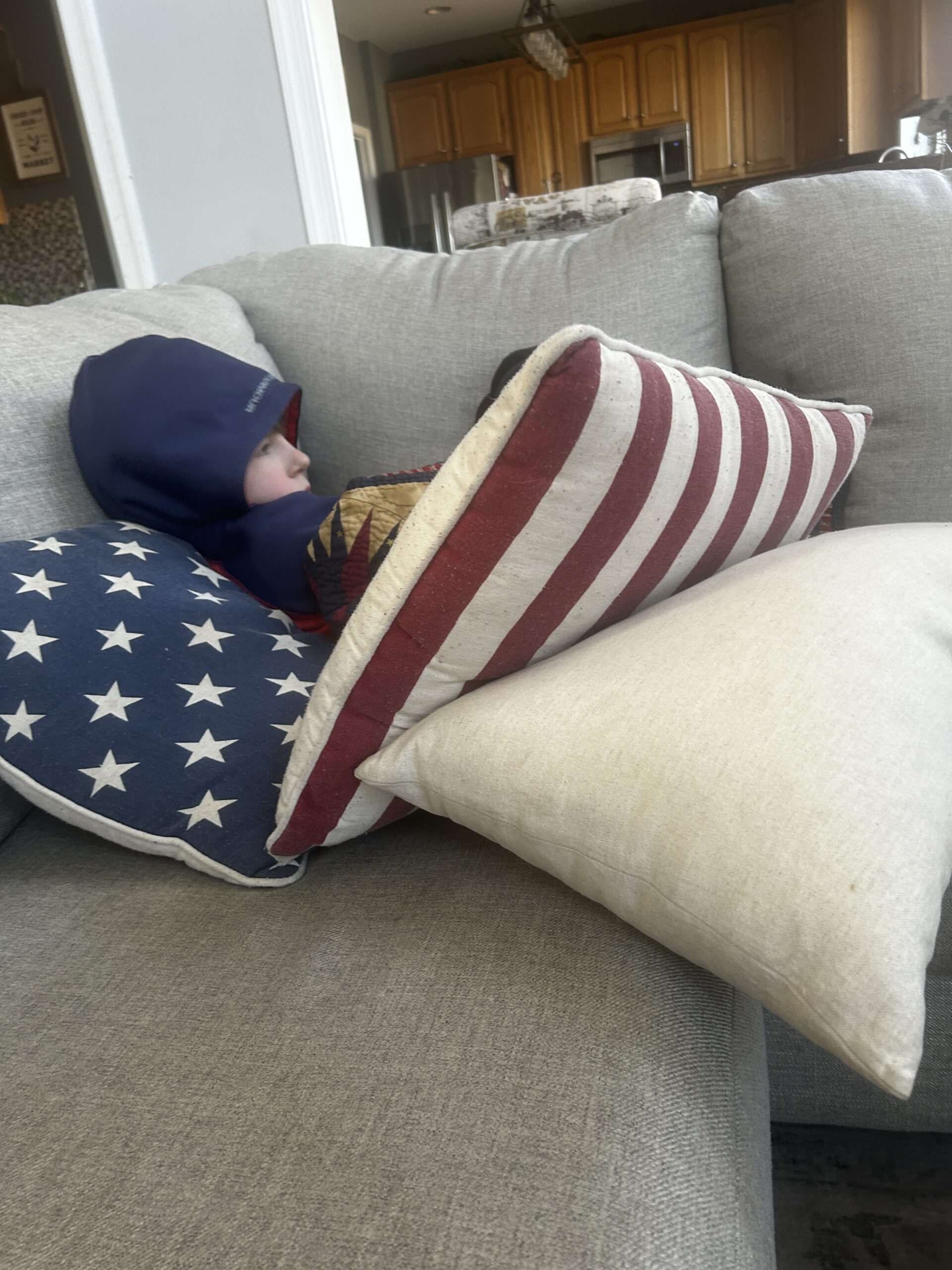
These techniques can be wonderfully soothing! Activities like animal walks, deep hugs, rocking, and using weighted blankets can help calm the nervous system. Remember, for children under five, it’s safer to avoid using weighted blankets overnight.
Step 3 Create Obstacle Courses
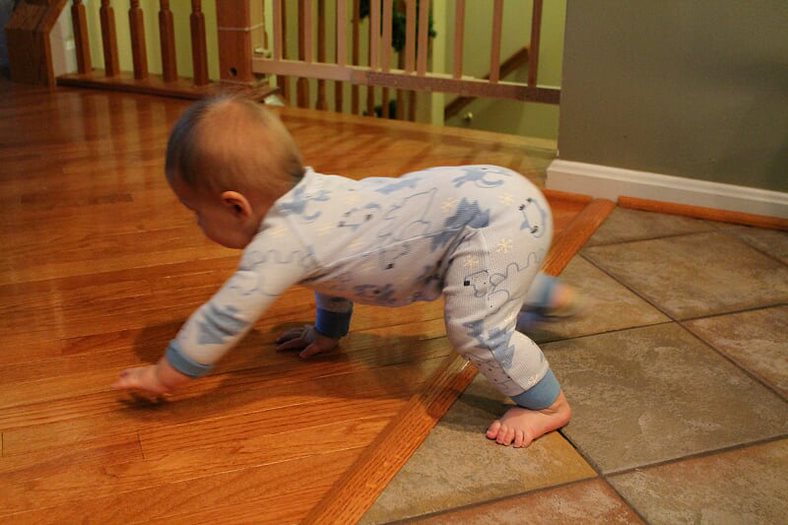
For sensory-seeking children, engage them in goal-oriented activities like obstacle courses that involve jumping, crawling, and crashing. These activities can help them regulate their energy levels before settling in for the night.
Step 4 Calm Pre-Bedtime Activities
Suggest activities that require less stimulation, such as reading a book together or listening to soft music. If your child enjoys stories, make storytime a cozy, quiet affair to ease their transition to sleep.
Every child is unique, and the influence of sensory sensitivities on sleep varies. Suppose your child struggles with initiating or maintaining sleep. In that case, it may be beneficial to evaluate their sleep environment and daily activity levels, especially considering exposure to screens which can disrupt circadian rhythms.
The Importance of Routine and Consistency
Consistency is key when establishing good sleep habits. A predictable routine signals to your child that bedtime is approaching. Even something as simple as maintaining a regular bedtime and wake-up time helps reinforce healthy sleep patterns.
It’s also crucial for parents to monitor the use of calming objects like weighted sleep sacks for babies, which are deemed unsafe by the American Academy of Pediatrics. Always prioritize sleep safety alongside routines.
Addressing Middle-of-the-Night Wakings
For children waking up in the middle of the night, consider factors like melatonin production and their overall sleep environment. Sometimes minor adjustments, such as a calming presence or ensuring optimal room temperature and minimal light, can help your child fall back asleep more easily.
Empowering Parents
By implementing these strategies, you will not only foster better sleep for your children but also create a peaceful bedtime environment that benefits the whole family. Let’s build these routines with intention and love, paving the way for healthier sleep and happier days.
Poor sleep can affect family dynamics significantly. If your child’s sleep patterns are impacting their day-to-day life, it’s essential to reach out for help. Some of the suggested places to look for support include The Sleep Foundation, pathways.org, and the book *The Rested Child* by Chris Winters.

OT is IN #18: Practical Sleep Solutions for Children: Insights from Occupational Therapy
In this episode, Karen will break down the concept of sleep pressure and its relevance across different age groups, from babies to school-age children. We’ll explore the critical relationship between physical activity, screen time, and sleep readiness. You’ll hear insightful tips on managing screen influence on sleep, touching on both metabolic processes and circadian rhythms.
Karen shares some incredible resources for parents, including key sites like the Sleep Foundation, pathways.org, and the must-read book “The Rested Child” by Chris Winters. You’ll also get to know about Karen’s journey from launching a cloth diaper business to returning to occupational therapy with a focus on infant and community-based sleep therapy—a path that perfectly complements her homeschooling endeavors.
We’ll discuss the importance of sleep for the entire family’s well-being, especially in neurodivergent children, and provide actionable strategies for parents, including sensory-sensitive routines and safe practices around the use of weighted sleep tools. Plus, Karen gives her top techniques for calming a child’s nervous system before bedtime and shares her favorite experiences in combining occupational therapy with homeschooling.
In this episode you’ll hear about:
- Sleep Pressure and Its Impact on Different Age Groups
- Physical Activity, Screen Time, and Sleep Drive
- Impact of Sedentary Behavior on Sleep
- Relationship Between Physical Activity and Sleep Readiness
- Influence of Screens on Sleep
- Metabolic Processes Affected by Screen Time
- Impact on Circadian Rhythms
- Karen’s Experience Applying Occupational Therapy in Homeschooling
- Collaborative Goal Identification
- Creative Application of Learning Goals through Activities
- Importance of Sleep as a Pillar of Occupation
- Effects of Poor Sleep on Family Dynamics
- Addressing Sleep Issues in Neurodivergent Children
- Age-Appropriate Sleep Patterns
- Occupational Therapy Techniques to Address Sensory Needs
- Techniques to Calm a Child’s Nervous System Before Bedtime
- Concern Over Weighted Sleep Sacks for Babies
- Activities to Regulate Sensory-Seeking Children Before Bedtime
- Strategies for Children Who Have Difficulty Staying Asleep
Links and Resources From Today’s Show
- Why Should I Seek Occupational Therapy?
- The Rested Child by Chris Winters
- Sleep Foundation
- Articles on Babies and Sleep from Pathways.org
- How Occupational Therapy Can Treat Children with Sleep Problems
- Children’s Best Bedroom Environment for Sleep manual
- Simple Sensory-Based Sleep Strategies from Sleep for Kids
Connect with our Guest, Karen Randall
With 24 years of experience, Karen combines her knowledge in Pediatric OT with a deep understanding of Sleep Science to support Neurodivergent and Neurotypical families to achieve healthy sleep patterns as a foundation for their meaningful participation in everyday life.
Using frameworks and learning from the areas of development, sensory processing, psychology, and mental health, with a focus on providing a neurodiversity-affirming approach to care, Karen provides OT services that meet the needs of both the child and the family as a whole.
At present, Karen works with ND school-aged children, infants, toddlers, and children to support sleep, and works in a NICU to provide developmental care, parent education, and feeding support. Outside of work, Karen is a mom to two teens who homeschooled for 7 years and enjoys spending time boating the coastal waters with her family.


Wow, can’t wait to listen. The idea of doing the crawling, jumping, and crashing to help regulate sensory seekers is so interesting!