A Homeschooler’s Guide to Sensory Processing & the 8 Sensory Systems
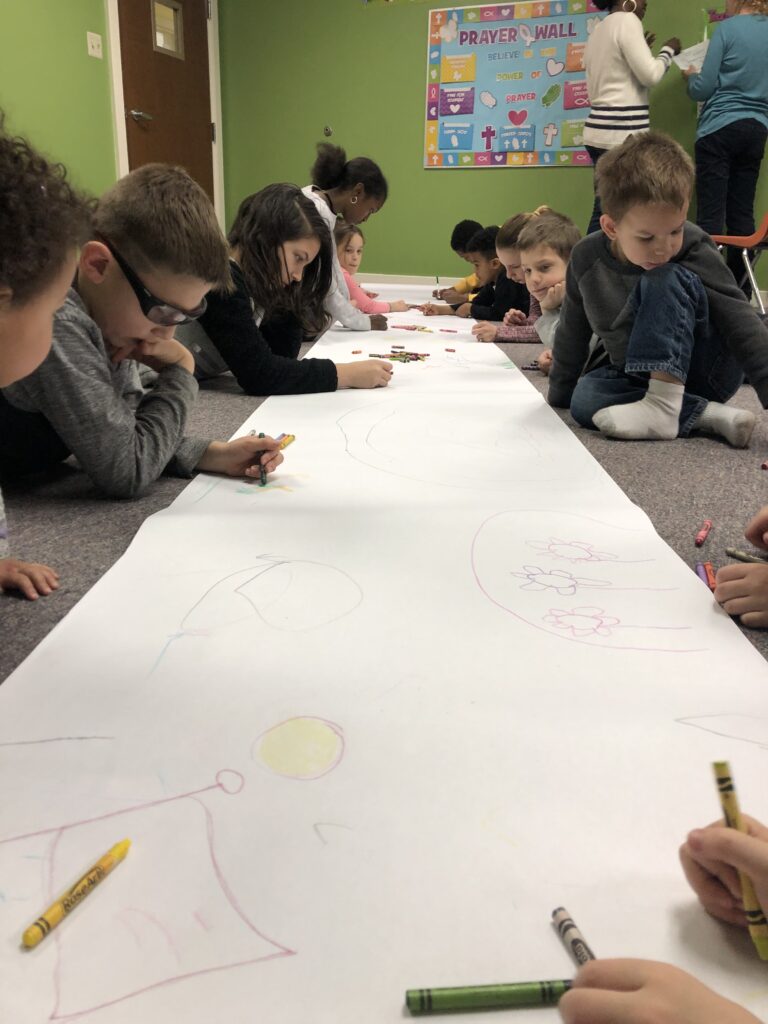
In our homeschool, we start with a morning time together. All three of our kids join me as we read through several short excerpts in books Charlotte Mason style. It’s all done while we make and eat breakfast. Why? Because of the sensory processing needs of my kids.
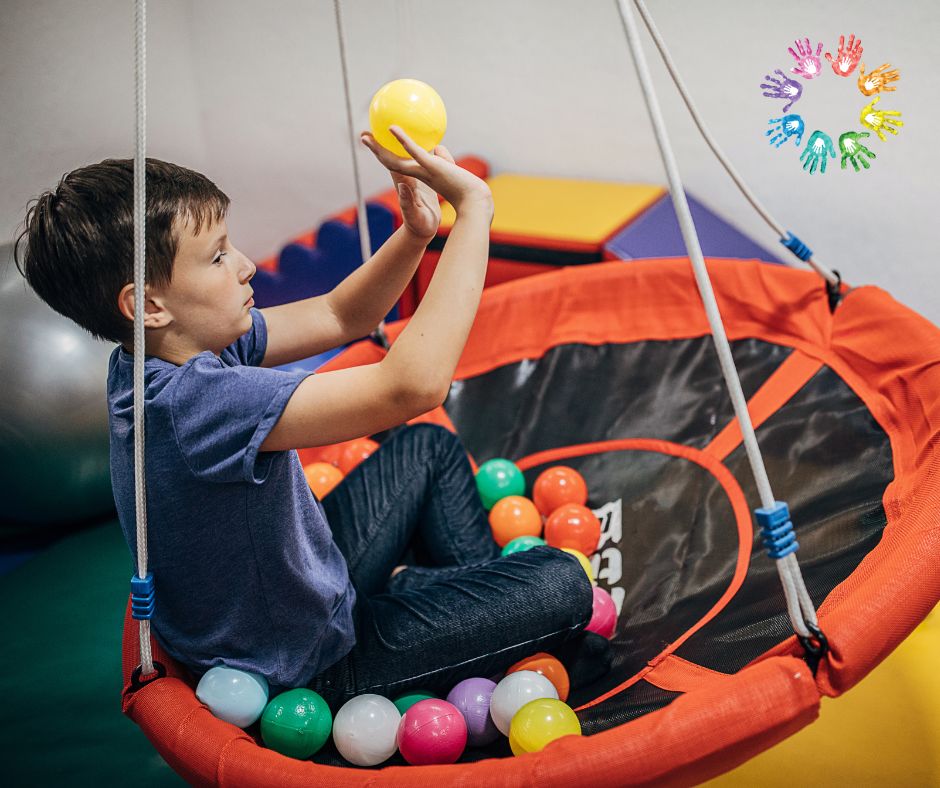
I have one child who needs to move to process information and one who is very bothered by her brother’s movements when they aren’t purposeful. He is a sensory seeker with movement yet she is a visual sensory avoider.
It is important to acknowledge and accept both of my children’s needs yet accommodating them has required some trial and error over the years. This is because every brain/ body connection is unique. Yes, there is a neurotypical norm but every single person has “sensory quirks”.
Have you ever wondered why some things just feel more intense or different for you compared to others or for your kids in comparison to each other? In the example of our morning time, both of my children process sensory information differently. Their brains and bodies work together to process the world around them. The key is that sensory processing systems are unique yet no one’s is more important than another. That balance can be difficult to manage in a homeschool.
The Brain-Body Connection
Picture this: your brain is like a supercomputer, constantly receiving and interpreting messages from your body. It’s in charge of making sense of everything you see, hear, smell, taste, touch, and even how you move. This process is called sensory processing.
But here’s the cool part: your brain doesn’t just rely on your five senses (sight, hearing, smell, taste, touch). Nope! It’s way more complex. There are actually **eight sensory systems** that work together to help you understand and interact with the world.
The 8 Sensory Systems
1. Visual (See)
Your visual sense helps you see colors, shapes, and everything around you. This system requires your eyes but also the occipital lobe of the brain to interpret what you are seeing (visual perceptual skills). Read more about this here.
2. Auditory (Hear)
The Auditory system lets you hear sounds, music, voices, and more. It includes the ear and the temporal lobe of the brain to interpret what you hear.
3. Olfactory (Smell)
Think about all the different scents you encounter—The Olfactory sense helps you smell and identify them. Smells are handled by the olfactory bulb but are quickly sent to the limbic system so are closely related to memory and emotion.
4. Gustatory (Taste)
Yum! Your taste buds are part of the gustatory system, letting you enjoy different flavors. The parietal lobe is involved in the interpretation of taste.
5. Tactile (Touch)
From soft blankets to rough sandpaper, your tactile system helps you feel textures and pressure. The parietal lobe of the brain processes the information so a person can identify objects.
6. Vestibular (Movement and Balance)
The vestibular system gives you information about where you are in space. Information is processed in the cerebellum so you stay steady and balanced. Read more about how the Vestibular and Proprioceptive systems work together.
7. Proprioceptive (Body Awareness)
The proprioceptive system helps you know where your body is in relationship to itself, like when you’re walking or jumping or how much force to use to lift an object. It is also interpreted in the cerebellum though is transmitted there from a different cranial nerve.
8. Interoception (Internal Body Signals)
The interoception system lets you feel things happening inside your body, like hunger, thirst, or being too hot or cold. It is then processed in the insula cortex deep in the brain. You can read more about this here
With the many parts of the brain, it’s easy to see why the sensory processing system is so complex.
How Sensory Processing Works
Imagine your brain as a busy traffic controller, managing information from these eight systems. Usually, it does a fantastic job of sorting and making sense of everything. But sometimes, it can get overwhelmed or misinterpret signals.
For example, if you’re sensitive to loud noises, your auditory system might react stronger than others when there’s a sudden sound. Or if you love spinning or swinging, your vestibular system might crave that movement more than others do.
Sensory Quirks!
Here’s the amazing thing about understanding sensory processing: it helps you recognize your unique quirks! Some people might be extra sensitive to certain sensations, while others might seek out more of that sensory input. And guess what? **As long as it isn’t interfering with what you need and want to do during the day, it’s totally normal!**
- Pen clicking
- Leg shaking
- Heavy shirt wearing
- Salty food craving
These are all examples of sensory processing quirks that help my body to stay alert and focused and do not interfere with daily activity.
Understanding your and your children’s sensory preferences can be helpful. It allows you to create environments and routines that make you feel comfortable, focused, and ready to learn—all important things for us homeschoolers!
So, the next time you’re feeling a bit overwhelmed by a sensation, remember: it’s just your amazing brain and body working together to process the world in your very own special way.
However, if these sensations cause tension between siblings, prevent participation in daily activities, or inhibit learning, these are signs to seek help from an occupational therapist. Reach out for a private consultation.
P.S. What’s your favorite sensation? Whether it’s the smell of fresh-baked cookies or the feeling of sand between your toes, share it with me!
Resources-
Delahooke, M. (2022). Brain-body parenting: How to stop managing behaviour and start raising joyful, Resilient Kids. SHELDON PRESS.
Gordon, W. G., & Anzalone, M. E. (2001). Sensory integration and self-regulation in infants and toddlers: Helping very young children interact with their environment. Zero to Three/National center for clinical infant programs.
Hanscom, A. J., & Louv, R. (2016). Balanced and barefoot: How unrestricted outdoor play makes for strong, confident, and capable children. New Harbinger Publications, Inc.